

Introduction
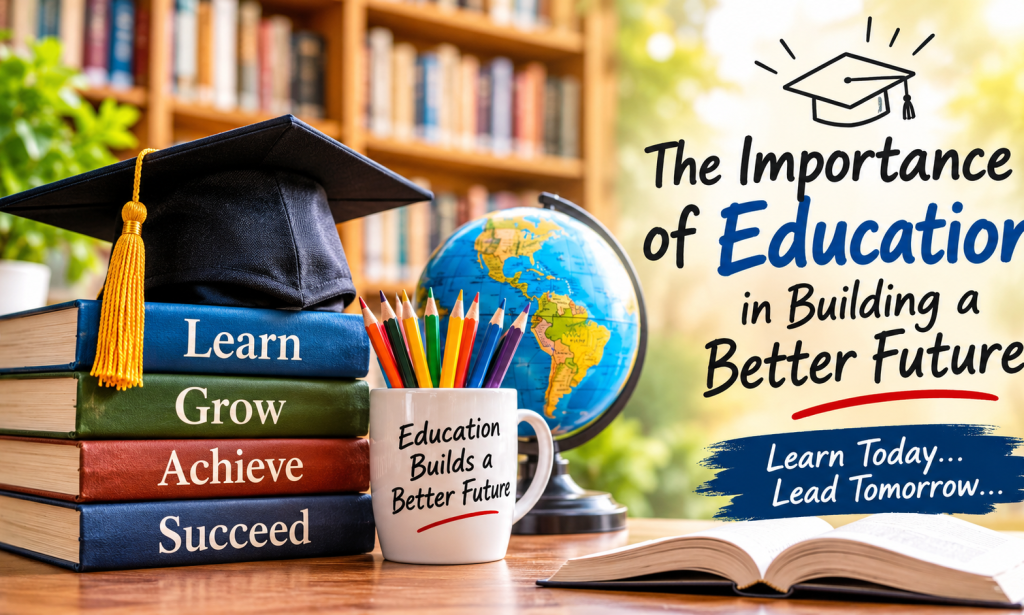
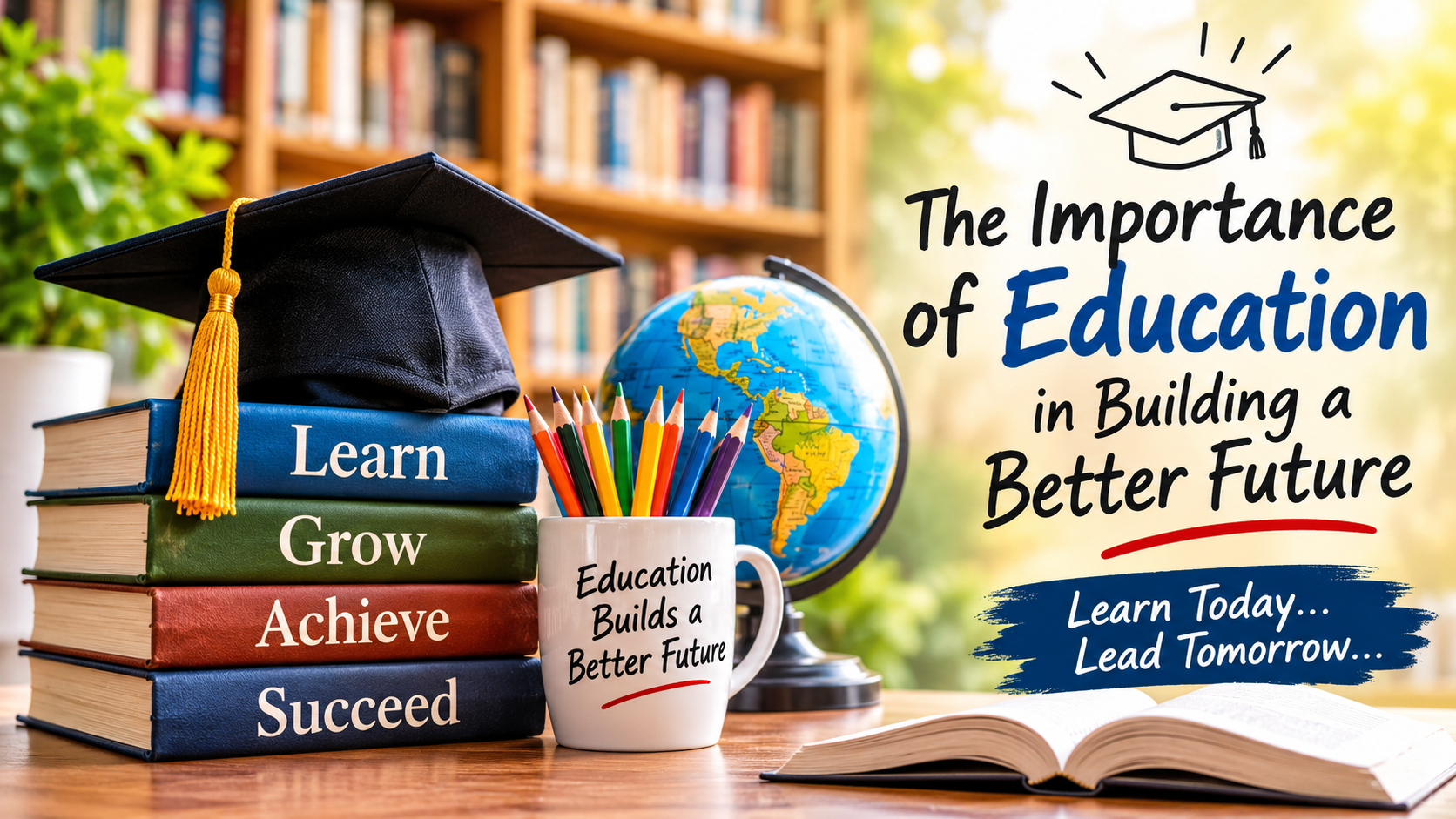
Education is one of the most important parts of human life. It plays a significant role in shaping individuals, developing societies, and creating a better future. Through education, people gain knowledge, develop useful skills, and learn how to understand the world around them. It helps individuals make informed decisions, solve problems, and face different challenges in life.
In today's rapidly changing world, education has become more important than ever. It provides opportunities for personal growth, professional development, and social improvement. Whether someone wants to become a doctor, teacher, engineer, business owner, or skilled professional, education can help them work towards their goals. It is not limited to schools and universities; learning is a lifelong process that continues throughout our lives.
1. Education Builds Knowledge and Understanding
One of the greatest benefits of education is that it increases our knowledge and understanding. It introduces us to different subjects, including science, mathematics, history, literature, technology, and social studies.
By studying these subjects, students learn about the world and understand how different things work. Education also encourages curiosity and motivates people to ask questions, explore new ideas, and discover useful information.
Knowledge helps individuals understand situations more clearly and make better choices. An educated person can use their understanding to solve everyday problems and contribute positively to society.
2. Education Creates Better Career Opportunities
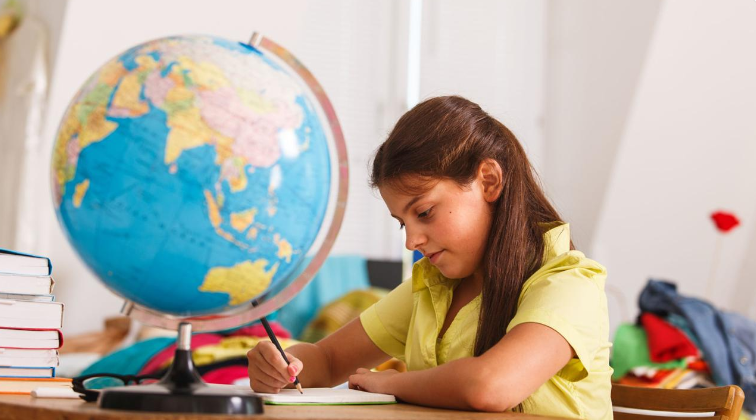
Education plays an important role in professional development. Many careers require specific qualifications, knowledge, and practical skills. Schools, colleges, universities, and training institutions help students prepare for different professions.
For example, students who want to become doctors need medical education, while those interested in engineering need to study relevant scientific and technical subjects.
Education also helps people develop communication, teamwork, and problem-solving skills. These abilities are valuable in almost every workplace.
However, education does not guarantee a successful career. Hard work, experience, dedication, and continuous learning are also important. When people combine education with practical skills, they can improve their chances of finding suitable career opportunities.
3. Education Develops Confidence and Communication Skills
Confidence is an important quality that helps people express their thoughts and interact with others. Education can help individuals become more confident by giving them opportunities to learn, participate in discussions, ask questions, and share their ideas.
Students who regularly take part in classroom activities can gradually improve their communication skills. They learn how to explain their opinions, listen to others, and present information clearly.
Learning languages, especially English, can also help students communicate with people from different backgrounds.
These skills are useful not only in academic life but also in professional and personal situations. Good communication can help individuals build positive relationships and work effectively with others.
4. Education Promotes Critical Thinking and Problem-Solving
Education is not simply about memorizing information or passing examinations. It should also teach students how to think independently and understand different situations.
Critical thinking allows people to examine information, compare ideas, identify problems, and reach reasonable conclusions.
For example, when students study science, they learn to observe things, ask questions, and understand evidence. Similarly, mathematics encourages logical thinking and problem-solving.
These abilities are useful in everyday life. People regularly make decisions about their studies, careers, finances, and relationships. Education can help them consider different possibilities before choosing a solution.
5. Education Helps Improve Society
Education is important not only for individuals but also for society as a whole. An educated population can contribute to social development, economic progress, and community improvement.
Teachers, doctors, engineers, scientists, and other professionals use their knowledge and skills to provide important services.
Education also helps people understand their responsibilities as citizens. It can encourage respect, cooperation, equality, and awareness of social issues.
When more people have access to quality education, communities can become better informed and more capable of addressing common challenges.
Therefore, investing in education is an important step towards building a stronger and more developed society.

6. The Role of Technology in Modern Education
Technology has changed the way people learn and access information. In the past, students mostly depended on textbooks, libraries, and classroom lessons. Today, computers, smartphones, educational websites, and online learning platforms provide additional learning opportunities.
Students can attend online classes, watch educational videos, read digital books, and learn new skills from different sources.
Technology also makes it easier for people to continue their education while managing other responsibilities.
However, students should use digital resources carefully. Not every website provides accurate information, so it is important to check sources and avoid distractions.
When used responsibly, technology can make education more accessible, flexible, and interesting.
7. Education and Personal Development
Education helps individuals develop qualities that are important for everyday life. It teaches discipline, patience, responsibility, time management, and respect for others.
Students learn to complete assignments, follow schedules, work with classmates, and manage different responsibilities.
Education also introduces people to different cultures, ideas, and perspectives. This can help them become more understanding and respectful towards others.
Personal development is not limited to academic achievements. It also includes emotional maturity, good decision-making, creativity, and the ability to learn from mistakes.
These qualities help people become responsible individuals and make positive contributions to their communities.
8. Challenges in Getting Quality Education
Although education is important, many people around the world still face difficulties in accessing quality learning opportunities.
Some students cannot afford school fees, books, transportation, or other educational expenses. Others live in areas where schools and trained teachers are limited.
In some communities, a lack of educational facilities and digital resources creates additional challenges.
Governments, educational institutions, families, and communities can work together to improve this situation. Providing affordable education, supporting teachers, improving schools, and expanding access to digital learning can make a meaningful difference.
Every child deserves an opportunity to learn, develop their abilities, and work towards a better future.
9. How Students Can Make the Most of Education
Students can benefit more from education by developing positive learning habits. They do not need to study for extremely long hours; instead, they should focus on understanding concepts and maintaining consistency.
Here are some useful suggestions:
Set clear academic and personal goals.
Create a realistic daily study schedule.
Read books and educational articles regularly.
Ask questions whenever something is unclear.
Practice communication and writing skills.
Use technology for productive learning.
Participate in classroom discussions.
Learn practical skills alongside academic subjects.
Review lessons regularly and learn from mistakes.
These habits can help students become more organized, independent, and confident learners.
Frequently Asked Questions (FAQs)
1. Why is education important in our lives?
Education is important because it develops knowledge, improves skills, builds confidence, and helps people make informed decisions.
2. Can education improve career opportunities?
Yes. Education can provide the qualifications and skills needed for many professions and help individuals prepare for different career paths.
3. Is education limited to schools and universities?
No. Education is a lifelong process. People can continue learning through books, online courses, practical experience, and everyday activities.
4. What is the role of technology in education?
Technology provides access to digital learning materials, online classes, educational videos, and useful resources that support learning.
5. How can students become better learners?
Students can improve their learning by setting goals, managing their time, practicing regularly, asking questions, and developing good study habits.
Conclusion
Education is a powerful tool that can transform individual lives and contribute to the development of society. It provides knowledge, builds confidence, improves communication, and creates opportunities for personal and professional growth.
In the modern world, education is not just a requirement for obtaining a degree or finding a job. It is an ongoing journey that helps people understand their responsibilities, develop useful skills, and make better decisions.
Every individual should have the opportunity to receive quality education and continue learning throughout life. Families, teachers, governments, and communities all have an important role in supporting this goal.
Ultimately, education is an investment in the future. By promoting learning and providing equal educational opportunities, we can help build a more knowledgeable, responsible, and successful society.






Comments 0
Sign in to join the conversation.
No comments yet. Be the first to say something.