


A robust immune system serves as your body’s frontline defense against infections, diseases, and harmful pathogens. While there is no instant solution to "boost" immunity overnight, adopting healthy lifestyle habits can significantly enhance immune function over time. By focusing on proper nutrition, sleep, exercise, stress management, and hygiene, you can create a solid foundation for a resilient immune system. This comprehensive guide explores the best strategies to support and strengthen your immunity naturally.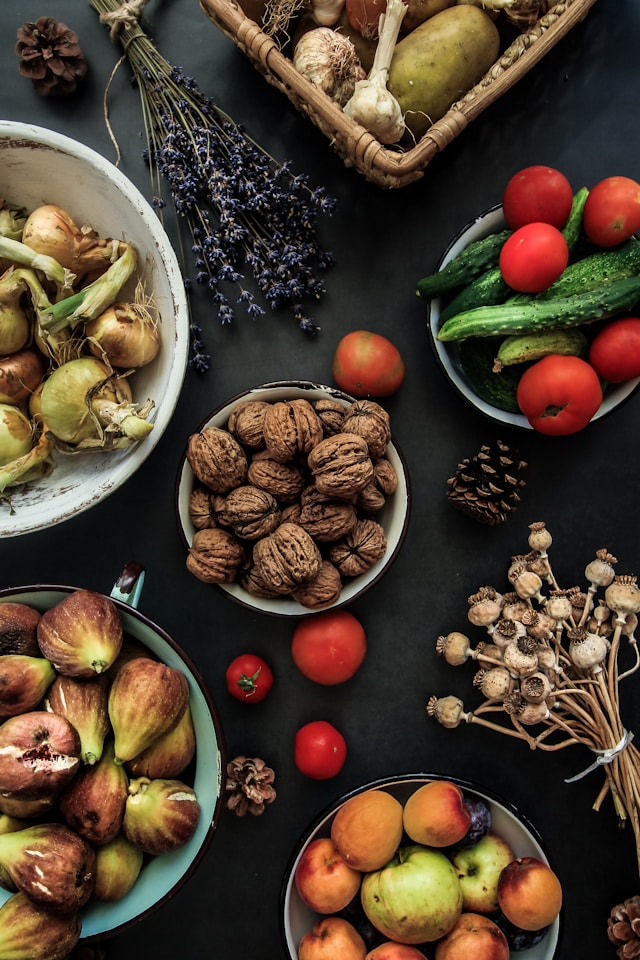
1. Nourish Your Body with a Balanced Diet
Fruits and Vegetables:
A diet rich in colorful fruits and vegetables provides essential vitamins, minerals, and antioxidants that support immune function. These nutrients help neutralize free radicals and promote overall health. Some of the best immune-boosting options include:
-
Citrus fruits (oranges, lemons, grapefruits) – High in vitamin C, which supports white blood cell production.
-
Berries (blueberries, strawberries, blackberries) – Packed with antioxidants that reduce inflammation.
-
Leafy greens (spinach, kale, Swiss chard) – Provide vitamins A, C, and K, as well as folate and fiber to promote gut health.
Lean Protein:
Protein is essential for building and repairing immune cells. Including a variety of protein sources in your diet ensures optimal immune function:
-
Chicken and turkey – Contain zinc and vitamin B6, essential for immune response.
-
Fish (salmon, tuna, mackerel) – High in omega-3 fatty acids, which have anti-inflammatory properties.
-
Beans, lentils, and chickpeas – Excellent plant-based protein sources with added fiber to support gut health.
-
Eggs – A great source of high-quality protein and vitamin D, which plays a crucial role in immunity.
Whole Grains:
Whole grains provide fiber, essential B vitamins, and other nutrients that help maintain a healthy gut microbiome, a key player in immune function. Some excellent choices include:
-
Oats – Rich in beta-glucans, which support immune response.
-
Brown rice – A nutrient-dense carbohydrate that provides steady energy and fiber.
-
Quinoa – Packed with protein and essential amino acids.
Healthy Fats:
Healthy fats, particularly omega-3 fatty acids, help reduce inflammation and support immune health. Sources include:
-
Fatty fish (salmon, sardines, trout)
-
Flaxseeds and chia seeds
-
Walnuts and almonds
-
Olive oil and avocados
Limit:
Avoid excessive processed foods, sugary drinks, and trans fats, as these can weaken the immune system by promoting inflammation and depleting essential nutrients.
2. Prioritize Adequate Sleep
Quality sleep is essential for immune health. During sleep, the body produces cytokines—proteins that help fight infection and inflammation. Lack of sleep can reduce these protective cytokines, increasing susceptibility to illnesses.
Tips for Better Sleep:
-
Aim for 7-9 hours per night for optimal immune function.
-
Establish a regular sleep schedule by going to bed and waking up at the same time daily.
-
Create a relaxing bedtime routine – limit screen time, read a book, or practice meditation.
-
Ensure a comfortable sleep environment – keep the bedroom cool, dark, and quiet.
3. Engage in Regular Physical Activity
Moderate exercise has been shown to enhance immune function by improving circulation, reducing stress, and promoting the movement of immune cells throughout the body.
Recommended Exercise Guidelines:
-
150 minutes of moderate-intensity exercise per week (e.g., brisk walking, cycling, swimming).
-
75 minutes of vigorous-intensity exercise per week (e.g., running, HIIT workouts).
-
Incorporate strength training at least twice a week to build muscle and improve metabolic health.
-
Engage in activities you enjoy to stay motivated and consistent.
Avoid excessive exercise, as overtraining can weaken the immune system and increase the risk of infections.
4. Manage Stress Levels
Chronic stress negatively impacts immune function by increasing the production of cortisol, a hormone that suppresses immune activity. Implementing stress-reducing techniques can help regulate this response.
Effective Stress-Relief Practices:
-
Meditation and mindfulness – Help reduce anxiety and improve overall well-being.
-
Yoga and tai chi – Enhance relaxation and improve circulation.
-
Spending time in nature – Lowers cortisol levels and promotes mental clarity.
-
Engaging in hobbies – Activities like reading, painting, or playing music provide relaxation and joy.

5. Stay Hydrated
Water plays a vital role in immune function by helping transport nutrients, flush out toxins, and maintain overall cellular health. Dehydration can weaken immunity and make the body more vulnerable to infections.
Hydration Tips:
-
Drink at least 8-10 glasses of water per day.
-
Increase water intake during exercise, hot weather, or illness.
-
Incorporate herbal teas and hydrating foods (cucumber, watermelon, oranges) into your diet.
6. Practice Good Hygiene
Basic hygiene practices help prevent the spread of infections and support immune health.
Key Hygiene Practices:
-
Wash hands frequently with soap and water for at least 20 seconds.
-
Avoid touching your face, especially eyes, nose, and mouth.
-
Keep surfaces clean by disinfecting high-touch areas regularly.
7. Consider Vaccinations
Vaccines are a crucial tool in strengthening the immune system against specific diseases by triggering the body’s natural immune response.
Stay Up-to-Date on Vaccinations:
-
Annual flu vaccine to protect against seasonal influenza.
-
COVID-19 vaccine and boosters as recommended by healthcare providers.
-
Tetanus, measles, hepatitis, and other routine vaccinations as per guidelines.
Consult your healthcare provider to ensure you are up-to-date on recommended vaccines based on age, health status, and lifestyle.
8. Support Gut Health
A significant portion of the immune system resides in the gut, making gut health crucial for overall immunity. Probiotics and prebiotics play a key role in maintaining a healthy balance of gut bacteria.
Foods for a Healthy Gut:
-
Probiotic-rich foods – Yogurt, kefir, kimchi, sauerkraut, miso, and kombucha.
-
Prebiotic foods – Bananas, garlic, onions, asparagus, and oats to feed beneficial gut bacteria.
-
Fiber-rich foods – Whole grains, legumes, fruits, and vegetables to support digestion.

9. Should You Take Supplements?
While a well-balanced diet should provide all necessary nutrients, certain supplements may help support immune function, especially if you have deficiencies.
Considerations:
-
Vitamin C – Supports immune cell function and reduces the duration of colds.
-
Vitamin D – Essential for immune response, particularly in people with low sun exposure.
-
Zinc – Helps fight infections and promotes wound healing.
-
Elderberry and echinacea – Herbal remedies that may support immune defense.
Always consult a healthcare professional before taking supplements, especially if you have underlying health conditions.

Conclusion
Strengthening your immune system requires a holistic approach, combining proper nutrition, restful sleep, regular exercise, stress management, hydration, and hygiene. By incorporating these habits into your lifestyle, you can enhance your immune function and overall well-being. Stay consistent, listen to your body, and prioritize your health every day!






Comments 0
Sign in to join the conversation.
No comments yet. Be the first to say something.