

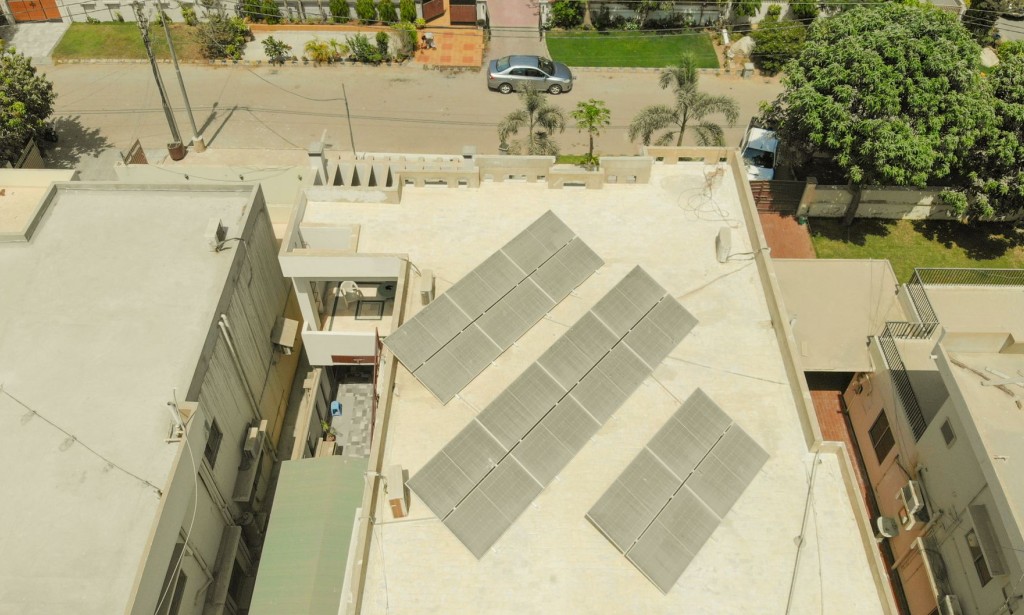
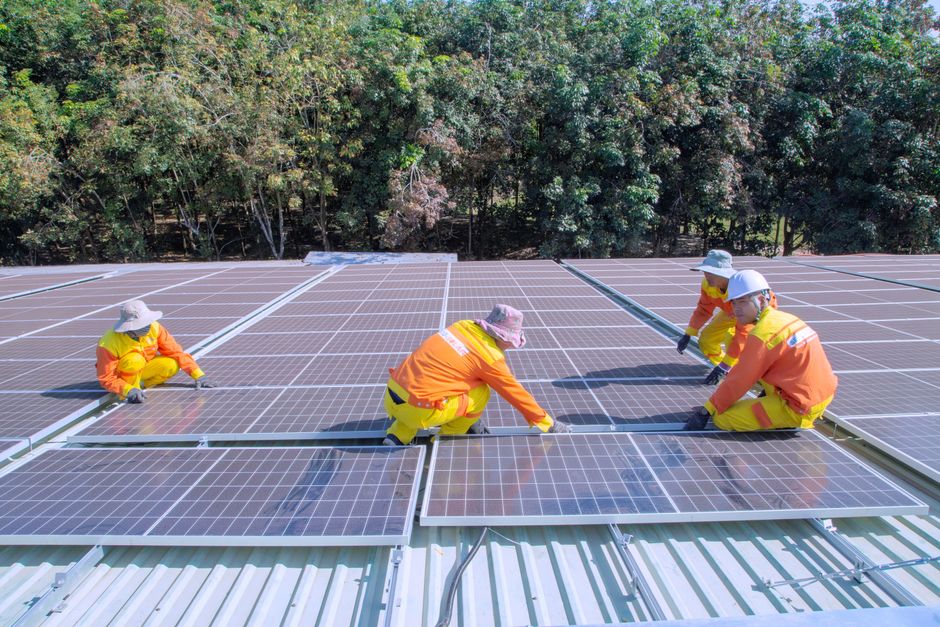
Solar panels have become an increasingly popular choice for homeowners looking to reduce electricity bills and embrace renewable energy. With advancing technology and decreasing costs, residential solar power is more accessible than ever.
Benefits of Home Solar Panels
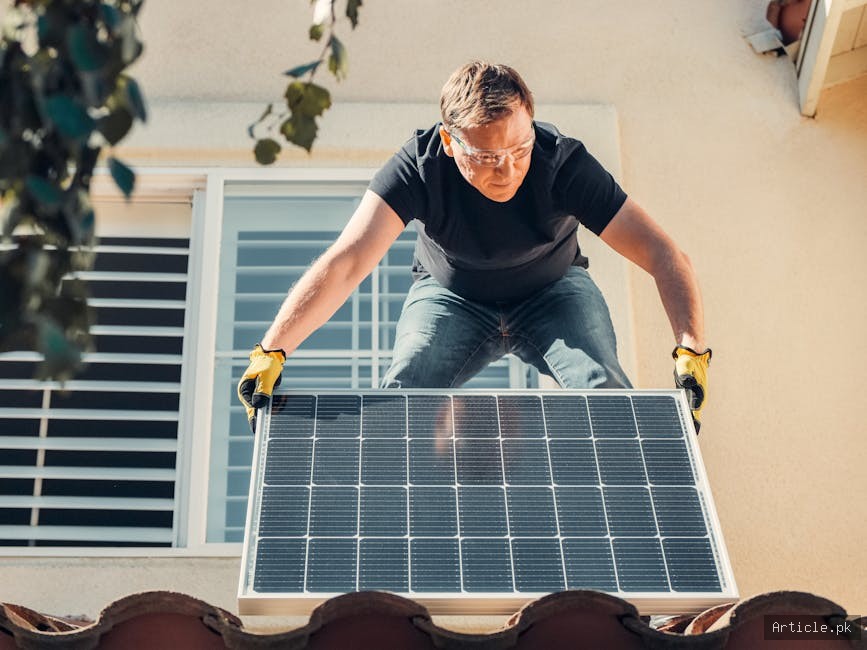
- Reduced Electricity Bills: Generate your own power and cut monthly costs by 50-100%
- Energy Independence: Less reliance on the grid and protection from rate increases
- Environmental Impact: Reduce carbon footprint and support clean energy
- Increased Home Value: Solar installations can boost property values by 4-6%
- Government Incentives: Tax credits and rebates can offset 30% or more of costs
Types of Solar Panels for Residential Use
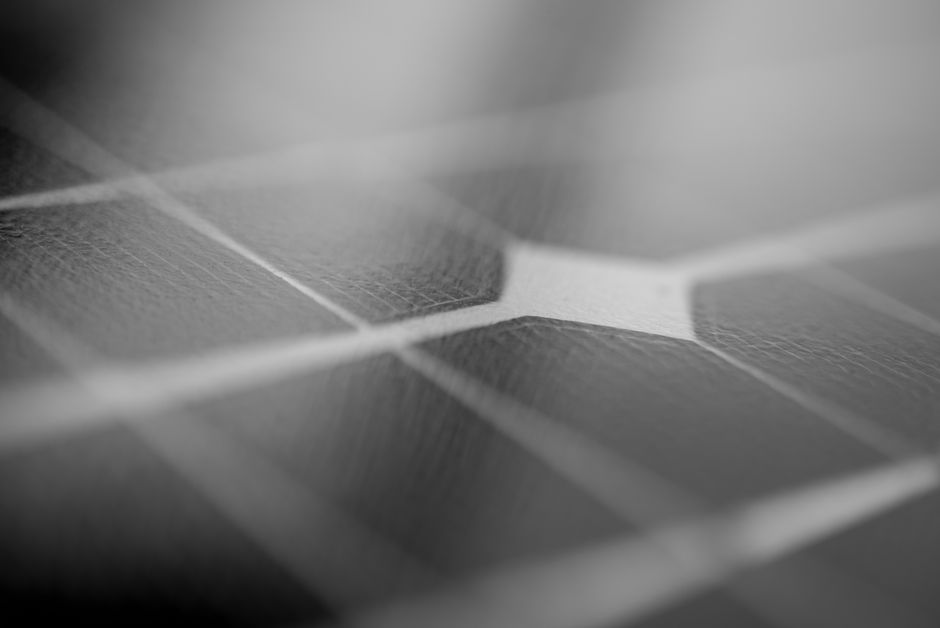
Monocrystalline Panels
Made from single-crystal silicon, these are the most efficient panels (20-22% efficiency). They perform well in limited space but cost more upfront.
Polycrystalline Panels
Made from multiple silicon crystals, offering good efficiency (15-17%) at a lower price point. Ideal for homeowners with adequate roof space.
Thin-Film Panels
Flexible and lightweight, suitable for unconventional installations. Lower efficiency (10-13%) but more affordable.
How Many Solar Panels Do You Need?
The number of panels depends on several factors:
- Energy Consumption: Check your monthly kWh usage from electricity bills
- Panel Wattage: Typical panels range from 300-400 watts
- Sunlight Hours: Your location's peak sun hours affect production
- Roof Space: Available area for installation
Average home needs 20-25 panels for complete energy offset.
Solar Panel Installation Process
- Site Assessment: Professional evaluation of roof condition and sun exposure
- System Design: Custom layout for optimal energy production
- Permits: Obtaining necessary building and electrical permits
- Installation: Mounting panels, inverters, and electrical connections
- Inspection: Local authority verification of installation
- Grid Connection: Final hookup and meter installation
Cost of Solar Panels in 2026
- Average System Cost: $15,000 - $25,000 before incentives
- Cost per Watt: $2.50 - $3.50 installed
- Federal Tax Credit: 30% of installation costs
- Payback Period: 6-10 years depending on location
Choosing a Solar Installer
- Get multiple quotes (at least 3)
- Check certifications and reviews
- Compare warranties (25 years is standard)
- Understand financing options
- Ask about monitoring systems
Maintenance and Long-Term Performance
Solar panels require minimal maintenance compared to traditional energy systems. Most quality panels come with 25-30 year performance warranties, guaranteeing at least 80% efficiency after that period. Regular maintenance typically involves cleaning the panels 2-4 times per year to remove dust, leaves, and debris that can reduce efficiency by 15-25%. In areas with regular rainfall, natural cleaning often suffices.
The inverter, which converts DC electricity from panels to AC electricity for home use, is the component most likely to need replacement. Modern string inverters last 10-15 years, while microinverters can last 25+ years. Most manufacturers include 10-year warranties on inverters, with extended coverage available for an additional cost.
Monitoring systems allow you to track real-time energy production and identify any performance issues immediately. Smart monitoring alerts you if panels underperform, helping you address problems quickly and maintain optimal efficiency. Many installers include monitoring systems with complete packages, while standalone options are available for older installations.
Environmental and Economic Impact
A typical residential solar system produces about 6-8 tons of electricity annually, equivalent to planting 100+ trees each year. Over a 25-year lifespan, a single home solar system prevents approximately 150-200 tons of carbon dioxide from entering the atmosphere. This environmental benefit has become increasingly important as climate concerns drive more homeowners toward renewable energy solutions.
Beyond environmental benefits, solar panels provide tangible economic advantages. The average homeowner saves $10,000-$30,000 over the system's lifetime, depending on location, electricity rates, and system size. In areas with net metering, excess power generated during peak sun hours flows back to the grid, often earning credits that offset consumption during cloudy periods or nighttime usage.
Additionally, solar installations increase home resale value. Studies show homes with solar panels sell faster and at higher prices than comparable homes without them. This added equity, combined with energy savings, makes solar a attractive investment for long-term homeowners.
Financing Options for Solar Installation
Multiple financing approaches make solar accessible to different homeowner situations:
- Cash Purchase: Highest upfront cost but maximum long-term savings and no interest payments
- Solar Loans: Spread costs over 5-10 years with fixed rates, similar to auto loans
- Home Equity Line of Credit (HELOC): Lower interest rates for homeowners with established equity
- Lease or Power Purchase Agreement (PPA): No upfront cost; pay monthly for generated power
- Savings Programs: Federal, state, and local rebates can reduce costs by 30-50%
Frequently Asked Questions
How long does a solar panel system installation take?
The installation process typically takes 1-3 days for physical installation, but the entire project from consultation to grid connection usually spans 3-6 months. The timeline includes site assessment, permit approval, equipment ordering, installation, inspection, and final grid connection. Complex installations on difficult roof angles or systems requiring battery storage may take longer.
Do solar panels work during cloudy days and winter?
Yes, solar panels continue producing electricity during cloudy days and winter, though at reduced efficiency. Panels generate about 25% of their peak output on heavily overcast days and 40-50% during winter months. This reduced winter production is factored into system sizing calculations, ensuring homes still meet annual energy needs even during low-production seasons.
What happens to solar panels during heavy storms or extreme weather?
Solar panels are extremely durable, designed to withstand winds up to 140 mph, heavy snow loads, and hail. The glass and aluminum construction provides excellent protection against weather damage. If damage occurs, comprehensive homeowner's insurance typically covers solar installations. Inverters and electrical connections are housed in weatherproof enclosures, providing additional protection against the elements.
Can I add batteries to my solar system later?
Yes, most solar systems can accommodate battery storage additions in the future. Installers typically design systems with this possibility in mind. However, upgrading to a hybrid system with battery storage requires additional investment ($5,000-$15,000 for battery units and installation). Planning for future storage during initial installation can reduce upgrade costs and complexity.
What happens when I move to a new home?
In most cases, solar panels transfer with the home if you sell. The new owner becomes responsible for the system, and any remaining loan or lease agreements are transferred as well. If removing panels is necessary, the process costs $1,000-$5,000 depending on system size and complexity. However, leaving panels benefits the sale, as most buyers view solar as a significant asset rather than a liability.
Conclusion
Solar panels for home use represent a smart investment in energy independence and environmental sustainability. With current incentives and technology improvements, there's never been a better time to go solar. Whether you're motivated by rising electricity costs, environmental concerns, or long-term financial savings, residential solar provides a proven solution. The combination of lower installation costs, improved efficiency, and generous federal tax credits makes solar panels an increasingly attractive option for homeowners across all regions. Start by getting multiple quotes from certified installers and carefully evaluating your specific situation to determine if solar is right for your home.






Comments 0
Sign in to join the conversation.
No comments yet. Be the first to say something.