

Social Media Addiction: The Dangerous Effects on Society
In today’s hyper-connected world, social media platforms such as Facebook, Instagram, Twitter, and TikTok have become an integral part of daily life. While these platforms offer convenience, entertainment, and communication, they also present growing concerns regarding addiction and the negative consequences it has on individuals and society as a whole. The constant need to check notifications, scroll through endless content, and seek external validation can lead to harmful effects on mental health, personal relationships, and even broader societal well-being. This article aims to explore the dangers of social media addiction and why we must address this issue before it further erodes the fabric of human connections.
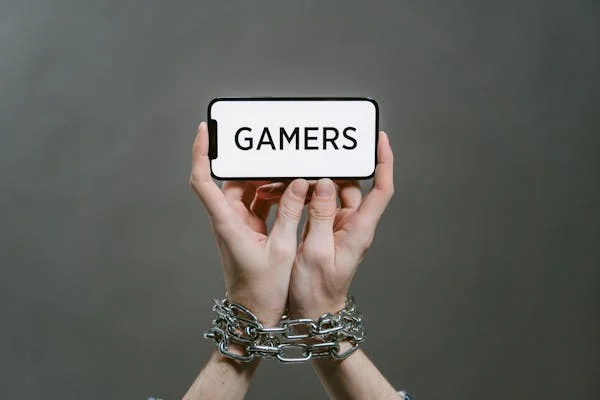
The Rise of Social Media Addiction
Social media addiction refers to an excessive, compulsive use of social media platforms that interferes with daily life and well-being. Over the past decade, social media usage has skyrocketed, with billions of users worldwide. According to Statista, in 2021, approximately 4.2 billion people were using social media, a number that is expected to grow annually. The easy access to these platforms via smartphones and other devices has made them even more ingrained in our lives.
The rise of social media has brought about numerous advantages, such as facilitating communication, providing access to information, and helping people connect across geographical boundaries. However, the addictive nature of social media can have detrimental effects. People, especially younger generations, are increasingly finding themselves spending hours each day on these platforms, scrolling through feeds, posting content, and seeking validation through likes and comments.

The Psychological Effects of Social Media Addiction
Social media addiction can significantly impact an individual’s mental health. The constant barrage of content, notifications, and comparison to others can lead to feelings of anxiety, depression, and low self-esteem.
1. Increased Anxiety and Stress
One of the most concerning psychological effects of social media addiction is the increase in anxiety and stress. Social media platforms are designed to provide constant stimulation, with notifications and updates that demand immediate attention. This creates a sense of urgency and anxiety, making individuals feel as though they are constantly “on call.” The pressure to respond to messages, post regularly, and remain engaged can lead to heightened stress levels.
Moreover, social media often exposes individuals to negative news, cyberbullying, and online harassment, which can contribute to increased feelings of anxiety and unease. The constant fear of missing out (FOMO) and the desire to keep up with others can also exacerbate stress levels.
2. Depression and Low Self-Esteem
The culture of comparison on social media has also been linked to depression and low self-esteem. Platforms like Instagram, where people share curated images of their lives, often lead to unrealistic standards of beauty, success, and happiness. As people compare their real lives to the idealized versions they see online, they can begin to feel inadequate or unworthy.
This phenomenon has been particularly evident among teenagers and young adults, who are more vulnerable to the pressures of social media. Studies have shown that excessive social media use is correlated with an increase in depressive symptoms and a decrease in overall life satisfaction. The pursuit of validation through likes, comments, and followers further reinforces this cycle, leading individuals to place their self-worth on external approval.
3. Addiction and Dopamine Release
Social media addiction operates on a psychological principle known as the “dopamine loop.” Dopamine is a neurotransmitter that plays a major role in pleasure and reward. Each time users receive a notification, like, or comment, their brain releases a small amount of dopamine, creating feelings of pleasure and reinforcing the desire to keep engaging with the platform.
This cycle of instant gratification can lead to dependency, where individuals find themselves addicted to the need for constant validation and stimulation. This dopamine-driven addiction can make it difficult to disengage from social media, even when it begins to take a toll on their well-being.

Impact on Relationships and Social Skills
Social media addiction not only harms individuals’ mental health but also has a profound impact on real-life relationships. As people become more absorbed in the virtual world, they often neglect in-person connections with family, friends, and colleagues. This can result in weakened relationships and a sense of isolation.
1. Reduced Face-to-Face Interaction
With the rise of social media and digital communication, face-to-face interactions have decreased significantly. While social media allows people to stay connected, it does not offer the same depth of connection as in-person communication. The lack of non-verbal cues, such as body language and facial expressions, makes it harder to build meaningful relationships online.
Over time, the preference for online communication can lead to social isolation and loneliness. Many individuals, especially younger generations, may struggle with building strong, healthy relationships in the real world because they are spending more time on social media than engaging in face-to-face conversations.
2. Strained Relationships
Social media addiction can also strain personal relationships. Couples, friends, and families may experience tension when one person becomes too absorbed in their online presence, neglecting their real-life connections. Issues like jealousy, insecurity, and miscommunication can arise from interactions on social media platforms, causing friction in relationships.
For example, constant online interactions or sharing private moments can lead to privacy concerns, while the use of social media to compare relationships or lifestyles can breed dissatisfaction. As people spend more time online, they may start to prioritize virtual interactions over physical ones, weakening their real-world relationships.

Societal Impact: A Disconnected World
Social media addiction is not only harmful on an individual level but also poses a threat to society as a whole. As people spend more time online, they may become disconnected from their communities and the real world.
1. Spread of Misinformation
One of the most significant societal dangers of social media addiction is the spread of misinformation. Social media platforms can amplify false or misleading information at an alarming rate, which can lead to widespread confusion and distrust. The addictive nature of these platforms often means that users are exposed to sensationalized headlines and conspiracy theories, which they may believe without questioning.
The consequences of misinformation are far-reaching, from political polarization to public health crises. The spread of fake news can lead to confusion, divisiveness, and a lack of accountability, which negatively impacts society as a whole.
2. Erosion of Privacy
Another societal concern is the erosion of privacy. Social media platforms encourage users to share personal details, photos, and opinions publicly. Over time, this data can be harvested and used for targeted advertisements, or worse, it can be exploited for malicious purposes. People often underestimate the long-term consequences of oversharing online, from identity theft to compromised personal safety.
The obsession with online validation also leads to the normalization of privacy invasions. People feel compelled to share intimate aspects of their lives with a virtual audience, often at the expense of their own privacy and security.

Addressing Social Media Addiction
While social media addiction poses serious challenges, there are steps that individuals and society can take to address this issue:
- Digital Detox: Taking regular breaks from social media or engaging in a digital detox can help individuals regain balance and focus on real-life interactions.
- Setting Boundaries: Limiting screen time and establishing boundaries for when and how social media is used can reduce the risk of addiction.
- Promoting Media Literacy: Educating users about the potential dangers of social media, as well as how to recognize misinformation and protect their privacy, can mitigate the negative effects of these platforms.
- Encouraging In-Person Connections: Engaging in face-to-face communication and spending time offline can help rebuild social skills and strengthen real-life relationships.

Conclusion
Social media addiction is a growing problem that affects not only individuals but also society as a whole. The psychological, relational, and societal consequences of excessive social media use are profound and far-reaching. By fostering awareness, promoting healthier digital habits, and encouraging in-person connections, we can begin to address this modern addiction and mitigate its harmful effects. Social media can be a powerful tool for connection, but it must be used responsibly and mindfully to protect our mental health, relationships, and society at large.

You must be logged in to post a comment.