

The Surprising Health Consequences of Sitting Too Much… Even if You Exercise
Introduction
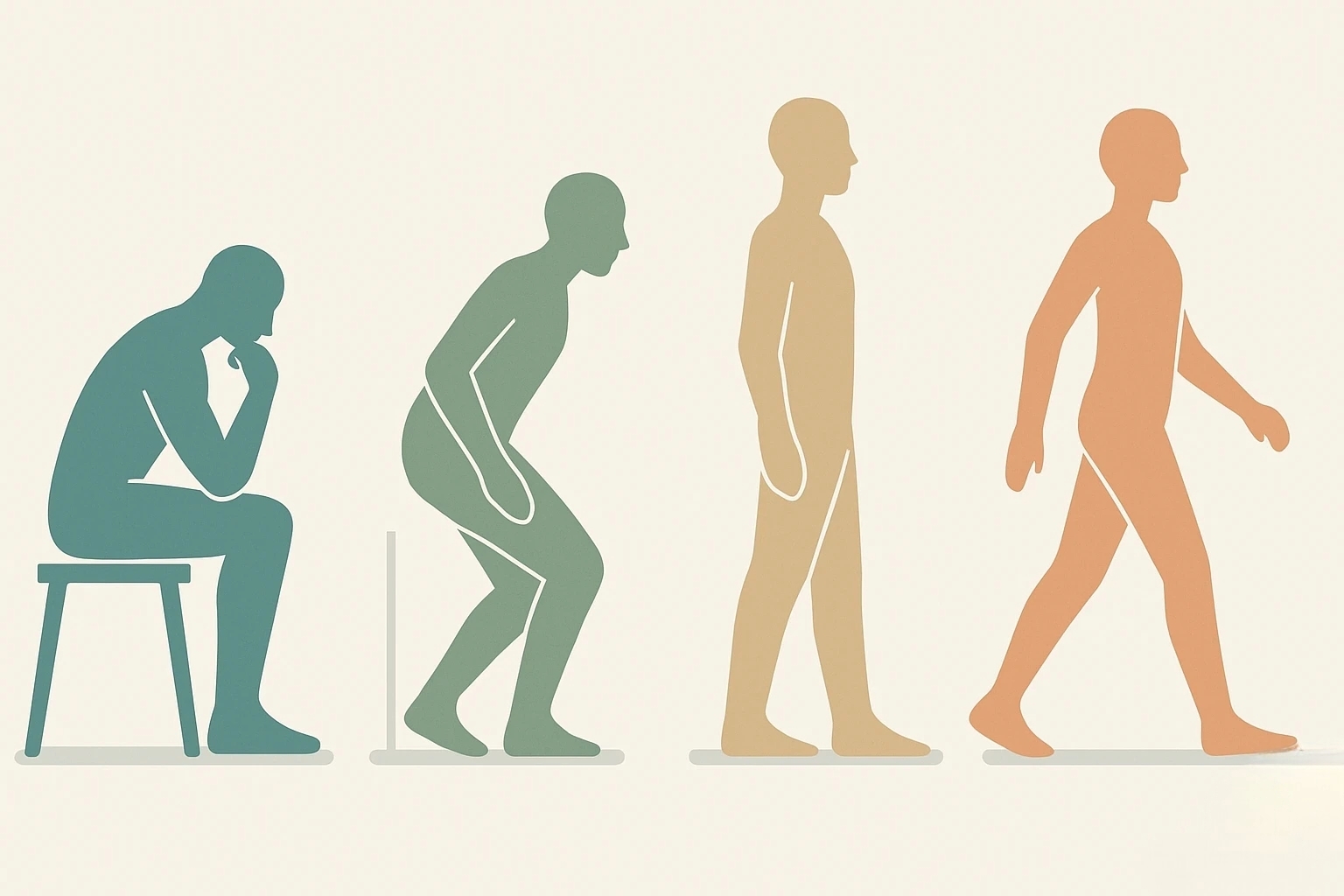
You hit the gym. You close your fitness rings. You crush your step goals.
So why does your body still feel stiff, tired, or achy at the end of the day?
Here’s the uncomfortable truth: sitting too much can damage your health — even if you exercise regularly.
Modern life keeps us glued to chairs. Office jobs, long commutes, streaming marathons, and scrolling sessions mean many people sit 8–12 hours per day. Research shows that prolonged sitting is linked to heart disease, diabetes, obesity, chronic pain, mental health issues, and even early death — independent of how often you work out.
This article breaks down:
Why sitting is uniquely harmful
How “active couch potatoes” still face health risks
The hidden consequences of prolonged sitting
Real science-backed ways to reduce sitting damage
Practical strategies you can use today
Let’s stand up to the chair trap 🪑
Why Sitting Is More Dangerous Than You Think
Sitting Is a Unique Health Risk (Not Just “Lack of Exercise”)
Many people assume sitting is harmless because they exercise daily. But sedentary behavior is its own risk factor — separate from not working out.
When you sit for long periods:
Muscle activity drops sharply
Calorie burning slows down
Blood flow becomes sluggish
Enzymes that break down fats switch off
Insulin sensitivity decreases
Even elite athletes who sit for long hours outside training show negative metabolic changes.
The “Active Couch Potato” Problem
You can be both:
Physically active (gym, running, sports)
Chronically sedentary (sitting all day at work and at home)
This combo is sometimes called the “active couch potato” effect.
You might:
Train for 60 minutes
Sit for 10+ hours
Undo many of the metabolic benefits of your workout
Exercise helps — but it doesn’t fully cancel out prolonged sitting.
The Hidden Health Consequences of Sitting Too Much
Increased Risk of Heart Disease and Stroke
Long sitting time is strongly linked to cardiovascular disease.
What happens in your body when you sit too long:
Blood pools in the legs
Blood pressure rises
Arteries become less flexible
Fat-processing enzymes shut down
Inflammation increases
Over time, this raises the risk of:
Heart attacks
Stroke
High blood pressure
Atherosclerosis
Even people who meet exercise guidelines still show higher cardiovascular risk if they sit for most of the day.
Higher Risk of Type 2 Diabetes
Sitting reduces muscle contractions, which are crucial for regulating blood sugar.
When muscles stay inactive:
Glucose is cleared from the blood more slowly
Insulin sensitivity drops
Blood sugar spikes become more frequent
This creates a pathway toward:
Insulin resistance
Prediabetes
Type 2 diabetes
Short movement breaks throughout the day significantly improve blood sugar control — sometimes more than one long workout.
Weight Gain and Slower Metabolism
Sitting quietly burns very few calories.
Compared to standing or light movement:
Sitting burns 30–50% fewer calories
Fat-burning enzymes decrease
Metabolic rate slows
Fat storage increases
Over months and years, this can lead to:
Gradual weight gain
Increased belly fat
Difficulty losing weight even with exercise
Your body adapts to long sitting by becoming efficient at storing energy.
Back Pain, Neck Pain, and Poor Posture
Your spine was built to move — not to fold into a chair for hours.
Common musculoskeletal issues from sitting:
Tight hip flexors
Weak glutes
Rounded shoulders
Forward head posture
Lower back pain
Neck stiffness
Shoulder tension
Poor posture increases pressure on spinal discs and compresses nerves, which can lead to chronic pain.
Reduced Muscle Mass and Strength
When muscles aren’t used, they shrink.
Prolonged sitting contributes to:
Glute muscle deactivation
Thigh muscle weakening
Reduced leg strength
Faster age-related muscle loss (sarcopenia)
This affects:
Balance
Mobility
Athletic performance
Injury risk
Even daily workouts don’t fully counteract hours of muscular inactivity.
Increased Risk of Early Death
Multiple long-term studies link excessive sitting with higher mortality risk.
People who sit the most tend to have:
Higher all-cause mortality
Higher cancer-related death risk
Higher cardiovascular death risk
This relationship persists even after accounting for exercise levels.
In other words:
You can work out and still shorten your lifespan if you sit too much.
Sobering — but fixable.
Mental Health Effects of Too Much Sitting
Increased Anxiety and Depression
Sedentary behavior isn’t just bad for the body — it affects the brain too.
Prolonged sitting is associated with:
Higher rates of depression
Increased anxiety
Lower mood
Mental fatigue
Why sitting affects mental health:
Reduced blood flow to the brain
Less exposure to daylight
Fewer movement-based endorphins
Increased screen time
Social isolation (especially remote work)
Even light movement boosts mood-regulating chemicals like dopamine and serotonin.
Brain Fog and Reduced Focus
Long sitting sessions reduce circulation and oxygen delivery to the brain.
This can cause:
Mental sluggishness
Lower creativity
Poor concentration
Afternoon energy crashes
Standing and moving briefly can rapidly improve mental clarity.
Why Exercise Alone Doesn’t Fully Fix Sitting Damage
The “Hour at the Gym vs. 10 Hours in a Chair” Problem
A single workout is powerful — but it’s a small part of your total day.
Example:
1 hour of exercise
10 hours of sitting
7–8 hours of sleeping
That’s still over 17 hours of inactivity.
Your metabolism responds more to what you do all day long than to one isolated workout.
Non-Exercise Activity Thermogenesis (NEAT) Matters
NEAT refers to calories burned from everyday movement:
Standing
Walking
Fidgeting
Stretching
Chores
Light movement
NEAT can vary by hundreds of calories per day between people — and it strongly affects long-term health and weight.
Sitting kills NEAT.
How Sitting Affects Different Parts of Your Body
Cardiovascular System
Slower blood flow
Increased clotting risk
Reduced artery flexibility
Higher blood pressure
Musculoskeletal System
Tight hips
Weak glutes
Rounded shoulders
Spinal compression
Joint stiffness
Digestive System
Slower digestion
Increased constipation
Higher reflux risk
Poor gut motility
Hormonal System
Reduced insulin sensitivity
Lower fat-burning enzyme activity
Increased cortisol with chronic inactivity
Real-World Sitting Traps You Don’t Notice
Office Jobs
Long computer sessions
Back-to-back meetings
Commutes
Lunch at desk
Remote Work
Fewer natural movement breaks
No walking between meetings
Easier to sit for hours
Less social movement
Screen Time at Home
Streaming marathons
Gaming
Scrolling
Sitting after workouts
Even “relaxation” often means more sitting.
How to Reverse the Damage (Without Becoming Extreme)
The Rule of Frequent Movement
You don’t need to stand all day.
You need to interrupt sitting often.
Aim for:
Movement every 20–30 minutes
1–3 minutes of light activity
Standing, stretching, or walking
Small breaks create big metabolic benefits.
Simple Desk-Friendly Movement Ideas
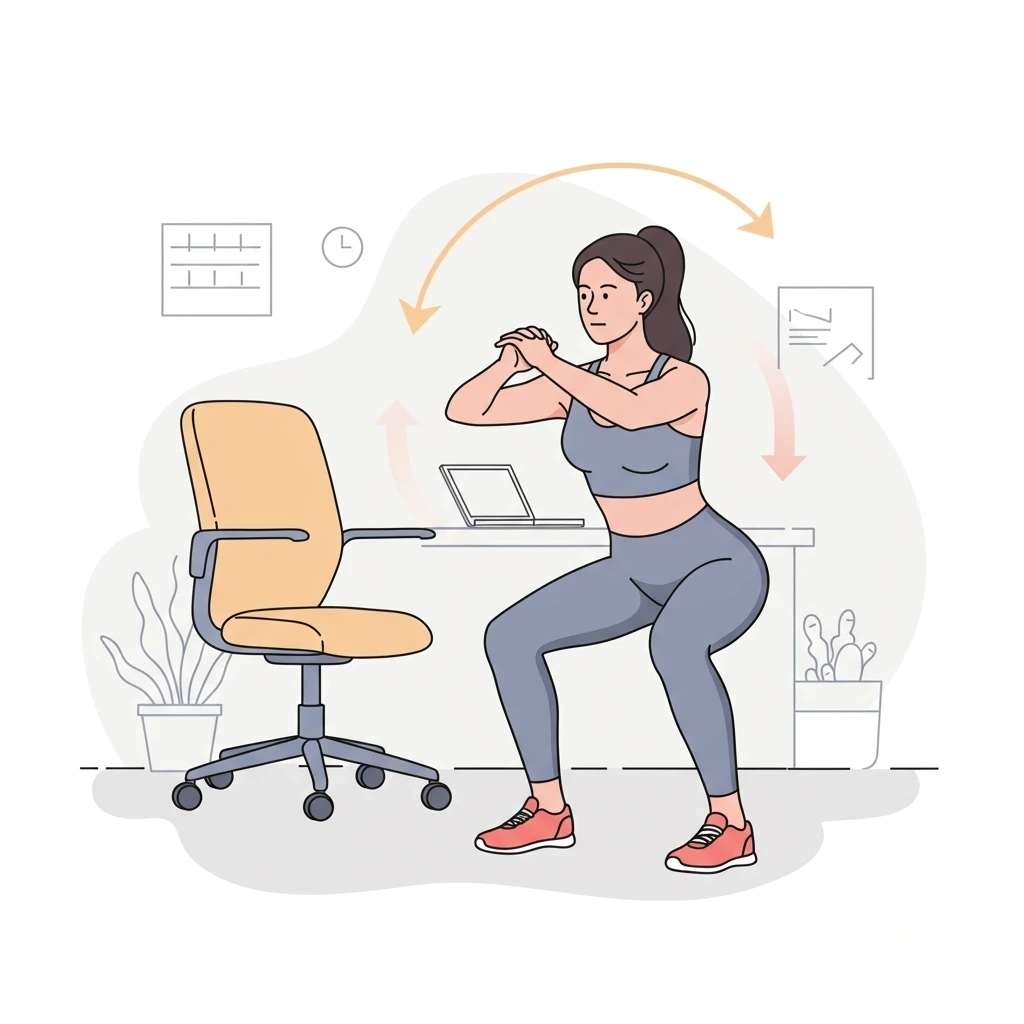
Stand during phone calls
Walk during voice notes
Do 10 bodyweight squats
March in place
Stretch hips and chest
Calf raises while reading emails
Neck and shoulder rolls
Smart Standing Desk Habits
Standing desks help — but only if used properly.
Best practices:
Alternate sitting and standing
Don’t stand all day (that causes its own problems)
Add gentle movement while standing
Keep screen at eye level
Use supportive footwear or a soft mat
Walking Is a Health Superpower
Walking is one of the most powerful anti-sitting tools.
Benefits:
Improves blood sugar control
Boosts circulation
Enhances mood
Lowers blood pressure
Reduces back pain
Burns extra calories
Even 5–10 minutes of walking every hour is powerful.
A Practical Anti-Sitting Daily Plan
Morning
Light stretching
Short walk
Avoid sitting immediately after waking
Workday
Stand or move every 30 minutes
Walk after meals
Use reminders or timers
Walk during calls
Evening
Light activity after dinner
Stretch hips, chest, back
Avoid long uninterrupted sitting sessions
Special Populations: Who Needs to Be Extra Careful?
Office Workers
High sitting exposure
Often unaware of movement gaps
Greater risk of chronic pain
Gamers and Streamers
Long sessions without breaks
Neck, wrist, and back strain
Higher risk of posture issues
Older Adults
Faster muscle loss
Higher fall risk
More sensitive to inactivity
People With Metabolic Conditions
Higher sensitivity to blood sugar spikes
Greater cardiovascular risk
Bigger benefits from movement breaks
What the Research Suggests About Sitting and Longevity
Large population studies and public health research — including work referenced by organizations like and — consistently show that:
Prolonged sitting increases disease risk
Light daily movement reduces mortality
Breaking sitting time is crucial
Total daily movement matters more than isolated workouts
Even small behavior changes can improve long-term health outcomes.
Bullet-Point Summary: The Key Takeaways
Sitting too much is harmful even if you exercise
Prolonged sitting increases heart disease and diabetes risk
Sitting slows metabolism and promotes fat storage
Long sitting harms posture, muscles, and joints
Mental health and focus suffer with too much sitting
Exercise helps — but doesn’t erase sitting damage
Frequent movement breaks are more powerful than one long workout
Walking is one of the best anti-sitting habits
NEAT plays a huge role in long-term health
Small daily changes add up over time
Final Thoughts: You Don’t Need to Sit Less — You Need to Move More
This isn’t about perfection.
It’s about patterns.
You don’t need:
A standing desk 24/7
Extreme routines
Constant workouts
You do need:
Frequent movement
Short breaks
A lifestyle that encourages motion
Awareness of how long you’ve been still
Your body thrives on motion.
Every time you stand up, stretch, or walk for a minute — you’re giving your health a quiet upgrade.
So set the reminder.
Take the walk.
Stand during the call.
Your future body will thank you. 💙






Comments 0
Sign in to join the conversation.
No comments yet. Be the first to say something.