

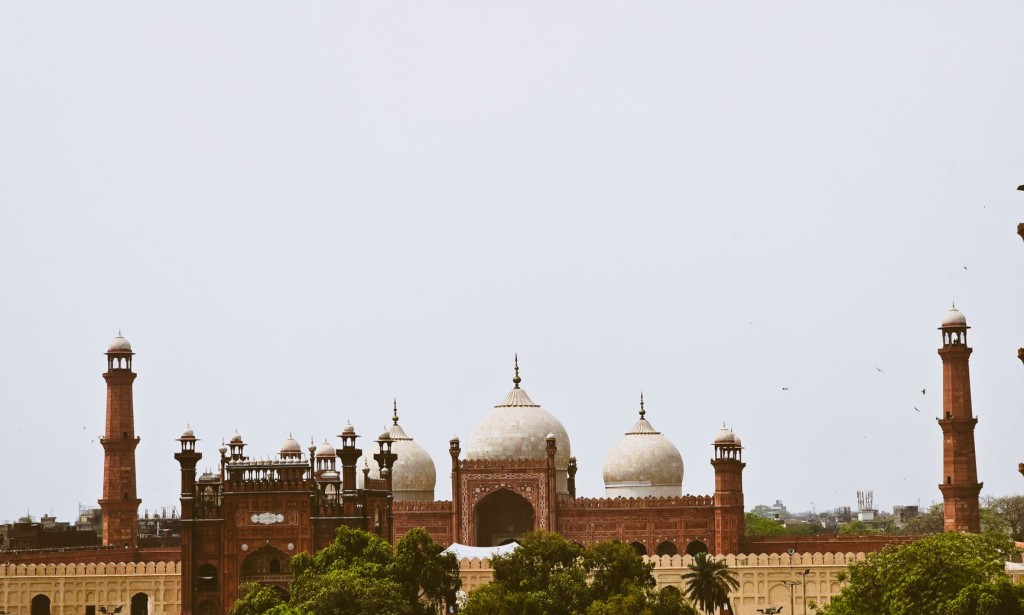
Religion and Beliefs: Foundations of Personal and Collective Identity
Religion and belief systems have long been central to human societies, playing a profound role in shaping both personal identities and collective social structures. Across time and cultures, religious beliefs and practices have influenced how individuals understand themselves, their place in the world, and their relationships with others. On a larger scale, shared religious and cultural beliefs bind communities together, fostering unity and continuity within societies. This article explores the foundational role that religion and beliefs play in the formation of personal and collective identities, examining their impact on individuals, groups, and cultures throughout history.

The Role of Religion in Personal Identity
At a personal level, religion offers a framework for understanding one's purpose, moral values, and existential questions. For many people, religious teachings provide a sense of clarity and direction, offering answers to life’s most profound questions: Why are we here? What happens after we die? How should we live? These beliefs often shape an individual’s worldview, guiding their actions, decisions, and interactions with others.
Religious practices such as prayer, meditation, and participation in rituals help individuals connect with the divine, themselves, and their communities. For example, in Christianity, prayer and scripture reading can provide comfort and direction during times of personal struggle. In Hinduism, meditation and devotion to deities help practitioners align themselves with the universe’s deeper truths. These practices not only deepen spiritual understanding but also reinforce the sense of self as connected to a higher power, facilitating personal growth and emotional resilience.
Religion also often provides a moral compass. Many belief systems offer ethical guidelines that shape how individuals approach various aspects of life, such as relationships, work, and community involvement. In Islam, the Five Pillars guide adherents in practicing faith, charity, and justice. In Buddhism, the Noble Eightfold Path encourages followers to live with right intention, speech, and action. These moral principles influence personal behavior, shaping an individual’s character and sense of right and wrong.
Additionally, religion can be a source of community and belonging. For many, the belief in shared values and goals provides a sense of comfort and security, as they know they are part of a larger, supportive network. This community aspect of religion can be particularly important during times of hardship or loss, offering both practical and emotional support to individuals facing difficult circumstances.

Collective Identity and the Power of Shared Beliefs
While religion plays a vital role in shaping personal identity, its influence extends far beyond the individual. On a collective level, religion has historically been the cornerstone of cultural identity, community cohesion, and social organization. Throughout history, religious beliefs have been central to the formation of nations, empires, and civilizations, often shaping laws, governance, and social hierarchies.
Religious communities share common beliefs, rituals, and symbols that unite them and provide a sense of belonging. These shared experiences form the foundation of collective identity, creating a sense of solidarity among members. The shared celebration of religious holidays, such as Christmas, Ramadan, or Diwali, strengthens these bonds, fostering a sense of cultural continuity and shared heritage. These collective religious practices not only reinforce personal beliefs but also enhance social cohesion, creating a sense of belonging and unity within the group.
Religion has also played a key role in the development of moral codes and legal systems that govern society. For instance, many early legal systems, such as the Code of Hammurabi in ancient Mesopotamia or the Ten Commandments in the Hebrew Bible, were based on religious principles. These laws provided a framework for justice, equality, and morality, guiding not just individuals but entire communities in their interactions with one another. In many cases, religion and law were intertwined, reinforcing the idea that personal behavior and social order were governed by divine will.
Moreover, religion has provided meaning and purpose for communities, often shaping national identity. For example, the idea of "manifest destiny" in 19th-century America, which was rooted in the belief that the United States had a divine mission to expand across North America, shaped both personal and collective identity. Similarly, in the Middle Ages, the Catholic Church’s authority was central to the identity of many European nations, influencing politics, education, and culture.
Religious symbols and rituals also contribute to collective identity. The use of religious symbols, such as the cross in Christianity, the crescent moon in Islam, or the lotus flower in Buddhism, represents more than just religious practice; it signifies belonging to a particular cultural or spiritual tradition. These symbols become deeply ingrained in the collective consciousness, forming a part of the national or ethnic identity. When people see these symbols, they are reminded of shared values, historical struggles, and cultural continuity.
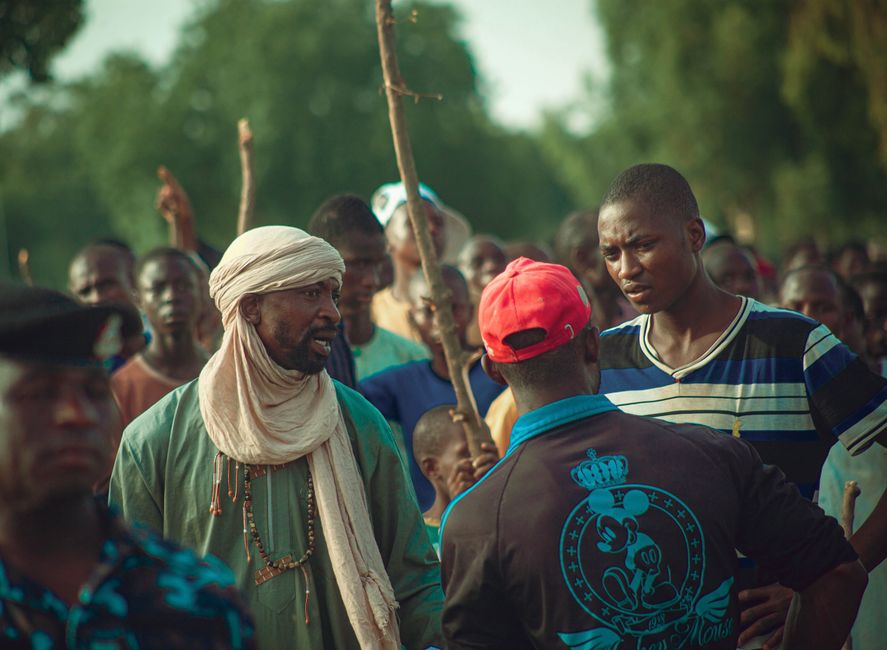
Religion and Belief in a Globalized World
In today’s increasingly interconnected world, religion continues to play a significant role in shaping both personal and collective identities, although globalization has brought new complexities. With the rise of technology and communication, individuals from different parts of the world now have greater access to diverse belief systems. This exposure can lead to an expansion of worldviews, as individuals encounter new religious and philosophical ideas that challenge their previously held beliefs.
At the same time, globalization can also amplify the role of religion in defining personal and collective identities. For example, diasporic communities often maintain their religious practices and cultural traditions as a way to preserve their identity in foreign lands. Immigrants in countries with different dominant belief systems may rely on religion as a source of cultural continuity and resilience, helping them to navigate the challenges of integration while maintaining a connection to their heritage.
However, the intersection of different belief systems can also lead to conflict, especially when religious identities are politicized. In many parts of the world, religious differences have fueled tensions and even violence, as groups struggle to preserve their cultural and spiritual identity in the face of perceived threats. Religious conflicts, such as those between different sects of Islam, Christianity, or Hinduism, have led to wars, displacement, and persecution.
Despite these challenges, religion remains an essential element of personal and collective identity. In a world marked by rapid change, economic inequality, and political instability, religion continues to offer individuals and communities a sense of stability, purpose, and belonging. It provides a moral framework for navigating complex social realities and offers a way to reconcile differences in a diverse world.
Conclusion
Religion and beliefs serve as the bedrock of personal and collective identities. They provide individuals with a sense of meaning, purpose, and moral direction, while also uniting communities around shared values, rituals, and symbols. Throughout history, religion has shaped societies, influenced cultural norms, and contributed to the formation of national identities. In the modern, globalized world, religion continues to be a powerful force, offering individuals and groups a sense of stability and belonging amid the challenges of contemporary life. As the world becomes increasingly interconnected, the role of religion in shaping identity remains central to understanding both the individual and the collective human experience.








Comments 0
Sign in to join the conversation.
No comments yet. Be the first to say something.