

Table of Contents
- What is Istikhara?
- The Importance of Seeking Divine Guidance
- How to Perform Istikhara
- The Spiritual Benefits of Istikhara
- Common Questions About Istikhara
1. What is Istikhara?
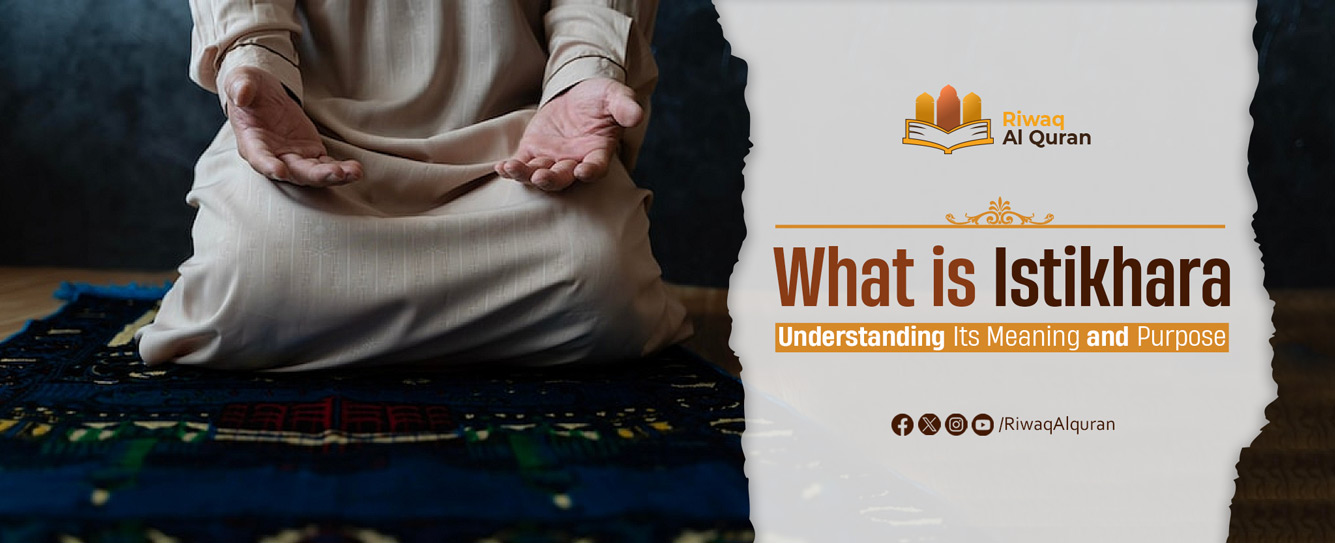
Istikhara, derived from the Arabic word "khayr", meaning goodness, refers to seeking the best or the most beneficial outcome in decision-making through the guidance of Allah. In Islam, it is believed that Allah, the All-Knowing, has complete wisdom and knowledge of what is best for His servants. Thus, Istikhara is a way for a Muslim to seek divine intervention and wisdom in matters where uncertainty or doubt prevails. While often linked to major decisions such as marriage, career choices, or relocation, Istikhara can be sought for any situation where guidance is needed. The act involves praying a specific prayer, asking Allah to lead the individual to the best choice while trusting His divine will. It reflects the deep faith and submission of a Muslim, recognizing that human understanding is limited and that ultimate success lies in Allah's hands.
2. The Importance of Seeking Divine Guidance
In life, we are frequently faced with decisions that can impact our future, often leaving us confused or uncertain about the right course of action. The Islamic concept of seeking guidance, especially through Istikhara, highlights the belief that human beings are imperfect and do not possess all-encompassing knowledge. When individuals turn to Allah for help, they acknowledge His supreme knowledge and seek to align their choices with His divine will. This practice not only strengthens a person's relationship with Allah but also encourages humility, as it teaches reliance on the Creator for guidance in life's challenges. The importance of Istikhara is not merely in the outcome, but in the act of placing one's trust in Allah and seeking His help. In a world where human-made solutions often fall short, Istikhara offers a spiritual anchor, reminding Muslims that the best decisions are those guided by divine wisdom.

3. How to Perform Istikhara
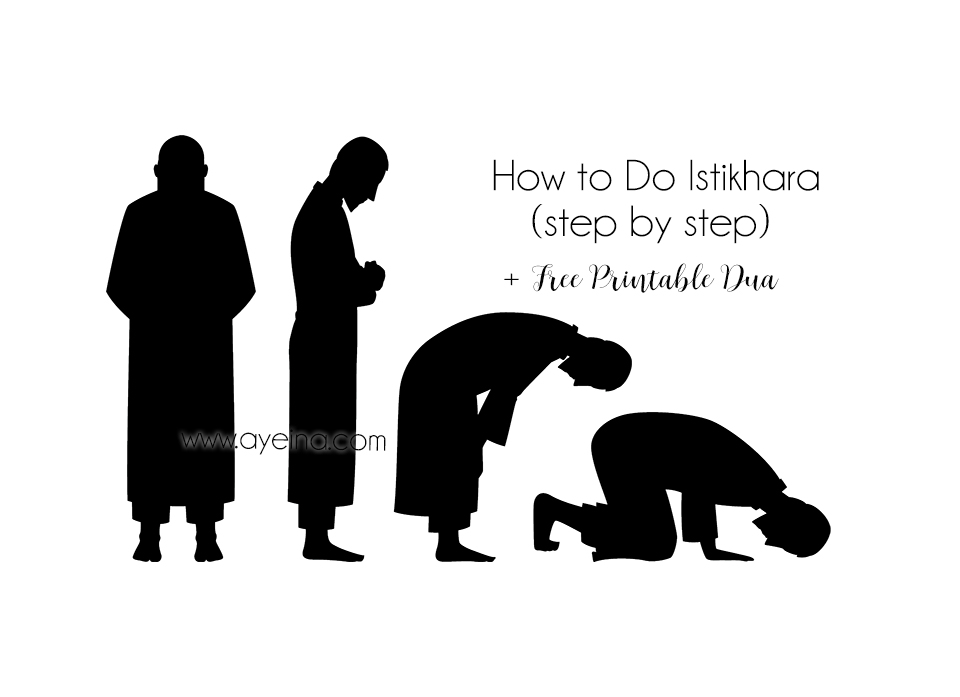
Performing Istikhara involves a series of steps that begin with a sincere intention to seek Allah's guidance. The first step is to make a general prayer, asking Allah for assistance and acknowledging the uncertainty in making the decision. Afterward, the individual prays two units of prayer (Salah) in which they seek guidance for their decision. Following the prayer, a specific supplication known as the Dua Istikhara is recited, which asks Allah to lead them toward what is best, whether it results in success or difficulty. This prayer can be made in the individual’s own words, though the traditional Dua Istikhara is recommended. The key to Istikhara lies not just in the prayer, but in having a deep sense of trust in the process, knowing that whatever the outcome, it is the best possible outcome for the individual. After performing the prayer, the person waits for a feeling of ease or discomfort, guidance through circumstances, or a dream that clarifies the situation. The guidance from Allah may not always be immediate or obvious but requires patience and reflection.

4. The Spiritual Benefits of Istikhara
The spiritual benefits of Istikhara go beyond just receiving guidance; they also include a strengthened connection with Allah and an increased sense of peace. By turning to Allah and seeking His help, a person actively submits to His will, acknowledging their reliance on divine wisdom. This practice cultivates patience, trust, and contentment in the heart. Even if the decision is not immediately clear, a sense of tranquility arises, knowing that Allah has a greater plan. Furthermore, Istikhara helps to purify the heart, as it encourages the individual to detach from personal desires and ego, allowing Allah to guide them toward what is truly beneficial. This spiritual benefit is particularly profound because it instills a sense of calm and certainty in the face of life’s complexities. When a Muslim follows Istikhara, they are reminded that Allah’s will, regardless of the immediate outcome, is always the best for them.

5. Common Questions About Istikhara
While Istikhara is a widely practiced form of seeking guidance, many Muslims have questions about its effectiveness and how it works. Some common questions include:
- How long should I wait after performing Istikhara before making a decision?
The waiting period for Istikhara can vary from person to person. It is important to remain patient and trust Allah’s timing. Sometimes, the decision becomes clearer over time through circumstances, intuition, or events that unfold. - Can Istikhara be performed multiple times for the same decision?
Yes, it is permissible to perform Istikhara multiple times if one still feels uncertain about a decision. The key is to remain sincere and trust in Allah's plan. - Does Istikhara guarantee that I will get a clear answer?
While Istikhara does not guarantee a specific or immediate answer, it opens the door to divine guidance. The guidance can come in the form of ease or difficulty in the decision, a sense of inner peace, or other subtle signs. - Is Istikhara only for big decisions?
Though Istikhara is often performed for significant life choices, it can be used for any decision where you seek Allah's guidance, regardless of its size or importance.






Comments 0
Sign in to join the conversation.
No comments yet. Be the first to say something.