

Quaid-e-Azam's Dressing: A Symbol of Elegance and National Identity
Quaid-e-Azam Muhammad Ali Jinnah, the founder of Pakistan, was not only a visionary leader but also a man of refined taste and style. His dressing sense reflected his personality—dignified, sophisticated, and disciplined. Jinnah’s attire was a perfect blend of Western elegance and Eastern heritage, symbolizing his deep connection with both modernity and tradition. Throughout his life, his dressing remained a significant aspect of his charismatic presence, leaving an indelible impression on everyone who met him.
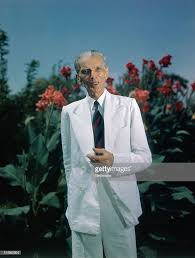
Western Elegance and Early Dressing Style
In his early years, especially during his time in England as a student of law at Lincoln’s Inn, Jinnah was deeply influenced by Western fashion. He admired
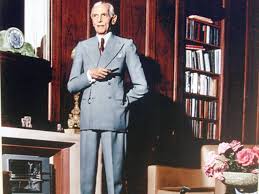
British aristocratic style and quickly adopted a wardrobe that reflected his elite taste. He was often seen in well-tailored suits, neatly pressed trousers, polished shoes, and silk ties. His suits, mostly made by renowned London tailors, were always perfectly cut, emphasizing his keen eye for detail. Jinnah was known for his preference for three-piece suits, often in dark shades such as black, grey, or navy blue, paired with a crisp white shirt.
His accessories, including pocket squares and cufflinks, were always meticulously chosen to complement his outfit. Even in the hot climate of India, Jinnah maintained his sophisticated look, often carrying a cane and wearing a stylish hat, which became his signature style during his years as a barrister. His impeccable dressing reflected his discipline, self-respect, and professionalism, making him stand out among his peers.
Transition to Eastern Attire and National Identity
As Jinnah became more involved in the Indian independence movement and later in the struggle for Pakistan, his dressing style gradually evolved to reflect his Eastern roots. While he continued to wear Western suits on formal occasions, he also embraced traditional South Asian attire to connect with the masses.
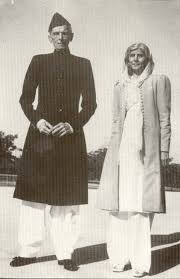
During the 1940s, when he led the Pakistan Movement, Jinnah was often seen wearing a sherwani—a long, knee-length coat commonly worn by South Asian nobility—paired with a white shalwar or churidar. He also adopted the Karakul cap, which later became a hallmark of his identity and a symbol of leadership in Pakistan. His adoption of traditional attire was a strategic and symbolic decision, as it resonated with the Muslim community and emphasized his commitment to their cause. The sherwani and Karakul cap became synonymous with his image, reinforcing the idea of a distinct Muslim identity.
Legacy of Jinnah’s Dressing Style
Jinnah’s dressing sense was not just about fashion; it was a reflection of his leadership, confidence, and vision. Even after his passing, his style continues to influence Pakistani politicians, diplomats, and leaders who wish to embody his grace and dignity. The sherwani and Karakul cap remain significant in Pakistan, especially during official ceremonies and national celebrations. Many Pakistani leaders, including presidents and prime ministers, have worn this attire as a tribute to Quaid-e-Azam.
Jinnah’s impeccable dressing sense symbolized discipline, refinement, and pride in one's identity. Whether in a Western suit or an Eastern sherwani, his attire always exuded grace and authority. His legacy as a well-dressed statesman continues to inspire generations, reminding Pakistanis of the values of self-respect, confidence, and leadership.

You must be logged in to post a comment.