

Pakistan’s Education System: Unveiling the Framework
Pakistan's education system is an intricate network of public and private institutions, each with its own set of challenges and opportunities. The country is home to more than 200 million people, and despite significant strides in recent decades, the education system still faces a range of issues that impede its full potential. In this article, we will explore the structure of Pakistan’s education system, examine the key challenges it faces, and consider the reforms and opportunities that could lead to improvemen
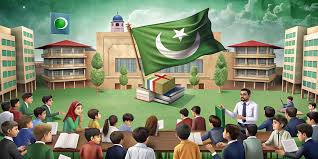
The Structure of Pakistan's Education System
Pakistan’s education system is divided into several key levels, beginning with early childhood education and progressing through primary, secondary, and tertiary education. The system is overseen by provincial governments, with each province having its own education department that sets policies, develops curricula, and manages schools.
-
Early Childhood Education (ECE): Early childhood education in Pakistan is not universally accessible. While there is a growing awareness of its importance, many children, particularly in rural areas, do not have access to quality pre-primary education. ECE plays a critical role in laying the foundation for future learning, and its lack in some areas can significantly hinder children's cognitive and social development.
-
Primary Education: Primary education in Pakistan is the first formal education children receive, typically beginning at the age of five or six. The primary cycle consists of five years, and schooling is officially free and compulsory at this stage. Despite the government’s efforts, however, many children, especially in remote or impoverished regions, remain out of school. Rural areas in particular face a shortage of schools and teachers, contributing to high dropout rates.
-
Secondary Education: Secondary education consists of two stages: middle (grades 6-8) and high school (grades 9-10). At the end of grade 10, students take their Secondary School Certificate (SSC) exams. Secondary education is often where disparities in educational access become more pronounced. Urban areas tend to have better facilities, teaching resources, and opportunities for extracurricular activities compared to rural counterparts.
-
Higher Secondary (Intermediate) Education: After completing secondary education, students may move on to higher secondary education, which includes grades 11 and 12. Students typically specialize in fields such as science, arts, commerce, or technical studies. Upon completion, they take the Higher Secondary School Certificate (HSSC) exams, which are prerequisites for admission to universities.
-
Tertiary Education: Pakistan's tertiary education system includes universities, colleges, and technical institutions. Pakistan has a mix of public and private universities, with institutions such as Quaid-i-Azam University, Aga Khan University, and Lahore University of Management Sciences (LUMS) being some of the top public and private institutions. While the country has made significant strides in higher education, issues such as limited access to quality universities, inadequate research funding, and a skills gap remain persistent challenges.
-
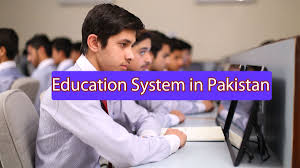
Key Challenges in Pakistan's Education System
The education system in Pakistan faces several challenges, many of which are deeply rooted in historical, cultural, and socio-economic factors. Below are some of the key issues that hinder its growth:
-
Access to Education: Access to education remains one of the most significant challenges. According to UNESCO, over 22 million children are out of school in Pakistan, with the majority being girls. This problem is exacerbated by economic and geographical barriers, with rural areas and low-income families often unable to afford education. Poverty and socio-cultural barriers, such as early marriage and gender discrimination, also limit access for girls.
-
Quality of Education: The quality of education varies dramatically between public and private schools. Public schools, particularly in rural areas, suffer from outdated curricula, underqualified teachers, poor infrastructure, and insufficient resources. In contrast, private schools in urban areas tend to offer higher-quality education with better facilities, but they are often out of reach for the majority of the population due to high fees.
-
Curriculum and Pedagogy: The curriculum in Pakistan is often criticized for being outdated, overly focused on rote memorization, and not aligned with global standards. The absence of critical thinking, creativity, and problem-solving skills in the curriculum is a significant barrier to producing well-rounded, skilled individuals. Additionally, there is a lack of practical and technical education opportunities, which makes it harder for students to find employment after graduation.
-
Teacher Training and Professional Development: Teachers are a key pillar in any education system, yet Pakistan's teaching profession faces many challenges. A large number of teachers, particularly in rural areas, are inadequately trained, with many lacking the necessary pedagogical skills. The lack of ongoing professional development means that many teachers remain stuck in outdated teaching methods that fail to engage students effectively.
-
Gender Inequality: Despite progress, gender inequality remains a significant issue in Pakistan’s education system. Girls, particularly in rural areas, often face barriers to education such as early marriage, cultural attitudes, and a lack of female teachers. This has led to lower literacy rates for women and restricted economic opportunities. Addressing these gender disparities is crucial to ensuring equitable educational access for all children.
-
Public vs. Private Schooling: A stark division exists between public and private schools, with private institutions often offering superior facilities, teaching standards, and extracurricular opportunities. However, this creates an education divide between the rich and poor, with access to private schooling remaining out of reach for most families. Public schools continue to serve the majority of the population, yet the disparities in resources and quality remain a significant concern.
-
Educational Reforms and Opportunities
Despite these challenges, Pakistan has made efforts to reform its education system, and several initiatives have been launched to address these issues:
-
National Education Policy: The government has developed various education policies aimed at improving literacy rates, increasing school enrollment, and addressing gender disparities. The National Education Policy (NEP) 2021 outlines a vision for strengthening Pakistan’s education system by ensuring that all children receive a high-quality education, improving infrastructure, and creating more inclusive and equitable educational opportunities.
-
Focus on Early Childhood Education: Efforts to enhance early childhood education are being prioritized, with initiatives aimed at training teachers, improving school infrastructure, and promoting the importance of early learning in communities. These programs are seen as crucial to ensuring that children develop foundational skills for future academic success.
-
Curriculum Reform: Curriculum reform is underway to move away from rote learning and embrace more holistic, skill-based education. The government aims to implement a curriculum that fosters creativity, critical thinking, and problem-solving while providing students with practical, employable skills. Additionally, the focus on STEM (science, technology, engineering, and mathematics) education is increasing to prepare students for a rapidly changing job market.
-
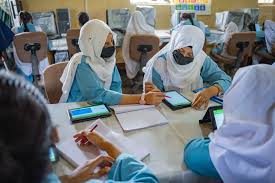
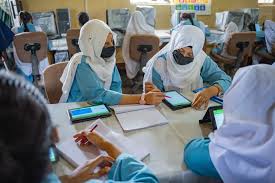
Technological Integration: Technology has the potential to bridge educational gaps, especially in remote areas. Digital learning platforms, online resources, and e-learning tools are being integrated into schools to provide students with greater access to learning materials. Initiatives such as the Ehsaas Education Stipend Program also aim to make education more accessible through financial support for low-income families.
-
Improving Teacher Training: Teacher training programs are being expanded to enhance pedagogical skills and subject knowledge. Professional development workshops, certifications, and government-backed training initiatives aim to equip teachers with the tools necessary to provide high-quality education.
-
International Partnerships: Pakistan is also exploring international collaborations to improve its education sector. With support from global organizations like UNESCO, the World Bank, and various non-governmental organizations (NGOs), Pakistan has made progress in areas such as educational infrastructure, policy development, and literacy campaigns.
Conclusion
Pakistan’s education system is multifaceted, facing both significant challenges and exciting opportunities. From improving access and quality to addressing gender inequality and curricular reforms, there is a long road ahead. However, with sustained efforts, reforms, and investments, Pakistan has the potential to build an education system that nurtures skilled, informed, and capable citizens who can contribute to the country’s social and economic development. As the global economy becomes more interconnected, education will remain at the core of Pakistan’s efforts to progress and grow.

You must be logged in to post a comment.