

Table of Contents
- Introduction: Luxembourg's Rise to Wealth
- A Snapshot of Luxembourg’s Economy
- Luxembourg's Rich Cultural Heritage
- The Role of Multilingualism in Luxembourg
- Luxembourg’s Role in European and Global Affairs
- Top Cultural Attractions in Luxembourg
- Living in Luxembourg: A Blend of Tradition and Modernity
- Practical Tips for Visiting Luxembourg
1. Introduction: Luxembourg's Rise to Wealth
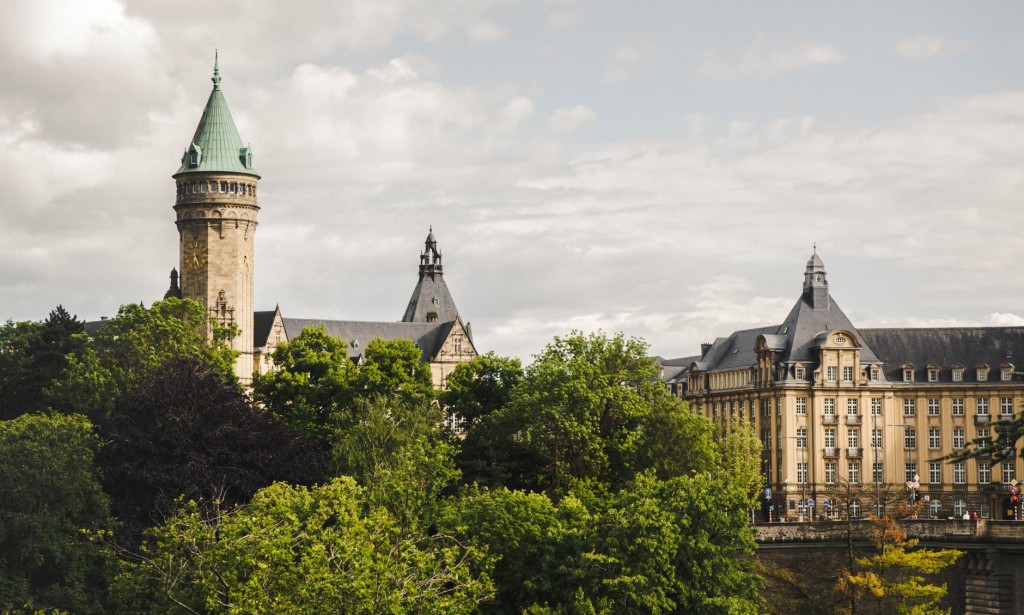
Luxembourg, a landlocked country bordered by Belgium, France, and Germany, is often regarded as one of Europe's wealthiest nations. Despite its small geographical size, it boasts a highly developed economy, a high standard of living, and a robust financial sector that has helped propel it to global prominence.
Historically, Luxembourg has been a crossroads for European culture and commerce. Its strategic location and well-developed industries, particularly in finance and steel, have made it a hub for international investment and business. The country's wealth is not just a modern phenomenon but also the result of strategic decisions, resource utilization, and its ability to adapt to global economic changes.
2. A Snapshot of Luxembourg’s Economy
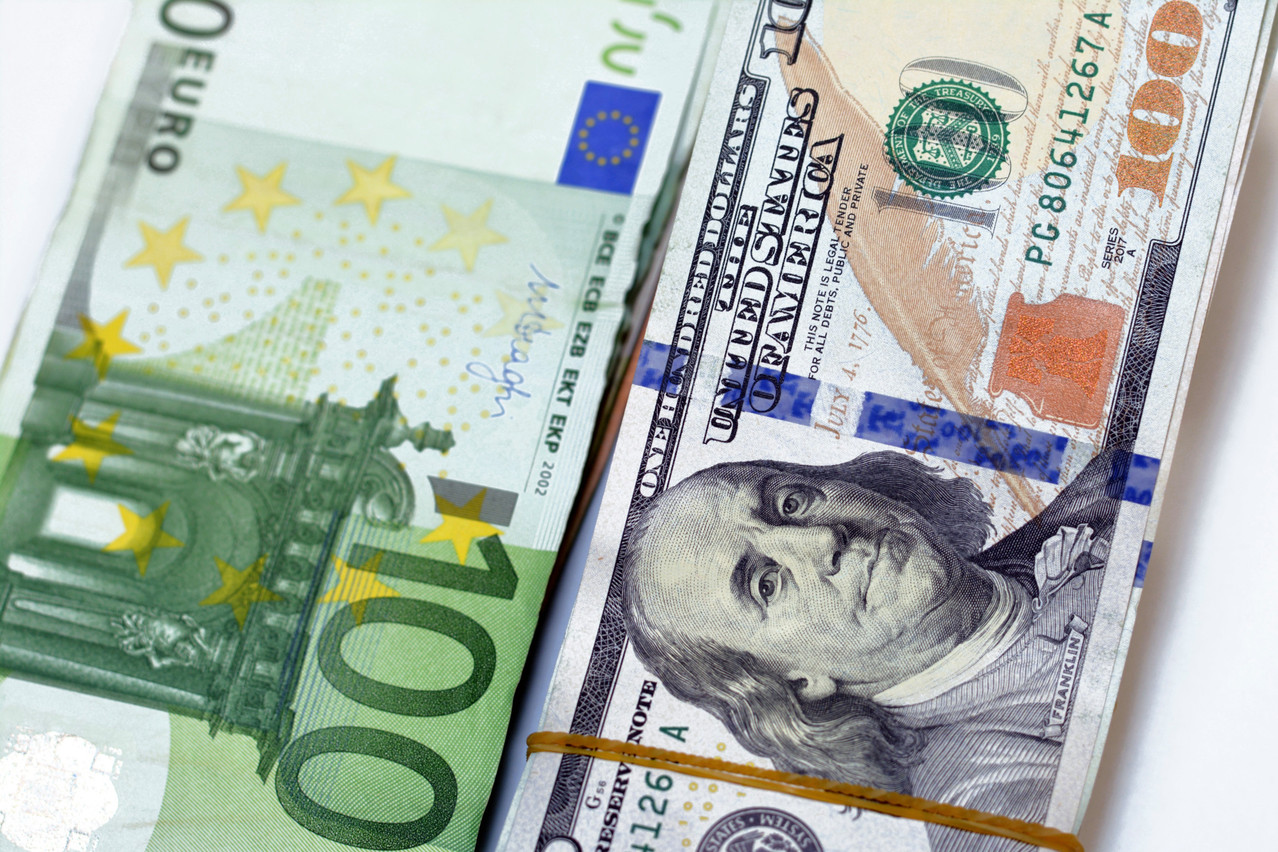
Luxembourg’s economy is built on a strong foundation of finance, industry, and technology. The country’s financial services sector is one of the largest in Europe, with Luxembourg being a key player in private banking, investment funds, and insurance. Its reputation as a tax haven has attracted numerous multinational companies to set up their headquarters or regional offices in the Grand Duchy.
Aside from finance, Luxembourg is also known for its steel industry, which has been a driving force behind its economic growth. In recent years, Luxembourg has diversified into the tech industry, with a focus on space technology and cybersecurity, making it one of the leading countries in innovation. The economy is also bolstered by a highly skilled workforce, an attractive business climate, and policies aimed at economic diversification.
3. Luxembourg's Rich Cultural Heritage
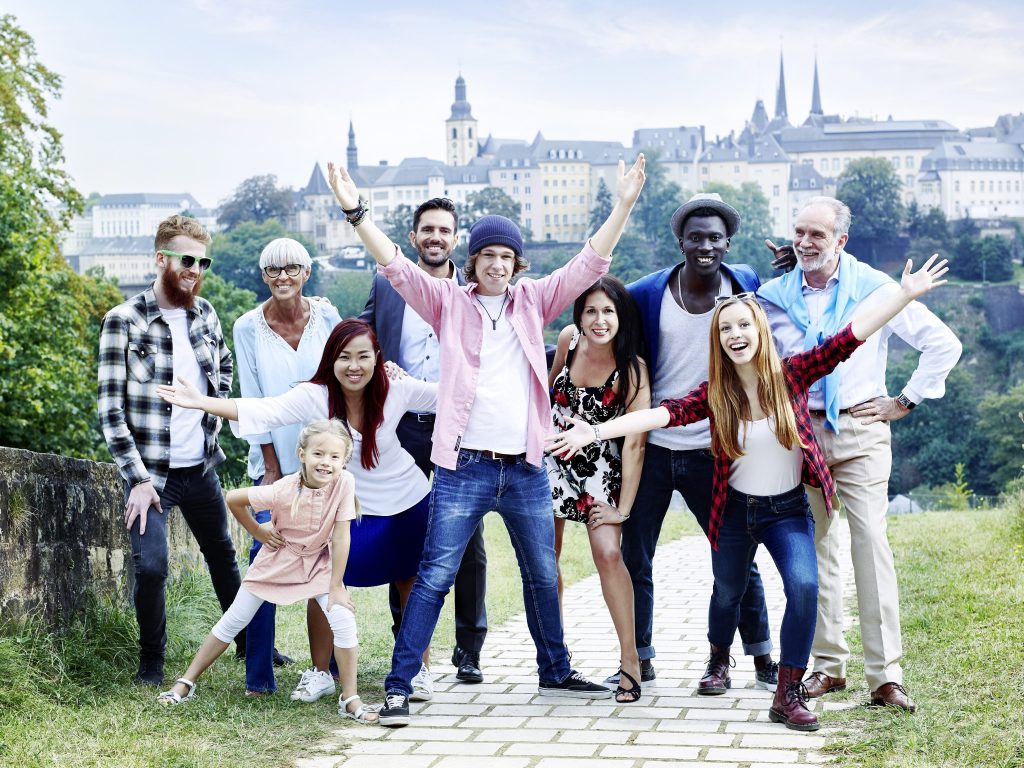
Luxembourg’s wealth extends beyond its economic achievements, with the country also boasting a rich cultural heritage. The Grand Duchy’s long history is reflected in its architecture, traditions, and museums. Despite its small size, Luxembourg is a melting pot of cultures, owing to its position in the heart of Europe and its historical role as a crossroads of trade and military conquest.
The country's cultural diversity is shaped by its mix of French, German, and Belgian influences, which are evident in everything from the local cuisine to its festivals and public holidays. Luxembourg also has a thriving arts scene, with numerous galleries, theaters, and music festivals that celebrate both local and international artists. The Grand Duchy’s history is preserved in its medieval castles, quaint villages, and the UNESCO-listed Luxembourg City Old Town, which stands as a testament to the country's rich past.
4. The Role of Multilingualism in Luxembourg
One of Luxembourg’s defining features is its multilingual population. Luxembourgers are typically fluent in three languages: Luxembourgish, French, and German. Luxembourgish is the national language and is used in daily life, while French is the language of administration and legal matters, and German is commonly used in the media and in education.
This multilingualism is not only a source of national pride but also plays a crucial role in Luxembourg’s ability to operate as a global financial center. The ability to communicate in multiple languages allows Luxembourg to interact seamlessly with international investors, clients, and businesses. It also makes the country more welcoming to expatriates and tourists, as many people in Luxembourg speak English and other languages.
5. Luxembourg’s Role in European and Global Affairs
Luxembourg’s influence stretches far beyond its borders, as it plays an active role in European and global affairs. As one of the founding members of the European Union, NATO, and the United Nations, Luxembourg has been integral to shaping the political landscape of Europe and the world. The country’s strategic diplomacy, commitment to peace, and economic policies have earned it respect on the international stage.
Luxembourg is also home to several key European institutions, including the European Court of Justice, the European Investment Bank, and the European Stability Mechanism. Its role as a financial and diplomatic hub has positioned it as a key player in shaping European policy and economic decisions.
6. Top Cultural Attractions in Luxembourg
Despite its small size, Luxembourg offers a wealth of cultural attractions. One of the country’s most notable landmarks is the Grand Ducal Palace, the official residence of the Grand Duke of Luxembourg. The palace is open to the public during the summer months, offering guided tours that showcase its historical significance and architectural beauty.
Another highlight is The Bock Casemates, a network of underground tunnels that date back to the 17th century. These tunnels offer a glimpse into Luxembourg’s military history and provide breathtaking views of the city.
For art enthusiasts, the Mudam Luxembourg (Musée d’Art Moderne Grand-Duc Jean) is the country’s premier museum for contemporary art. With rotating exhibitions of international and local artists, Mudam serves as a hub for creativity and innovation.

7. Living in Luxembourg: A Blend of Tradition and Modernity
Living in Luxembourg offers a unique blend of tradition and modernity. The country’s small size contributes to a strong sense of community, yet it remains a cosmopolitan hub, with a high standard of living, excellent public services, and an emphasis on sustainability. Luxembourg’s housing market is competitive, with a range of options from charming old town apartments to modern high-rise buildings.
Luxembourg is also a great place for families, with a high quality of life, a well-developed healthcare system, and a strong focus on education. The country offers a wealth of parks and green spaces, which contribute to a healthy and active lifestyle. Despite its urbanization, Luxembourg has managed to preserve its natural beauty, with lush forests, vineyards, and picturesque villages surrounding the capital city.

8. Practical Tips for Visiting Luxembourg
For visitors, Luxembourg offers a seamless and enjoyable experience. Here are a few practical tips to make your trip even more enjoyable:
- Best Time to Visit: The best time to visit Luxembourg is during the spring and summer months, when the weather is mild, and outdoor activities such as hiking and sightseeing are at their peak.
- Transportation: Luxembourg has an efficient public transportation system that includes buses and trains, making it easy to explore the country. In 2020, Luxembourg became the first country in the world to make all public transportation free.
- Currency: Luxembourg uses the Euro (€), and most establishments accept credit and debit cards.
- Cultural Etiquette: Luxembourgers are known for their polite and formal behavior. It’s customary to greet people with a handshake, and addressing someone with their title (Mr./Ms.) is common.


Comments 0
Sign in to join the conversation.
No comments yet. Be the first to say something.