


“Getting older is inevitable. Aging, however, may soon be optional.”
That once sci-fi-sounding idea is edging closer to reality as, in 2025, the race to radically extend human lifespan has gained serious scientific traction. From Silicon Valley startups to global biotech giants, the field of longevity science is exploding with new discoveries. The dream of living healthily to 120 years old — or beyond — is not just a fantasy anymore; it’s a future that’s beginning to look feasible.
But how exactly are scientists planning to double or even triple the healthy human lifespan? Let’s unpack the breakthroughs, the biology, and yes — even the ethical questions.

🔬 1. Understanding the Root of Aging
To fight aging, researchers first had to understand it — not just what happens on the surface (wrinkles, gray hair), but what goes wrong deep inside our cells.
The main culprits?
-
Cellular senescence: where old cells stop dividing but don’t die — instead, they hang around causing damage.
-
Telomere shortening: telomeres are the caps on our DNA strands that get shorter with every cell division, leading to aging and cell death.
-
Mitochondrial decline: these are the cell’s energy factories, and they wear out over time.
-
Chronic inflammation: often called “inflammaging,” it’s the silent fire that fuels many age-related diseases.
By targeting these biological ticking clocks, scientists believe we can slow — or even reverse — aspects of aging.
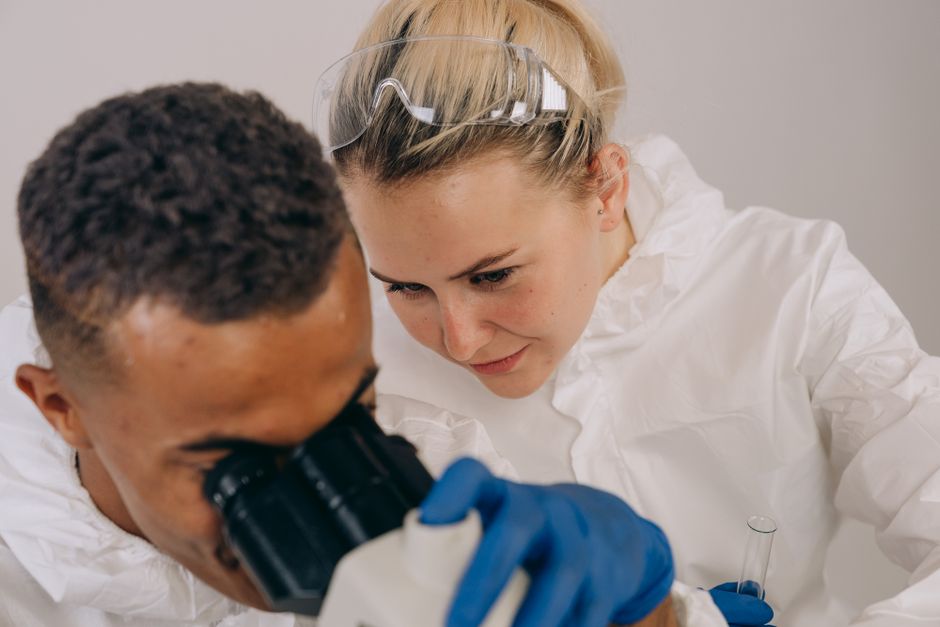
💉 2. The Breakthroughs That Could Change Everything
🧬 Gene Editing (CRISPR and beyond)
Remember when gene editing sounded like sci-fi? Well, CRISPR is now being used to repair genetic defects and potentially reverse age-related cellular damage. Newer techniques like base editing are even more precise and may be used to fix aging-related mutations before they cause disease.
🧪 Senolytics – Clearing Out Zombie Cells
Senolytics are drugs that selectively remove senescent cells — the "zombie" cells that harm healthy tissue. In early human trials, these treatments have shown promise in improving mobility and reducing inflammation in elderly patients.
🧫 Stem Cell Therapy
Stem cells are the body’s repair system. Now, researchers are using them to regenerate damaged organs, improve heart health, and even reverse signs of brain aging.
💊 NAD+ Boosters and Metabolic Therapies
NAD+ is a molecule crucial to cell function and energy, but it declines with age. Supplements that increase NAD+ — like NMN — are being tested for their ability to restore youthful energy levels and improve metabolic health.
🌱 Rapamycin & Calorie Mimics
Rapamycin, originally an immunosuppressant, has shown lifespan-extending effects in animals. Meanwhile, drugs and diets that mimic calorie restriction (known to slow aging in animals) are being explored as lifestyle-friendly longevity hacks.

🧠 3. The Brain Game: Cognitive Longevity
Living to 120 isn’t just about having a healthy body — it’s about keeping your mind sharp too.
Breakthroughs in neuroregeneration, early Alzheimer’s detection, and brain-computer interfaces could preserve memory, creativity, and emotional depth well into later life. In fact, tech giants are investing heavily in neural tech, aiming to delay or even reverse cognitive decline.

💰 4. Who’s Funding This Fountain of Youth?
It’s not just scientists and doctors behind the longevity push — billionaires like Jeff Bezos, Peter Thiel, and Sergey Brin are investing millions into startups focused on anti-aging. Companies like Altos Labs, Calico, and Loyal (which is even trying to extend dog lifespan — because why not?) are at the forefront.
Some critics warn this could lead to “longevity inequality” — where only the wealthy can afford life-extending tech. But advocates argue that, like with smartphones and vaccines, mass adoption will eventually drive costs down for everyone.

🌍 5. Ethical Questions & Social Impacts
Living to 120 might sound great… until you start wondering:
-
Will the planet support more long-living people?
-
What happens to retirement and pensions?
-
Will longer lives mean longer working years? (Yikes.)
There's also a psychological aspect. Would we cherish our days as much if we had twice as many of them?
Experts argue that extended lifespans won’t just add years to life — they must add life to years. That means prioritizing mental health, purpose, and relationships even as we live longer.

😲 Surprise Dad Joke Break
“I told my grandkids I might live to 120.
They said, ‘Cool! That means you'll still be around when flying cars finally actually happen.’
Touché.”

✈️ 6. Longevity Tourism — Yes, It's a Thing
In 2025, “wellness travel” has a new face: longevity tourism. People are flying to countries like Switzerland, Japan, and Costa Rica to access cutting-edge therapies, longevity spas, and blue zone lifestyles (areas where people already live much longer than average).
Think meditation retreats meets molecular diagnostics — all with a mountain view and a turmeric smoothie in hand. 🍵🧘♀️

🤖 7. Tech Meets Longevity: The Role of AI & Wearables
AI is now being used to predict biological age, customize health plans, and monitor key biomarkers in real time. Smart wearables can track everything from blood sugar to cortisol levels, nudging users toward daily behaviors proven to extend lifespan.
Your smartwatch might soon be more like a mini-doctor — but one that doesn’t make you wait 45 minutes in a lobby with old magazines.

🧓👶 8. What If Aging Becomes a Choice?
Here’s the philosophical twist: if aging becomes a treatable condition, does that mean people could choose to pause it at will?
Would you stay 35 forever? Or 50? What if aging slowly returned the moment you stopped treatments?
This raises deep questions about identity, growth, and what it means to “age gracefully” in a world where wrinkles are optional.
🔮 Final Thoughts: What Does a World of 120-Year-Olds Look Like?
If these breakthroughs continue on their current trajectory, the children born in the 2020s could routinely live past 100 — with sharp minds, strong bodies, and decades of meaningful life ahead.
But it won’t be magic. It’ll be science, choices, and community. The longevity revolution isn’t just about living longer — it’s about living better.
Whether you dream of running marathons at 90, becoming a centenarian DJ, or just sticking around long enough to see what Gen Alpha does next — the future might just grant that wish.








Comments 0
Sign in to join the conversation.
No comments yet. Be the first to say something.