

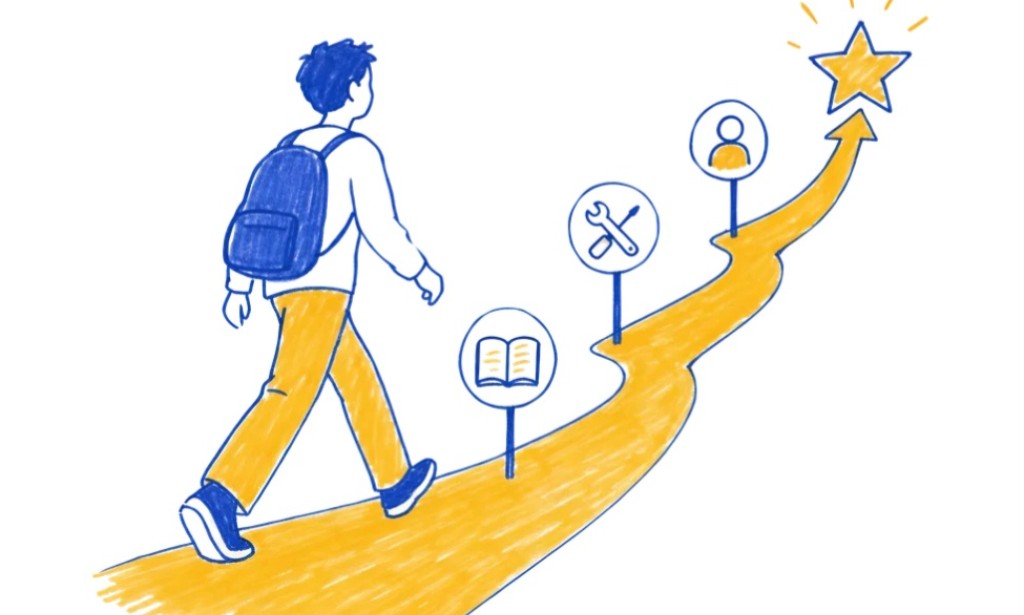
Choosing a career is one of the most important decisions in a person's life. Everyone wants to choose a profession that provides a good income, respect, and a better future. Some people want to become doctors, teachers, engineers, or government officers, while others prefer business, freelancing, digital marketing, or other online jobs. No matter which career a person chooses, skills play an important role in achieving success. Many people think that having a degree or qualification is enough to get a good job, but in reality, education alone is not always sufficient. A person also needs practical knowledge, experience, communication, and problem-solving abilities. In my opinion, every career requires some kind of skill, although the type and level of skills may be different.
What Are Career Skills?
Career skills are the abilities and knowledge that help a person perform a particular job properly. These skills can be learned through education, training, practice, and experience. For example, a doctor needs medical knowledge and the ability to treat patients, while a teacher needs subject knowledge and communication skills to explain lessons to students.
Some skills are related to a specific profession, while others are useful in almost every field. Communication, time management, teamwork, confidence, and problem-solving are examples of general career skills. These abilities help people perform their responsibilities and deal with different situations in their professional lives.
Why Does Every Career Need Skills?
Every profession has its own responsibilities and challenges. A person cannot perform a job successfully without understanding what needs to be done. Skills help people complete their tasks correctly, save time, and improve the quality of their work. For example, a person working in an office needs computer knowledge, communication skills, and the ability to manage documents. Similarly, a shopkeeper needs customer-handling skills, basic mathematics, and business knowledge. Even a person working from home needs discipline, time management, and the ability to complete tasks independently. Skills also help people become more confident. When someone knows how to perform a task, they feel more comfortable and independent. This confidence can create better opportunities for career growth. Not every career requires the same type of skills. Some professions need technical knowledge, while others depend more on creativity, physical ability, or communication.
1. Medical Profession
Doctors, nurses, and other healthcare workers need professional education and practical skills. They must understand medical conditions, medicines, and treatment methods. They also need patience, responsibility, and good communication because they deal with people's health and lives.
2. Teaching Profession
Teaching is not only about having knowledge of a subject. A good teacher must know how to explain difficult topics in simple language. Classroom management, patience, communication, and understanding students' needs are also important skills.
3. Business and Entrepreneurship
People who want to start their own businesses need different abilities. They should understand customers, manage money, make decisions, and promote their products or services. Good communication and marketing skills can help a business attract more customers.
4. Digital and Online Careers
Nowadays, many people are earning money through online work. Digital marketing, graphic designing, content writing, web development, and freelancing are becoming popular career choices. These fields require practical skills and regular learning. For example, a content writer needs writing and research skills, while a graphic designer needs creativity and knowledge of designing software. A digital marketer should understand social media, advertising, and customer behaviour.
5. Government and Office Jobs
Government and office careers also require skills. Employees need knowledge of their responsibilities, computer skills, communication, decision-making, and time management. Even if a person passes a competitive examination, they must develop professional abilities to perform their duties effectively.
Importance of Soft Skills
Technical knowledge is important, but soft skills are equally valuable in professional life. Soft skills are personal abilities that help people communicate and work with others. Communication is one of the most important soft skills. A person should know how to express ideas clearly and listen to others. Teamwork is also necessary because many jobs involve working with different people. Time management helps employees complete their tasks within deadlines. Similarly, problem-solving allows people to find solutions when they face difficulties.
In my opinion, a person who has good technical knowledge but cannot communicate or work with others may face difficulties in professional life. Therefore, both technical and soft skills are necessary for career development.
Is a Degree Enough to Build a Successful Career?
Education is important because it provides basic knowledge and prepares people for professional life. However, a degree does not always guarantee success. Many graduates struggle to find jobs because they lack practical experience or job-related skills. For example, someone may have a degree in computer science but may not know how to develop a practical project. Similarly, a person with a business degree may understand business theories but have little experience dealing with customers. This is why students should focus on both education and practical learning. Internships, short courses, workshops, projects, and online learning can help them improve their abilities. A degree can open the door to opportunities, but skills help a person perform well after entering the professional world.
Can Skills Be Learned?
One positive thing about skills is that most of them can be developed through practice and dedication. Nobody is born knowing everything. People become better at their work by learning from mistakes and gaining experience. Students can improve their communication by reading books, writing, and participating in discussions. They can learn computer skills through online courses and practical activities. Similarly, people interested in business can start by learning basic marketing and financial management. The internet has made learning easier than ever. Many free educational platforms and YouTube tutorials provide opportunities to learn new skills without spending a lot of money. However, watching tutorials is not enough. Regular practice is necessary to turn knowledge into ability.
Although learning skills is important, many people face difficulties while developing them. Some students do not have access to good training institutes or expensive courses. Others cannot afford professional education because of financial problems. Lack of confidence is another challenge. Some people are afraid of making mistakes or trying something new. They believe they are not talented enough, so they stop learning. However, mistakes are a normal part of the learning process. People should start with small goals, practise regularly, and improve gradually. They should also remember that learning a skill takes time and patience.
Every career requires skills, but the type of skills depends on the nature of the profession. A doctor needs medical skills, a teacher needs teaching abilities, a businessperson needs management skills, and a freelancer needs digital and communication skills. No profession can be performed effectively without proper knowledge and abilities.
I believe that education and skills should go together. A degree gives us knowledge, while practical skills teach us how to use that knowledge in real situations. Everyone should try to learn something new and improve their abilities according to their career goals. Success does not come only from choosing a good profession; it also comes from hard work, continuous learning, and the ability to perform that work well. In today's competitive world, skills are not just an advantage; they are an important part of building a successful future.





Comments 0
Sign in to join the conversation.
No comments yet. Be the first to say something.