

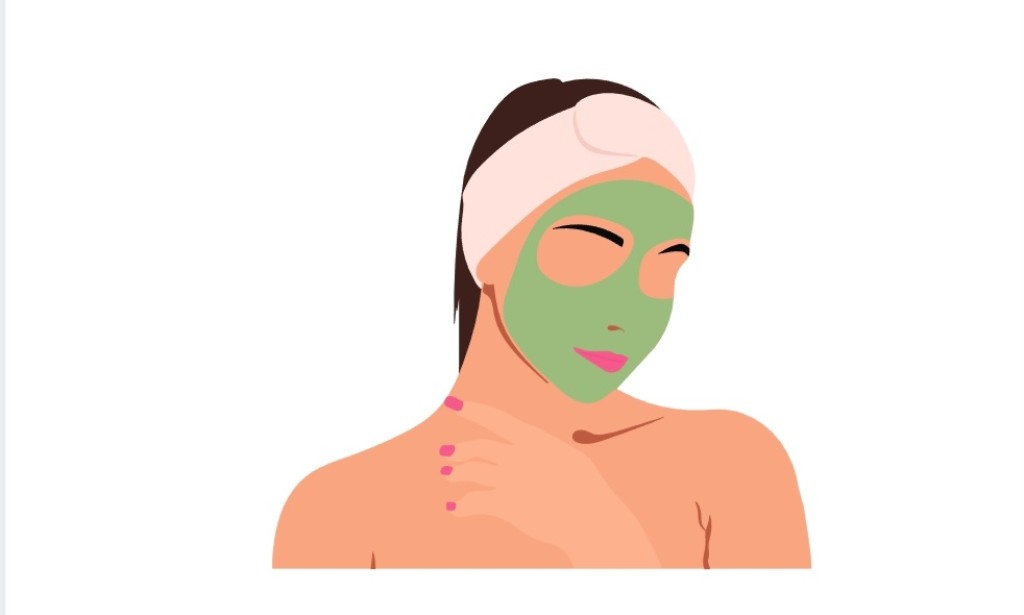
Acne is one of the most common skin problems, especially among teenagers and young adults. Almost everyone experiences acne at some point in life. It usually appears on the face, forehead, chest, shoulders, and back. Acne develops when hair follicles become blocked with oil, dead skin cells, and bacteria. It may appear in the form of pimples, blackheads, whiteheads, or painful bumps under the skin. Although acne is not usually a serious medical condition, it can affect a person's confidence and self-esteem. Some people feel embarrassed or uncomfortable because of their acne, especially when it appears on visible parts of the body. Fortunately, acne can be treated with proper skincare, medicines, and healthy lifestyle habits.
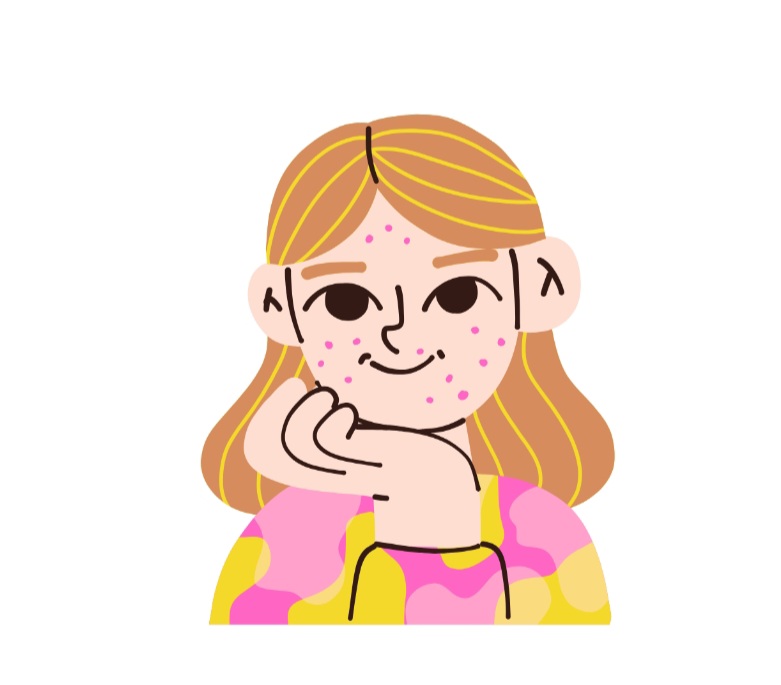
Causes of Acne
There are several reasons why acne develops. One of the main causes is the excessive production of sebum, which is the natural oil produced by the skin. When too much oil mixes with dead skin cells, it can block the pores and lead to acne. Hormonal changes are another important cause. During puberty, the body produces more hormones called androgens, which increase oil production. This is why acne is very common among teenagers. Hormonal changes during menstruation, pregnancy, and certain medical conditions can also cause acne in adults. Bacteria naturally present on the skin can also contribute to acne when blocked hair follicles become inflamed. Genetics may play a role as well. If parents have a history of acne, their children may be more likely to experience it. Stress does not directly cause acne, but it can make existing acne worse. In some people, certain foods, cosmetics, and oily skincare products may also contribute to breakouts.
Different Types of Acne
Acne can appear in different forms depending on its severity. The most common types include:
1. Whiteheads: These are small bumps that form when pores become blocked and remain closed.
2. Blackheads: These develop when blocked pores remain open. Their dark colour is caused by exposure to air, not dirt.
3. Papules: These are small, red, and inflamed bumps that may feel painful.
4. Pustules: These look like pimples and contain pus, usually appearing as white or yellow spots.
5. Nodules and cysts: These are deeper and more painful forms of acne. They can cause permanent scars if not treated properly. Understanding the type of acne is helpful in choosing the right treatment.
Effective Methods of Acne Treatment
Acne treatment depends on its type and severity. Mild acne can often be managed with a regular skincare routine and over-the-counter products, while moderate or severe acne may require medical treatment.
1. Proper Skin Cleansing
Keeping the skin clean is an important step in acne management. Washing the face twice a day with a gentle cleanser helps remove excess oil, sweat, and dirt. However, washing the face too frequently or scrubbing it harshly can irritate the skin and make acne worse. It is better to use mild products that do not block pores.
2. Use of Acne Treatment Products
Several skincare ingredients are helpful in treating acne. Benzoyl peroxide reduces acne-causing bacteria and helps control inflammation. Salicylic acid helps remove dead skin cells and clear blocked pores. Retinoids, such as adapalene, help prevent clogged pores and reduce the formation of new pimples. These products should be introduced gradually because they may cause dryness or irritation in the beginning.
Moisturizer is also important, even for people with oily skin. A lightweight, oil-free, and non-comedogenic moisturizer helps maintain the skin's natural moisture balance. During the day, sunscreen with SPF 30 or higher should be used because some acne treatments make the skin more sensitive to sunlight.
3. Medical Treatment
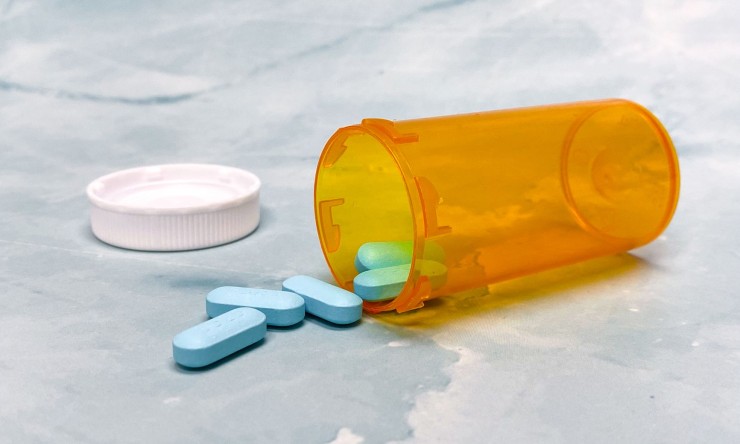
When acne is severe or does not improve with basic skincare, consulting a dermatologist is the best option. Doctors may prescribe topical antibiotics, retinoids, or other medicines depending on the condition. Oral antibiotics may be used for some cases of moderate to severe inflammatory acne, usually for a limited period and alongside topical treatment.
For certain people with hormonal acne, doctors may recommend hormonal treatments. In severe cases, isotretinoin may be prescribed under strict medical supervision. This medicine can be very effective, but it has important side effects and serious pregnancy-related risks. Therefore, it should never be taken without a doctor's guidance.
4. Natural and Home Care
Many people prefer natural remedies for acne, but not every home remedy is safe or effective. Aloe vera may help soothe irritated skin, while gentle skincare can reduce unnecessary irritation. However, applying lemon juice, toothpaste, baking soda, or harsh homemade mixtures to the face is not recommended because these substances can damage the skin. It is also important not to squeeze or pop pimples. Doing so can increase inflammation, spread bacteria, and leave dark marks or permanent scars.
Importance of a Healthy Lifestyle
A healthy lifestyle can support acne treatment. Drinking enough water helps maintain normal body functions, although drinking extra water alone does not cure acne. Eating a balanced diet containing fruits, vegetables, whole grains, and protein supports overall health.
Some studies suggest that high-glycemic foods, such as sugary drinks and refined carbohydrates, may worsen acne in certain people. Dairy products may also be associated with acne in some individuals. However, these effects are different for everyone, so there is no need to follow an unnecessarily strict diet. Getting enough sleep and managing stress are also important. Stress can affect hormones and increase inflammation, which may worsen existing breakouts. Regular physical activity can improve general health, but it is important to wash away sweat after exercise.
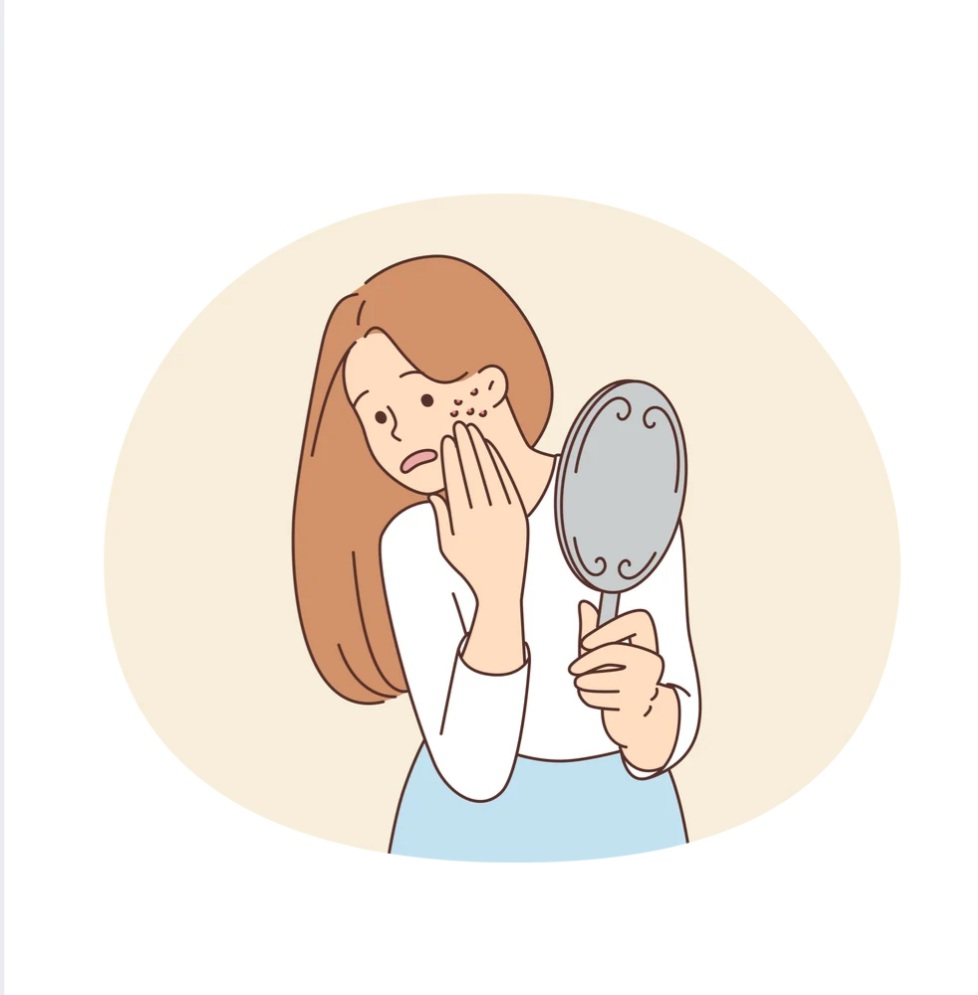
Prevention of Acne
Although acne cannot always be completely prevented, some habits can reduce the chances of developing new breakouts. The face should be washed gently, especially after sweating. Makeup should be removed before sleeping, and skincare products labelled non-comedogenic should be preferred. Pillowcases, towels, and makeup brushes should be cleaned regularly. Hair products containing heavy oils should be kept away from the face if they trigger breakouts. People should also avoid touching their faces frequently and should never pick at pimples. Consistency is the most important part of acne prevention and treatment. Most acne treatments need several weeks to show visible improvement. Changing products too frequently can irritate the skin and make it difficult to understand which treatment is working.
Psychological Effects of Acne
Acne does not only affect the skin; it can also affect mental and emotional well-being. People with visible acne may feel shy, lose confidence, or avoid social gatherings. Sometimes, negative comments from others make the situation even more difficult. It is important to understand that acne is a common medical condition and has nothing to do with poor hygiene or personal appearance. Nobody should feel ashamed of having acne. If acne causes emotional distress, support from family, friends, and healthcare professionals can make a positive difference.
Acne is a common skin condition that can affect people of different ages. It develops due to several factors, including excess oil production, hormonal changes, blocked pores, and inflammation. Although acne can sometimes be frustrating, it is treatable with proper skincare, suitable medicines, and healthy habits. Avoiding harsh remedies, not squeezing pimples, and seeking medical advice when necessary can prevent further skin damage. Most importantly, acne treatment requires patience because improvement does not happen overnight. With the right care and consistency, most people can manage their acne and achieve healthier skin. A person should always remember that clear skin is not the only measure of beauty, and having acne does not make anyone less confident or attractive.






Comments 0
Sign in to join the conversation.
No comments yet. Be the first to say something.