

People Are Outsourcing Their Memories to AI—Is This the End of Forgetting?
Introduction
For centuries, forgetting has been part of being human. We forget names, birthdays, details of conversations, and even entire phases of our lives. But something strange is happening in the age of artificial intelligence.
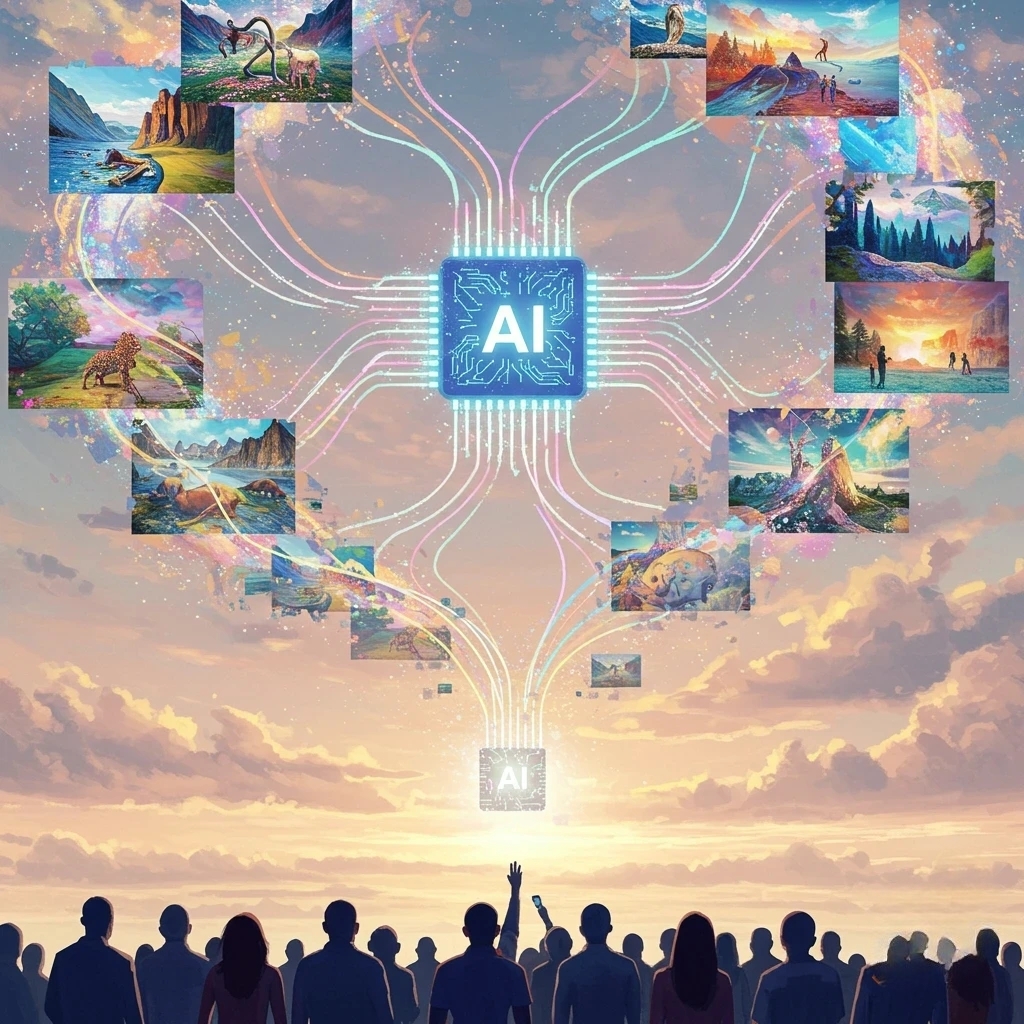
People are no longer relying only on their brains to remember. They’re outsourcing memory to AI tools, smart devices, and digital assistants. From saving life moments in apps to asking AI to recall what they said last week, memory is becoming externalized.
This raises a big question:
Are we approaching the end of forgetting—or just changing how memory works?
This article explores how people are outsourcing memory to AI, the psychology behind it, the benefits, the risks, and what it means for the future of human identity, learning, and mental health.
What Does It Mean to Outsource Memory to AI?
The Concept of External Memory
Outsourcing memory means relying on tools outside the brain to store, organize, and retrieve information.
This isn’t new. Humans have done this for centuries.
Writing notes
Keeping journals
Using calendars
Creating photo albums
AI simply takes this idea much further.
How AI Has Changed Memory Storage
AI doesn’t just store information.
It interprets, summarizes, and recalls it on demand.
Examples include:
Asking to summarize meetings
Using to remember reminders
Letting devices track health data
Relying on to store personal knowledge
AI-powered memory systems:
Store conversations
Track habits
Log thoughts
Recall patterns about you
This is no longer simple note-taking.
This is cognitive outsourcing.
Why People Are Letting AI Remember for Them
The Rise of Cognitive Overload
Modern life floods us with information.
People juggle:
Work tasks
Social obligations
News
Personal goals
Digital communication
The brain wasn’t built for nonstop data streams.
Outsourcing memory reduces mental strain.
Convenience and Instant Recall
AI offers:
Fast retrieval
Smart search
Summarization
Context-based memory
Benefits people feel immediately:
Less stress
Fewer forgotten tasks
Better organization
Faster decision-making
Emotional Comfort and Support
Some people use AI as a memory companion.
They ask AI to:
Remember personal preferences
Track emotional patterns
Summarize past struggles
Reflect on personal growth
For lonely or overwhelmed users, this creates:
A sense of continuity
Emotional validation
Stability in chaotic lives
How Memory Actually Works in the Human Brain
Memory Is Not a Storage Drive
Human memory is not like a hard drive.
It is:
Reconstructive
Emotional
Context-dependent
Biased
Fragile
Every time you remember something, your brain slightly rewrites it.
The Role of Forgetting
Forgetting is not a flaw.
It’s a feature.
Forgetting helps:
Remove irrelevant data
Reduce emotional overload
Support creativity
Allow adaptation
Prevent mental clutter
Forgetting shapes identity by:
Letting us move on
Softening trauma
Making room for new experiences
Is AI Replacing Human Memory or Enhancing It?
Memory Augmentation vs Memory Replacement
AI can act as a memory extension, not a replacement.
Healthy use:
AI stores details
Humans focus on meaning
People remember concepts, not raw data
Unhealthy use:
AI becomes the primary memory
Humans stop practicing recall
Overdependence develops
The Risk of Cognitive Atrophy
If you never use a muscle, it weakens.
Memory works the same way.
Over-reliance on AI memory may:
Reduce recall ability
Weaken learning skills
Lower attention span
Decrease mental resilience
Psychological Effects of Outsourcing Memory to AI
Reduced Mental Load
Positive effects:
Lower anxiety
Better focus
Improved productivity
More emotional bandwidth
Loss of Mental Ownership
Negative effects:
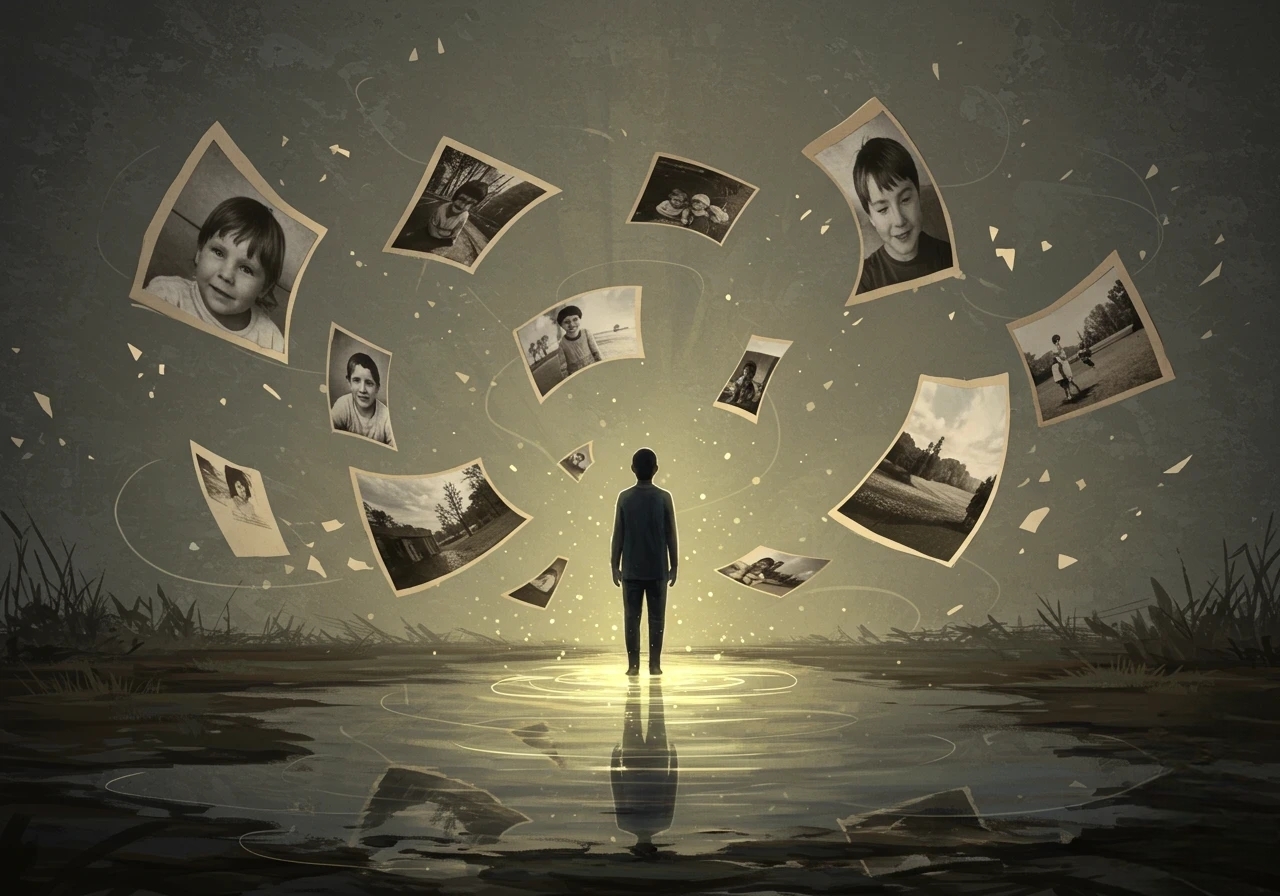
Feeling disconnected from personal history
Relying on machines for self-reflection
Reduced sense of identity coherence
The Illusion of Perfect Recall
AI creates a false belief:
That nothing is ever truly lost
That every moment can be preserved
This can:
Increase fear of forgetting
Reduce acceptance of impermanence
Create pressure to document everything
Ethical and Privacy Concerns of AI Memory Storage
Who Owns Your Memories?
When AI stores your personal data, questions arise:
Who controls it?
Who can access it?
Who profits from it?
Who deletes it?
If memory is outsourced, ownership of memory becomes political.
Data Vulnerability
Risks include:
Data leaks
Surveillance
Behavioral profiling
Emotional manipulation
Personal memory data can reveal:
Trauma
Habits
Relationships
Weaknesses
Private thoughts
Emotional Exploitation Risks
AI systems can learn emotional patterns.
This can be used to:
Personalize experiences
Influence decisions
Target vulnerabilities
Shape beliefs
This raises serious ethical concerns about manipulation.
AI Memory and Human Identity
Memory as the Core of Identity
You are partly defined by:
What you remember
What you forget
How you interpret your past
If AI stores your life more accurately than your brain, identity becomes externalized.
The Danger of Narrative Control
Who controls your personal story?
If AI summarizes your life:
It chooses what matters
It frames meaning
It shapes self-perception
This introduces:
Bias
Narrative distortion
Algorithmic interpretation of your life
The Impact on Learning and Intelligence
Are We Becoming Less Intelligent?
Not necessarily.
But intelligence may shift.
Humans may focus more on:
Critical thinking
Creativity
Strategy
Emotional intelligence
While AI handles:
Recall
Organization
Pattern detection
The New Learning Model
Learning may become:
Concept-driven
Less memorization
More synthesis
More applied knowledge
This changes education systems and skill priorities.
AI Memory in Relationships and Social Life
Outsourcing Emotional Labor
Some people let AI remember:
Birthdays
Relationship conflicts
Preferences
Personal details
This can:
Improve relationships
Reduce friction
But also reduce emotional presence
Authenticity vs Automation
If AI remembers everything about someone for you:
Are you being thoughtful?
Or are you delegating care?
This blurs the line between:
Genuine attention
Automated empathy
The Long-Term Future of Memory Outsourcing
The Rise of Digital Memory Companions
Future AI may:
Track entire life histories
Offer memory playback
Act as personal historians
Assist with decision-making using past behavior
Will Humans Lose the Skill of Remembering?
Unlikely entirely.
But memory may change from:
Internal recall
to
External acces
This mirrors how writing changed oral culture.
Is Forgetting Actually Dying?
Forgetting Is a Biological Need
Forgetting allows:
Healing
Adaptation
Reinvention
Growth
Even with AI, humans will still forget emotionally.
Machines cannot erase emotional forgetting.
The Value of Selective Forgetting
Not everything should be remembered.
Forgetting helps:
Forgive
Let go
Move forward
Create psychological safety
Perfect memory may be psychologically unhealthy.
How to Use AI Memory Without Losing Your Humanity
Healthy AI Memory Practices
Use AI to store logistics, not emotions
Reflect personally before asking AI to summarize
Practice recall without assistance
Journal without AI interpretation
Set boundaries for personal data
Questions to Ask Yourself
Am I thinking less because AI remembers more?
Do I reflect on experiences, or just archive them?
Do I remember people, or does my device remember them?
The Future: Human Memory + AI Memory Together
Symbiotic Intelligence
The healthiest path is collaboration.
AI stores information
Humans create meaning
Machines recall facts
Humans interpret significance
A New Relationship With Forgetting
Forgetting may become:
Less accidental
More intentional
More selective
People may choose what to remember and what to let go.
Final Thoughts
Outsourcing memory to AI is not the end of forgetting.
It is the beginning of intentional memory design.
Forgetting will not disappear.
But memory will no longer live only in the brain.
The real danger is not forgetting.
The danger is forgetting how to be human without remembering for ourselves.

You must be logged in to post a comment.