


Introduction: Reykjanes Peninsula's Volcanic Awakening
Iceland is a land shaped by fire and ice, a place where volcanic activity is as natural as the geothermal springs that dot the landscape. The Reykjanes Peninsula, located in the southwestern part of the country, is home to some of Iceland’s most active volcanic systems. After centuries of relative dormancy, the Reykjanes Peninsula has recently seen a dramatic resurgence in volcanic activity, sparking alarm and fascination both in Iceland and across the globe.
For centuries, this body of land remained quiet, with the last known volcanic eruption in the Reykjanes system occurring in the 12th century. However, over the past few years, scientists have observed increasing seismic activity, including a significant number of earthquakes and volcanic eruptions, signaling that Reykjanes is far from dormant. In this article, we’ll explore the factors behind this dramatic awakening, the implications for the environment and human populations, and what we can expect in the coming years.
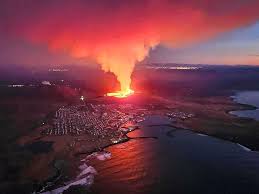
The Reykjanes Peninsula: A Volcanic Hotspot
The Reykjanes Peninsula is part of the Mid-Atlantic Ridge, a geological boundary that separates the Eurasian and North American tectonic plates. This ridge runs through Iceland and is responsible for much of the country’s volcanic activity. The peninsula is known for its geothermal fields, volcanic craters, hot springs, and lava fields. It is also home to several volcanoes, including the famous Fagradalsfjall, which has become an iconic symbol of the region’s volcanic nature.
The geological activity in this region is driven by the movement of the tectonic plates. As the plates pull apart, magma rises to fill the gap, resulting in the formation of new land and volcanic eruptions. This constant process of tectonic activity has made Iceland one of the most volcanically active regions in the world.
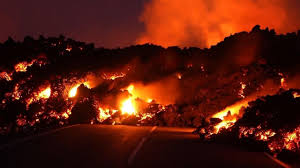
While the Reykjanes Peninsula had experienced occasional seismic tremors and minor volcanic activity in the past, it had not seen a significant eruption for over 800 years. That all changed in March 2021, when a series of powerful earthquakes and volcanic eruptions shook the region, signaling the return of volcanic activity to this part of Iceland
.
A Shocking Resurgence: 2021 Eruptions and Seismic Activity
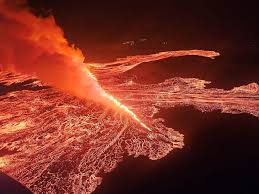
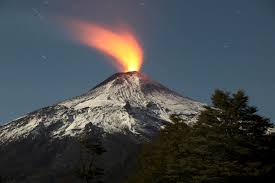
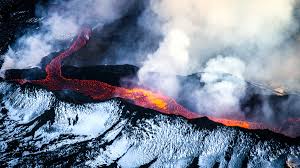
The Reykjanes Peninsula made headlines in 2021 when the Fagradalsfjall volcano erupted after nearly 800 years of inactivity. This volcanic event captured the world’s attention as lava fountains shot into the sky, creating dramatic scenes of molten rock flowing through the landscape. The eruption was preceded by weeks of intense seismic activity, with thousands of small earthquakes occurring in the region.
The seismic activity leading up to the eruption was part of a broader pattern of ground movement in the Reykjanes system. In early 2021, Iceland’s geological monitoring services detected significant movement beneath the surface, including the shifting of magma under the Reykjanes Peninsula. These signs of volcanic unrest were closely monitored by scientists, who predicted that an eruption was imminent.
When the eruption finally occurred in March 2021, it sent a clear message that the Reykjanes Peninsula was once again an active volcanic region. The eruption produced a spectacular display of lava, which flowed across the landscape, forming new volcanic features and altering the terrain. While the eruption was not as destructive as others in Iceland’s history, it was a vivid reminder of the power of nature and the unpredictability of volcanic systems.
Environmental and Social Impacts of the Eruptions
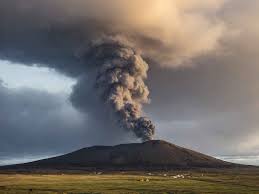
While the volcanic eruptions in Reykjanes are awe-inspiring, they also pose significant risks to the environment and human populations. The immediate environmental impact of volcanic eruptions includes the release of ash, gases, and lava, which can affect air quality, wildlife, and ecosystems. Volcanic ash can be carried by winds, disrupting air travel and causing health issues for people living in nearby areas.
In addition to the direct effects of volcanic activity, the earthquakes that preceded the eruption caused damage to infrastructure, including roads, buildings, and utilities. The seismic tremors also led to landslides and other geological disturbances, affecting communities in the region.
Iceland’s population, particularly those living near the Reykjanes Peninsula, had to contend with the disruptions caused by the eruptions and the associated seismic activity. Although the Icelandic government has made significant efforts to prepare for volcanic events, the eruptions still posed challenges in terms of evacuation, emergency response, and infrastructure repair. Local communities were forced to adjust to the shifting landscape, with some areas becoming uninhabitable due to the changing geography caused by lava flows.
However, there are also positive aspects to these eruptions. Iceland’s geothermal resources have long been a source of energy, and the volcanic activity in Reykjanes has the potential to provide even more geothermal power. The country’s geothermal power plants harness the heat from the earth’s crust to generate electricity, and the renewed volcanic activity may enhance these energy resources. This could be a boon for Iceland’s renewable energy sector, which already generates a significant portion of its electricity from geothermal sources
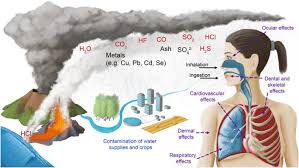
The Science Behind the Eruptions: Understanding the Volcanic System
To understand why Reykjanes has erupted after centuries of dormancy, scientists must look at the broader volcanic system in the region. The volcanic activity in Reykjanes is the result of complex geological processes that are not fully understood. However, recent studies suggest that the increase in seismic activity may be related to the movement of magma beneath the surface, as well as the shifting of tectonic plates.
Iceland’s geologists are closely monitoring the region, using a combination of seismographs, satellite imagery, and ground-based measurements to track the movement of magma and predict potential eruptions. The eruption of Fagradalsfjall in 2021 was preceded by significant seismic activity, providing scientists with valuable data to improve eruption forecasting in the future.
One of the key factors in understanding the eruption of Reykjanes is the movement of magma beneath the surface. As magma rises toward the Earth’s surface, it can cause the ground to shift, resulting in earthquakes. In the case of the Reykjanes eruptions, scientists believe that the magma began to accumulate beneath the surface, eventually reaching the point where it could no longer be contained, leading to an eruption.
The Future of Reykjanes: What Lies Ahead?
While the 2021 eruption was spectacular, it is unlikely to be the last volcanic event in Reykjanes. The region remains seismically active, and scientists continue to monitor the situation closely. With the ongoing movement of tectonic plates and the presence of magma beneath the surface, there is a strong likelihood that Reykjanes will continue to experience volcanic activity in the coming years.
However, this renewed activity also offers opportunities for further scientific study and understanding of volcanic processes. Researchers are particularly interested in studying the relationship between seismic activity, magma movement, and volcanic eruptions in this unique part of the world. By studying these phenomena, scientists can improve their ability to predict future eruptions, which could help mitigate risks to human populations and infrastructure.
Conclusion: A Land of Fire and Ice
The Reykjanes Peninsula’s volcanic awakening is a reminder of Iceland’s dynamic geological nature. While the recent eruptions and seismic activity have posed challenges, they also provide a unique opportunity to study one of the most active volcanic regions in the world. As scientists continue to study the area and understand the forces at play beneath the Earth’s surface, Iceland’s volcanic landscape will undoubtedly continue to shape both the natural environment and the lives of those who call this land home. The land of fire and ice roars back to life, reminding us of the power and unpredictability of nature.






Comments 0
Sign in to join the conversation.
No comments yet. Be the first to say something.