

Saving money is one of the most important habits for building a secure and peaceful life. However, saving can feel almost impossible when your income is limited and most of your earnings go toward household expenses, bills, groceries, transportation, and other daily needs.
Many people believe that saving money is only possible for those who earn a high salary. This is not true. Although having a higher income can make saving easier, people with limited earnings can also improve their financial situation through careful planning, smart decisions, and consistent habits.
The secret is not always earning more money. Sometimes, it is learning how to manage the money you already have.
If you want to understand how to save money on a low income, here are 12 practical strategies that can help you take control of your finances and gradually build a better future.
1. Understand Where Your Money Goes
The first step toward saving money is understanding how you spend it.
Many people receive their salary or monthly income and begin paying expenses without keeping track of how much they spend. At the end of the month, they wonder where all their money went.
Start by writing down every expense for at least one month. Include groceries, electricity bills, transportation, rent, school fees, mobile packages, and small daily purchases.
You may discover that some expenses are unnecessary or higher than you expected.
Once you understand your spending habits, you can make better financial decisions.
2. Create a Realistic Monthly Budget
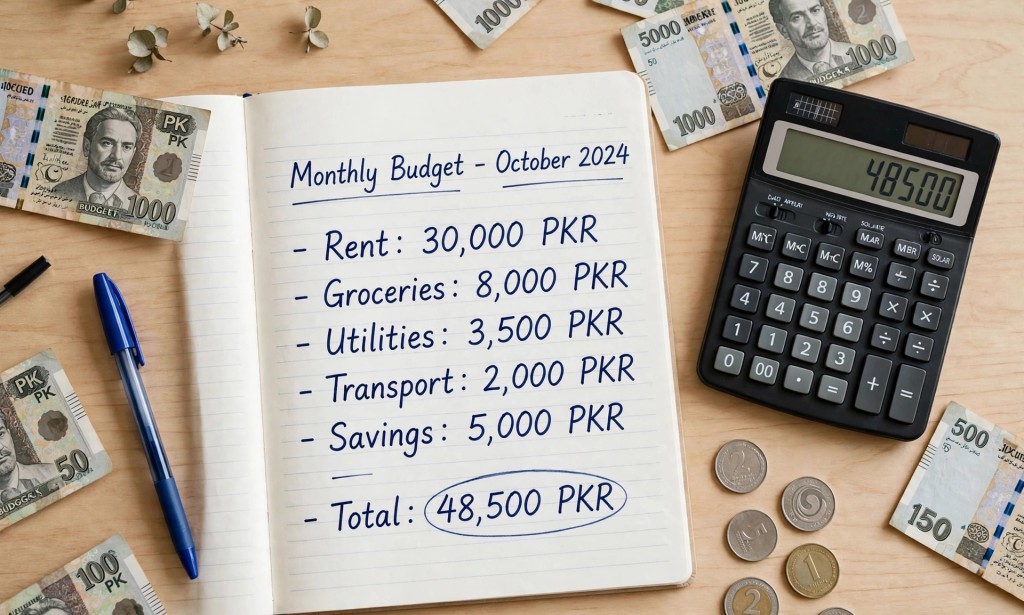
A monthly budget is one of the most effective tools for managing money.
Write down your total monthly income and divide your expenses into different categories.
For example:
Food and groceries
Housing and rent
Electricity and gas
Education
Transportation
Healthcare
Personal expenses
Savings
Your budget should reflect your actual financial situation. Do not create an unrealistic plan that makes everyday life difficult.
If your income is limited, focus on essential expenses first. A realistic budget helps you avoid unnecessary spending and understand your financial priorities.

3. Start Saving Small Amounts
One common mistake people make is waiting until they have extra money before starting to save.
Unfortunately, extra money does not always appear at the end of the month.
Instead, begin with a small amount that you can comfortably manage. It could be a few dollars, a small percentage of your income, or any amount that does not affect your essential needs.
The important thing is to develop the habit of saving regularly.
Small amounts may seem insignificant at first, but consistent saving can gradually create a useful financial cushion.
Remember, saving a little is better than saving nothing.
4. Make a Grocery Shopping Plan
Food is one of the largest expenses for many households.
Without a shopping plan, people often purchase unnecessary products, forget essential items, and spend more than expected.
Before visiting a grocery store, prepare a list of everything your household needs.
Compare prices, look for reasonable offers, and avoid purchasing products simply because they are advertised as discounts.
Planning meals for the week can also reduce food waste.
Use ingredients you already have at home before buying new ones. Simple home-cooked meals can often be more affordable than frequently ordering restaurant food.
5. Avoid Unnecessary Online Shopping
Online shopping has made purchasing products easier than ever.
With only a few clicks, people can buy clothes, accessories, electronics, and household items.
However, easy shopping can also encourage unnecessary spending.
Before purchasing something, ask yourself three questions:
Do I really need this product?
Can I afford it without affecting my budget?
Can I find a more affordable alternative?
If you are unsure, wait 24 hours before making the purchase.
This simple habit can help prevent emotional spending and unnecessary expenses.
6. Reduce Electricity and Utility Bills
Household utility bills can consume a significant portion of monthly income.
Fortunately, small changes in daily habits may help reduce these costs.
Turn off lights when leaving a room. Unplug unused electrical devices where appropriate. Use energy-efficient lighting and avoid running appliances unnecessarily.
During hot weather, use cooling appliances thoughtfully. In winter, make use of natural sunlight whenever possible.
You do not need to sacrifice your family's comfort. The goal is to avoid wasting electricity, gas, and water.
7. Avoid Unnecessary Debt
Debt can become a serious financial burden when repayments and additional charges consume money needed for daily living.
Before borrowing money, carefully consider whether the expense is essential and whether you will be able to repay it.
Avoid borrowing simply to purchase things that are not necessary.
If you already have debt, write down the total amount, repayment dates, and any applicable charges.
Make a realistic repayment plan. Prioritize urgent obligations and seek trustworthy financial guidance if your debt becomes difficult to manage.
Responsible borrowing and careful planning can help protect your future income.
8. Find Ways to Increase Your Income
Reducing expenses is important, but sometimes the biggest improvement comes from increasing your income.
Consider learning a skill that can help you earn additional money.
Depending on your abilities and available time, possibilities may include:
Online writing
Graphic design
Tutoring
Translation
Virtual assistance
Handmade products
Small home-based businesses
Start with something you understand and can manage without making a large financial investment.
Be careful of online opportunities that promise guaranteed income or ask for registration fees before offering work.
Building a useful skill takes time, but it may create better opportunities in the future.
9. Set Clear Financial Goals
Saving becomes easier when you have a clear reason for doing it.
Instead of simply saying, "I want to save money," create specific goals.
For example, you may want to:
Build an emergency fund.
Save for your children's education.
Purchase something important for your home.
Prepare for unexpected medical expenses.
Save for a future family trip.
Write your goals somewhere visible.
Divide a large goal into smaller steps so that it feels achievable.
When you understand why you are saving, you may find it easier to avoid unnecessary purchases.
10. Build an Emergency Fund
Unexpected expenses can happen at any time.
A family member may become ill, a household appliance may stop working, or an urgent repair may become necessary.
Without savings, these situations can create stress and force people to borrow money.
An emergency fund is money kept separately for unexpected essential expenses.
You do not need to build a large emergency fund immediately.
Start with a small target and increase it whenever your financial situation allows.
Over time, aim to save enough to cover several months of essential expenses.
Keep emergency savings somewhere safe and reasonably accessible.
11. Teach Your Family About Saving Money
Managing money becomes easier when the entire family understands the importance of responsible spending.
Talk openly with your spouse and older children about household priorities.
Teach children that money should be used thoughtfully. Explain the difference between needs and wants.
For example, food, school supplies, and necessary clothing are needs, while expensive toys and unnecessary accessories may be wants.
Encourage everyone to avoid wasting household resources.
Saving money should not become a reason for arguments or blaming family members. Instead, make it a shared goal that brings the family together.
12. Review Your Progress Every Month
A financial plan is only useful when you regularly review it.
At the end of each month, compare your actual spending with your budget.
Ask yourself:
Did I spend more than planned?
Which expenses could I reduce?
Did I manage to save anything?
What can I improve next month?
Do not feel discouraged if you cannot save money every month.
Some months bring unexpected expenses, and that is a normal part of life.
The important thing is to learn from your experience and continue making thoughtful decisions.

Why Financial Discipline Matters More Than a High Income
A high income does not automatically guarantee financial security.
Some people earn a great deal of money but spend everything they receive. Others earn modest incomes and carefully manage their resources.
Financial discipline means understanding your priorities, avoiding unnecessary expenses, planning for the future, and making responsible decisions.
It also means accepting that financial improvement takes time.
Do not compare your financial situation with someone else's lifestyle. You may not know their responsibilities, debts, or personal circumstances.
Focus on your own progress instead.
Final Thoughts
Saving money on a low income is not always easy, but it is a valuable habit that can improve your financial future.
You do not need to make dramatic changes overnight. Begin with simple steps: understand your expenses, create a realistic budget, reduce unnecessary purchases, and save whatever amount you can comfortably afford.
Remember that financial stability is built through patience, discipline, and consistent decisions.
Your income may be limited today, but the habits you develop now can help you make better financial choices in the years ahead.
Start small, stay consistent, and never underestimate the power of a good financial habit.
A better financial future does not begin with a large amount of money. It begins with a wise decision today.








Comments 0
Sign in to join the conversation.
No comments yet. Be the first to say something.