


Read this article till the end, you will find an easy way to save money.
These tips are for every student, job person and business person.
If you follow these tips, your money will never be wasted.[Say in two or three lines what the reader will be able to do after reading.]
What you need
Read this article till the end, you will find an easy way to save money. These tips are for every student, job person and business person. If you follow these tips, your money will never be wasted.
Make a monthly budget and divide your income into needs, wants and savings. First pay yourself by saving, then spend on important things. This habit will stop extra spending and help you save money every month.
Step 1: [first step]
The first step to manage money wisely is to spend less than you earn and save first. Many people spend their full salary and then try to save what is left, but in the end nothing is left. The smart way is to save money as soon as you get your income.
For example, if you earn 50,000, save at least 10,000 first and then manage your expenses with the remaining 40,000. This habit makes saving automatic and protects you from unnecessary spending. You should also keep your savings in a separate account or jar so you do not use it for daily shopping.
When you save first, you feel more secure because you always have money for emergencies, bills and future goals. It also teaches you self control and helps you understand the real value of money. Small savings today can become big savings tomorrow.
If you follow this one simple rule every month, your financial life will slowly become strong, stable and stress free.
Step 2: [second step]
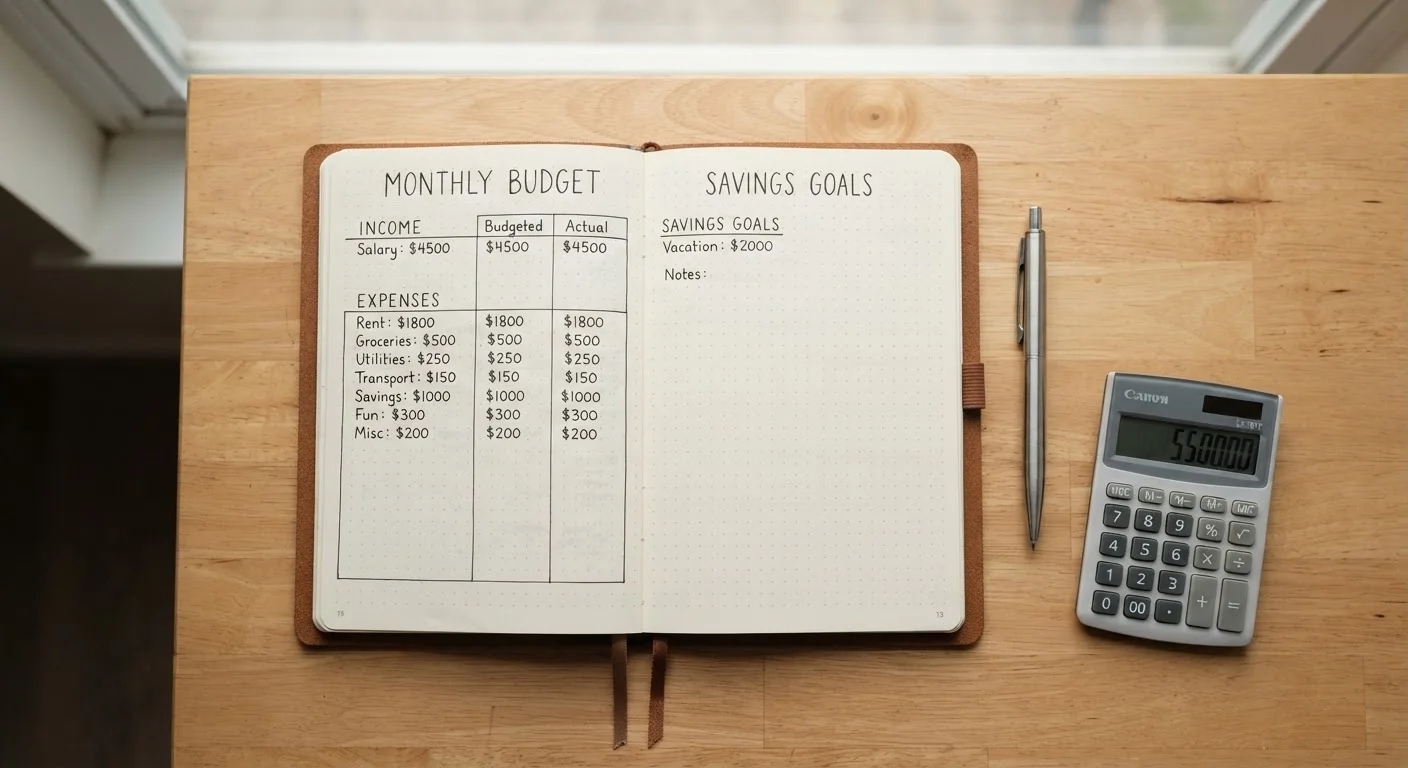
The second step is to make a simple monthly budget and follow it honestly. A budget is just a plan that tells you where your money will go before you spend it. First, write down your total income, then list your fixed expenses like rent, bills, food and transport.
After that, set a limit for shopping, eating out and entertainment. When you know your limit, you will think twice before buying anything extra. A budget also helps you find where your money is being wasted. For example, many people spend a lot on tea, snacks and online shopping without noticing.
If you track these small expenses, you can save a good amount every month. You do not need a fancy app, a simple notebook or mobile note is enough. Review your budget at the end of the month and see what went wrong.
Small improvements every month will make your budget stronger. With a clear budget, you will feel in control, avoid debt and save money for your future goals without stress.
Step 3: [third step]
The third step is to stop unnecessary spending and avoid impulse buying. Many times we buy things not because we need them, but because they look good, are on sale, or everyone else is buying them. This habit slowly eats all your savings. Before buying anything, ask yourself one simple question, do I really need this or do I just want it.
If it is only a want, wait for 24 hours. Most of the time, after one day you will feel that you do not need it at all. This small pause can save you thousands of rupees every month. Also avoid using credit cards and loans for shopping, because they make you spend more than you have.
Try to cook at home instead of ordering food daily, carry your own water bottle, and use free entertainment when possible. These small changes do not make your life boring, they make your wallet strong.
When you control your wants, your needs become easy to manage. You will have more money for savings, emergencies and your future dreams.

Common mistakes to avoid
One common mistake to avoid is spending money to impress others. Many people buy expensive clothes, phones and bikes just to show off, even when they cannot afford them. This habit creates debt and stress, but it does not bring real happiness. Remember, people forget your things, but your savings stay with you.
Another mistake is not tracking small daily expenses. A cup of tea, snacks, ride hailing and online food may look small, but together they can take a big part of your salary. If you do not write them down, you will never know where your money goes.
The third mistake is taking loans for unnecessary things. Borrowing money for a wedding, a new phone or a holiday may feel easy today, but paying interest later becomes very painful. Always try to live within your income.
The fourth mistake is having no emergency fund. Life is uncertain, medical bills, job loss or bike repair can come anytime. If you have no savings, you will be forced to borrow.
The last mistake is delaying saving. Many people say, I will save when my income increases. But income increases, expenses also increase. So start saving today, even if it is a small amount.
Conclusion
In conclusion, managing money is not about earning more, it is about using wisely what you already earn. If you save first, make a simple budget, and control unnecessary spending, your financial life will slowly become strong and stress-free.
You do not need to be rich to start. You just need discipline, patience, and small daily habits. Even saving a little amount every month is better than saving nothing. Over time, these small steps will build a big emergency fund, help you avoid debt, and give you freedom to achieve your dreams.
So start today, not tomorrow. Write your budget, save first, and think before you spend. Your future self will thank you for the smart choices you make today. Take control of your money, and your money will take care of you with confidence and peace.





Comments 0
Sign in to join the conversation.
No comments yet. Be the first to say something.