

1. Introduction
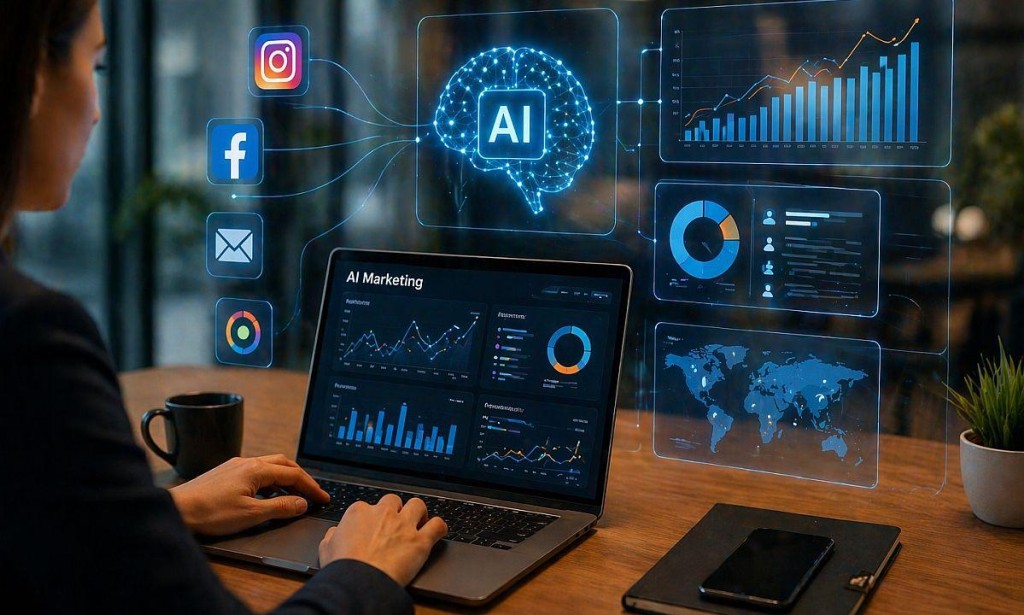
Artificial Intelligence (AI) is changing the way businesses communicate with customers, promote their products, and grow online. Digital marketing has become more competitive than ever, and businesses need smarter ways to reach their target audiences.
In the past, marketers spent hours researching keywords, writing content, managing social media accounts, and analyzing campaign performance. Today, AI-powered tools can help automate many of these tasks, saving time and improving productivity.
In 2026, AI is becoming an important part of digital marketing strategies. From search engine optimization to personalized advertising, businesses are using intelligent technologies to make better marketing decisions and improve customer experiences.
2. What Is AI in Digital Marketing?
AI in digital marketing refers to using intelligent computer systems to analyze information, understand customer behavior, generate content, and automate marketing activities.
These technologies can process large amounts of data and identify patterns that may be difficult for humans to discover manually.
For example, an AI-powered marketing tool can help a business understand which products customers are interested in, suggest suitable content topics, and identify opportunities to improve advertising campaigns.
AI does not replace every marketing activity. Instead, it gives marketers additional tools to work more efficiently and make informed decisions.
3. How AI Is Changing Search Engine Optimization (SEO)
Search Engine Optimization (SEO) is one of the most important areas of digital marketing. It helps websites appear in search engine results when people search for relevant information, products, or services.
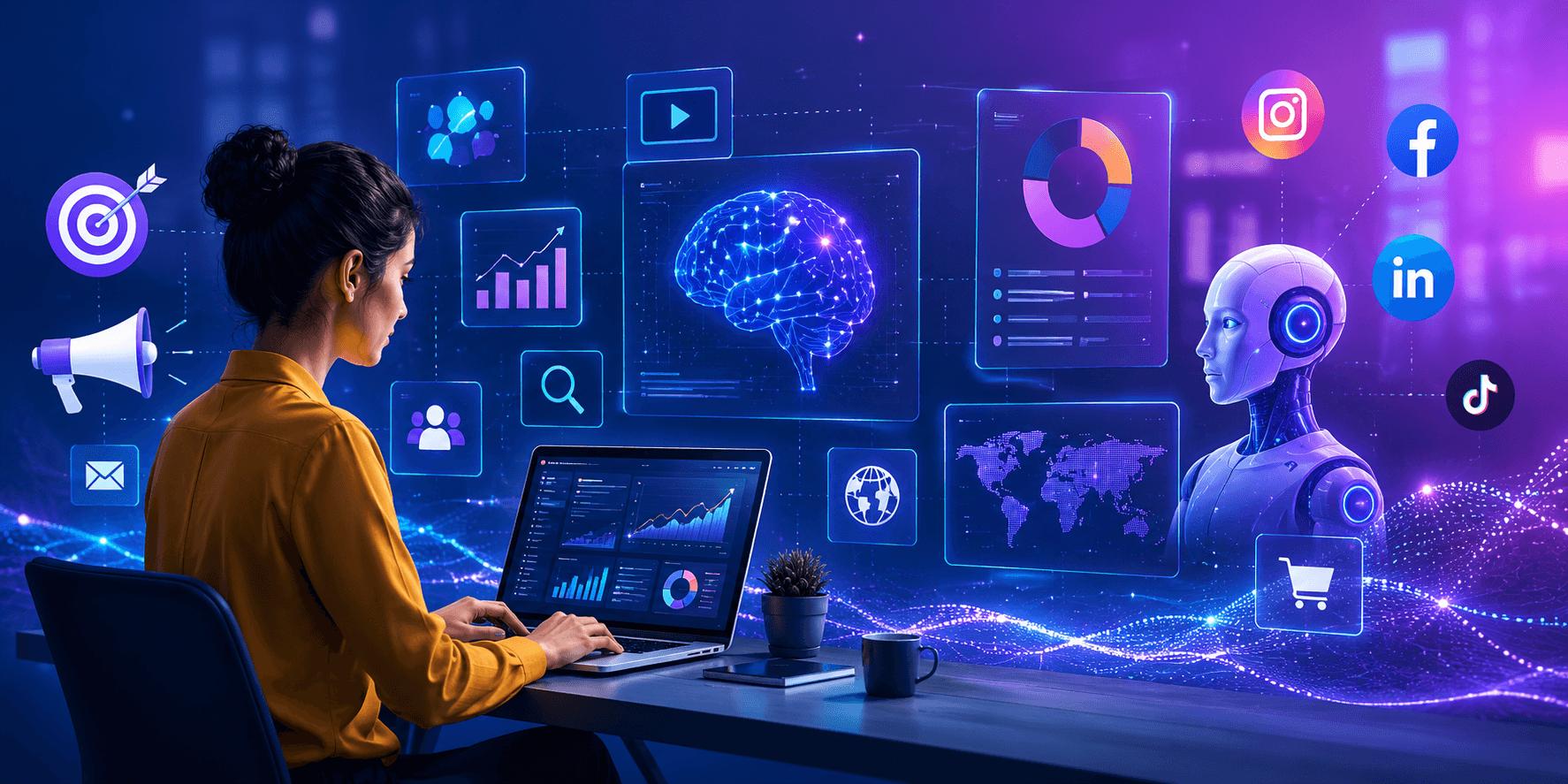
AI is helping SEO professionals understand search intent, research keywords, analyze competitors, and organize website content.
Some common applications include:
Finding relevant keyword opportunities.
Understanding what users want to know.
Identifying content gaps.
Improving website content structure.
Analyzing website performance.
Finding technical SEO issues.
However, using AI to generate large amounts of content without checking quality is not a good SEO strategy. Search engines focus on helpful, reliable, and people-first content.
Businesses should use AI as an assistant while ensuring that their articles provide genuine value to readers.
4. AI-Powered Content Creation
Content marketing is an essential part of building an online presence. Businesses regularly publish articles, product descriptions, social media posts, and website content to attract potential customers.
AI tools can make content creation faster and more organized.
For example, marketers can use AI to:
Generate article ideas.
Create content outlines.
Write initial drafts.
Improve grammar and readability.
Prepare product descriptions.
Develop social media captions.
Repurpose existing content into different formats.
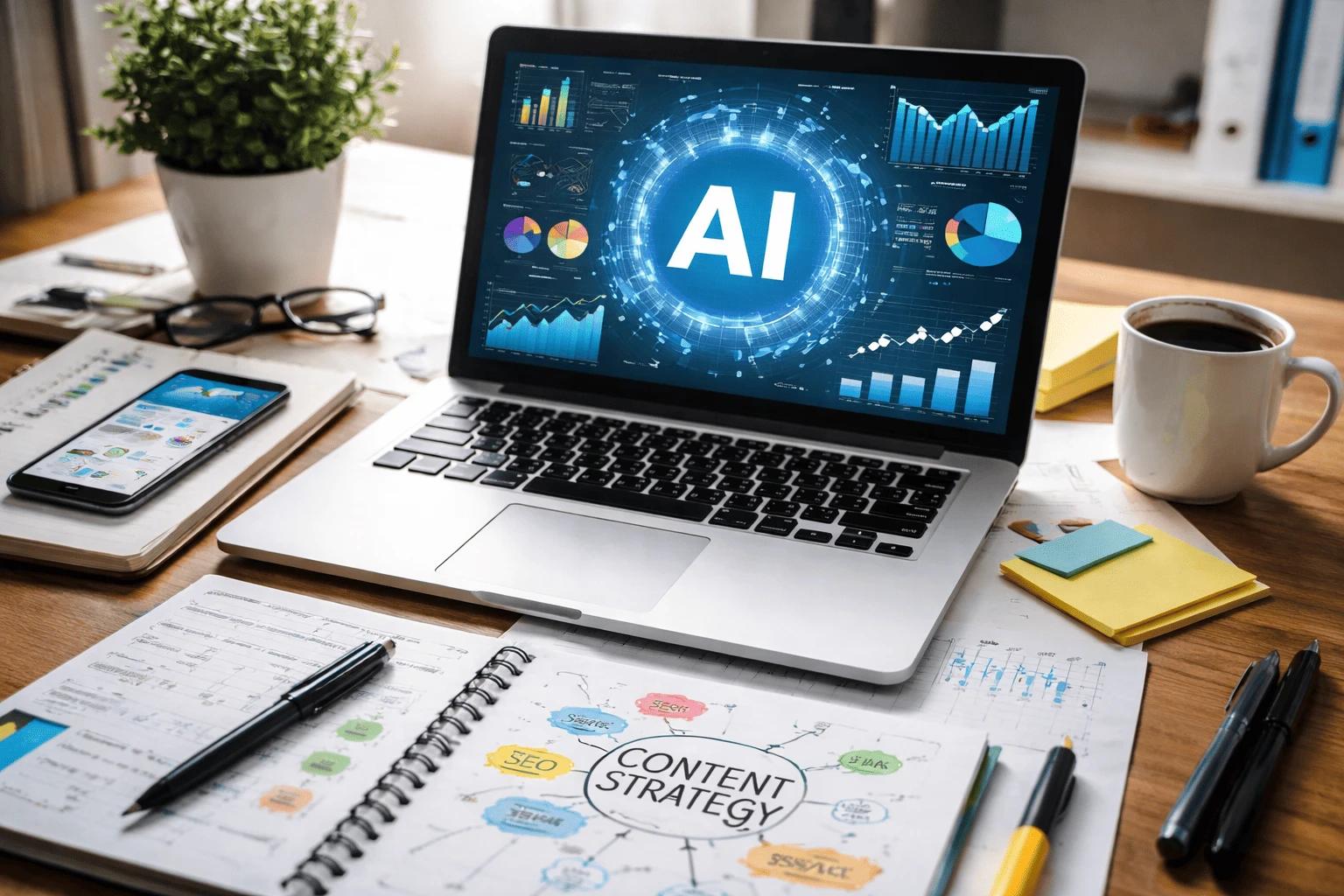
Despite these advantages, AI-generated content should always be reviewed before publication. Marketers need to check facts, remove unnecessary information, improve originality, and add their own knowledge and experience.
The best results come from combining human creativity with AI assistance.
5. Social Media Marketing and Automation
Social media platforms such as Facebook, Instagram, LinkedIn, TikTok, and YouTube help businesses connect with their audiences.
Managing multiple social media accounts can take considerable time. AI-powered automation tools can simplify several marketing activities.
Businesses can use these tools to prepare content calendars, generate captions, suggest hashtags, analyze engagement, and organize scheduled posts.
For example, an online clothing store can prepare a week's worth of social media content in advance. AI can help generate product captions, suggest promotional ideas, and identify suitable posting schedules.
However, businesses should not completely depend on automation. Responding to customers, understanding audience feedback, and maintaining a consistent brand personality still require human attention.
6. Personalized Advertising and Customer Targeting
Traditional advertising often shows the same message to a large audience. AI makes it possible to create more relevant advertising experiences based on customer interests and available data.
For example, an online shopping business can analyze customer interactions to understand which product categories receive the most attention.
AI can help marketers organize audience segments, test different advertisements, and identify which messages perform better.
Personalized marketing can improve customer engagement because people are more likely to respond to information that matches their interests.
However, businesses must handle customer information responsibly and follow applicable privacy regulations.
7. AI Chatbots and Customer Support
Customer support is another area where artificial intelligence is making a significant difference.
AI-powered chatbots can answer common questions, explain product features, provide basic order information, and guide customers through website services.
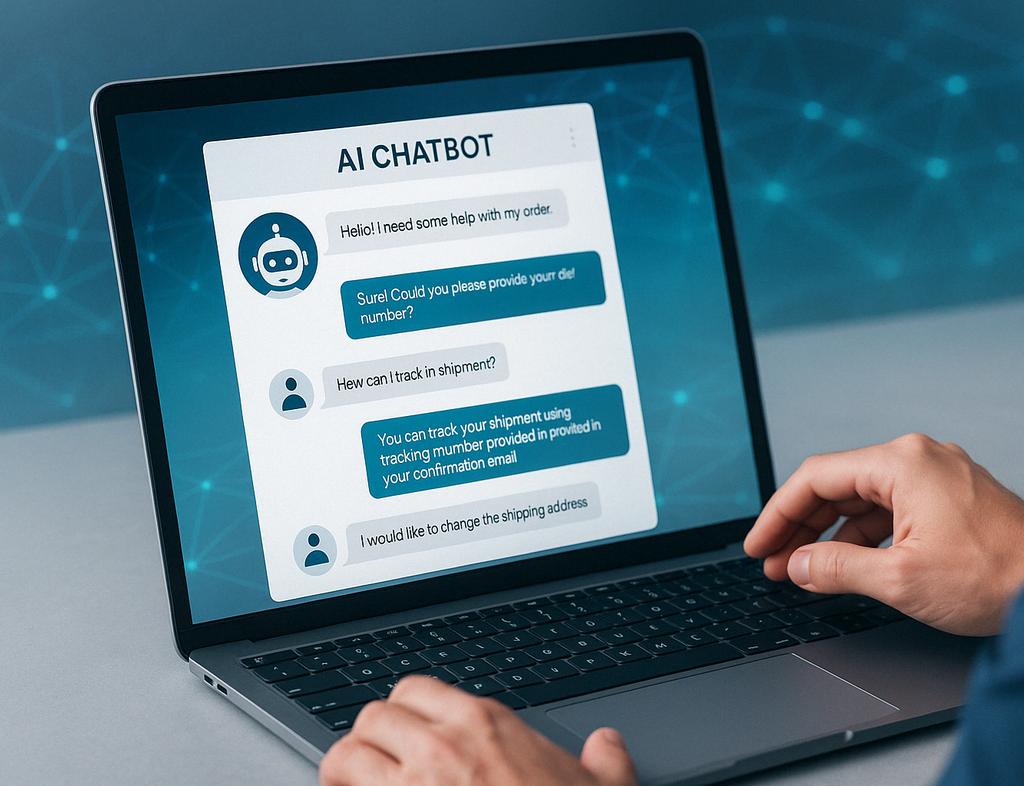
Consider an e-commerce website selling mobile phones and accessories. Customers may frequently ask about product prices, available colors, delivery times, and payment methods.
An AI chatbot can answer many routine questions automatically, even outside normal business hours.
This allows support teams to spend more time handling complicated customer problems.
However, chatbots should provide accurate information and offer customers a way to contact a human representative when necessary.
8. Popular AI Tools for Digital Marketers
Several AI-powered tools are helping marketers improve their daily workflows.
Here are some useful examples:
ChatGPT: Helps with content ideas, research assistance, writing outlines, marketing strategies, and customer communication.
Canva AI: Supports visual content creation and helps marketers prepare graphics for social media and promotional campaigns.
Grammarly: Helps improve grammar, spelling, clarity, and writing quality.
Semrush: Provides SEO research, keyword analysis, competitor insights, and website optimization features.
HubSpot: Offers marketing automation, customer relationship management, and AI-assisted marketing capabilities.
Each tool has different features, so businesses should choose solutions according to their goals, budgets, and requirements.
9. Challenges of Using AI in Digital Marketing
Although AI provides many benefits, businesses should understand its limitations.
One major challenge is accuracy. AI systems can sometimes produce incorrect information, so important facts should always be verified.
Another challenge is originality. Publishing generic AI-generated content without meaningful improvements can make a website less valuable to readers.
Data privacy is also important. Businesses should protect customer information and use marketing technologies responsibly.
Furthermore, excessive automation can make communication feel impersonal. Customers still appreciate genuine conversations and helpful human support.
Successful businesses understand that AI works best when combined with human creativity, experience, and judgment.
10. The Future of AI in Digital Marketing
The future of digital marketing will likely involve even greater use of intelligent technologies.
AI-powered systems are becoming more capable of understanding customer needs, analyzing marketing performance, assisting with creative work, and supporting business operations.
Voice search, conversational AI, predictive analytics, and personalized customer experiences are areas that marketers should continue exploring.
Small businesses can also benefit from these developments. They do not always need large marketing teams to organize their online activities. Affordable AI tools can help them manage content, understand audiences, and improve their marketing processes.
However, long-term success will depend on more than technology. Businesses will still need clear strategies, trustworthy information, quality products, and strong relationships with customers.
Conclusion
Artificial Intelligence is transforming digital marketing by making many activities faster, more organized, and data-driven. From SEO and content creation to social media automation and customer support, AI offers useful opportunities for businesses of different sizes.
However, AI should be treated as a supporting technology rather than a complete replacement for human marketers.
Businesses that combine intelligent tools with creativity, reliable information, and a customer-focused approach will be better prepared for the changing digital landscape in 2026.
External Resources:








Comments 0
Sign in to join the conversation.
No comments yet. Be the first to say something.