


Education is an important part of life, but good education is not only about reading books, attending classes, or getting high marks in examinations. A student's health, daily routine, mental well-being, and personal habits also play an important role in academic success.
Many students spend long hours studying, using mobile phones, completing assignments, and preparing for exams. Sometimes, they forget to take care of their physical and mental health. This can affect their concentration, energy, and ability to learn.
The good news is that students do not need to make huge changes to improve their lives. Small and consistent habits can help them become healthier, more focused, and more productive.
Here are ten useful habits that every student should consider following.
1. Start the Day with a Healthy Breakfast
Breakfast is an important part of a balanced daily routine. After sleeping throughout the night, the body needs energy to begin a new day.
Students who skip breakfast may find it difficult to maintain their energy levels, especially during busy school or college hours.
A healthy breakfast does not need to be expensive or complicated. Eggs, milk, yogurt, whole-grain bread, fruits, and oatmeal are some simple options.
Students should choose foods that suit their nutritional needs and daily routines. Having breakfast at a regular time can also help establish a more organized morning schedule.

2. Create a Proper Study Timetable
Managing time is one of the biggest challenges for students. Many students wait until examinations are near before starting their preparation.
A simple study timetable can make learning easier and reduce unnecessary pressure.
Students can divide their subjects into smaller study sessions and assign specific times to each subject. Difficult topics can be given extra attention, while easier topics can be revised regularly.
It is also important to include short breaks between study sessions.
A realistic timetable is better than a complicated schedule that is difficult to follow. Students should create a routine according to their classes, responsibilities, and personal needs.

3. Get Enough Sleep Every Night
Sleep is essential for physical health, memory, concentration, and learning.
Students who regularly stay awake late at night may experience tiredness, poor concentration, and difficulty remembering information.
According to general sleep recommendations, teenagers aged 13–17 usually need 8–10 hours of sleep, while adults generally need at least 7 hours.
To improve sleep habits, students can follow a regular bedtime, reduce screen use before sleeping, and keep their sleeping environment comfortable.
Instead of studying throughout the night before an examination, it is better to prepare gradually and get enough rest.
4. Exercise Regularly to Stay Active
Physical activity is important for students because it supports overall health and helps maintain energy.
Students do not necessarily need to join a gym or purchase expensive fitness equipment. Walking, cycling, playing sports, dancing, and simple home exercises are all useful ways to stay active.
Taking a short walk after studying can also provide a refreshing break.
Regular physical activity can support heart health, strengthen muscles, improve fitness, and contribute to emotional well-being.
Students should choose activities they enjoy so that exercise becomes a regular part of their lifestyle.

5. Eat Healthy and Balanced Meals
Food has an important connection with health and daily performance. Students need a balanced diet that provides essential nutrients.
A healthy eating routine can include vegetables, fruits, whole grains, protein-rich foods, dairy products, and healthy fats.
For example, students can include lentils, beans, eggs, chicken, fish, seasonal fruits, and vegetables in their meals.
It is also useful to limit excessive consumption of sugary drinks and highly processed snacks.
Healthy eating does not mean avoiding every favorite food. It means maintaining balance and making nutritious choices most of the time.
Students should also drink enough water throughout the day, especially during physical activities and hot weather.
6. Reduce Excessive Mobile Phone and Social Media Use
Mobile phones are useful educational tools, but excessive screen time can become a distraction.
Many students open social media while studying and end up spending more time scrolling than completing their assignments.
One practical solution is to keep the phone away during focused study sessions.
Students can also turn off unnecessary notifications and set specific times for checking social media.
Technology can be used positively for online classes, educational videos, research, language learning, and skill development.
The goal is not to stop using technology completely but to develop a healthy balance between online activities and real-life responsibilities.
7. Take Care of Mental Health
Academic pressure, examinations, family responsibilities, and personal problems can sometimes create stress among students.
Mental well-being deserves the same attention as physical health.
Students should make time for activities that help them relax, such as reading, walking, listening to music, writing, or spending time with friends and family.
Talking to a trusted teacher, family member, counselor, or healthcare professional can also help when problems become difficult to manage.
Students should remember that asking for help is not a weakness.
Every student has a different learning speed and personal journey. Comparing academic performance with others can create unnecessary pressure.
8. Keep Your Study Environment Clean and Organized
A clean study environment can make learning more comfortable.
Students should try to keep their desks, books, notebooks, and stationery organized. Keeping frequently used materials in one place saves time and reduces distractions.
Good lighting and a comfortable sitting position are also important.
It is helpful to keep food and drinks away from books and electronic devices to avoid accidental damage.
Students who study at home can create a small dedicated study area, even if they do not have a separate room.
An organized environment encourages better study habits and makes it easier to focus on important tasks.
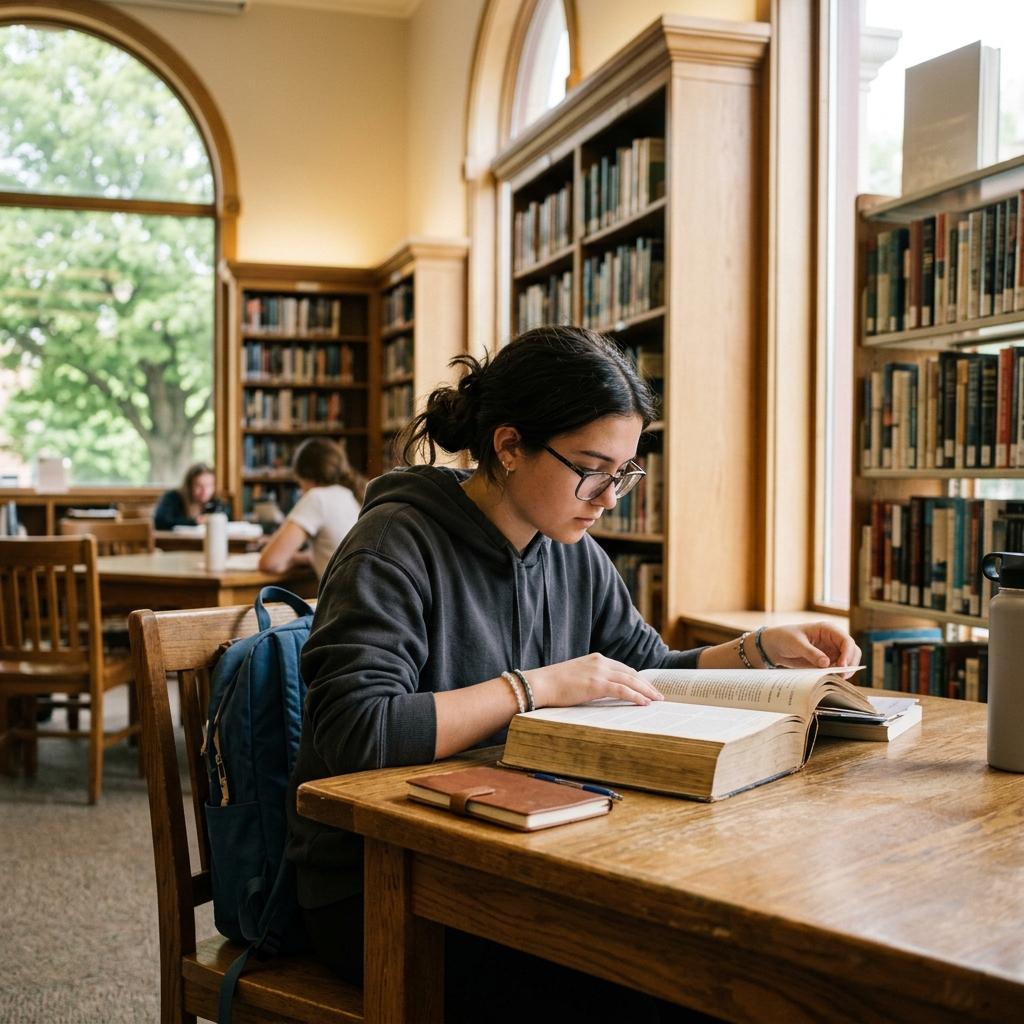
9. Develop Reading and Learning Habits
Education should not be limited to textbooks and examinations.
Reading books, newspapers, informative articles, and educational materials can help students develop knowledge and improve communication skills.
Students can also explore useful subjects outside their regular courses, such as computer skills, science, languages, business, and technology.
Online educational platforms provide opportunities to learn new skills from home.
Even spending 15–20 minutes a day reading something useful can make a positive difference over time.
The most important thing is to remain curious and develop a habit of continuous learning.
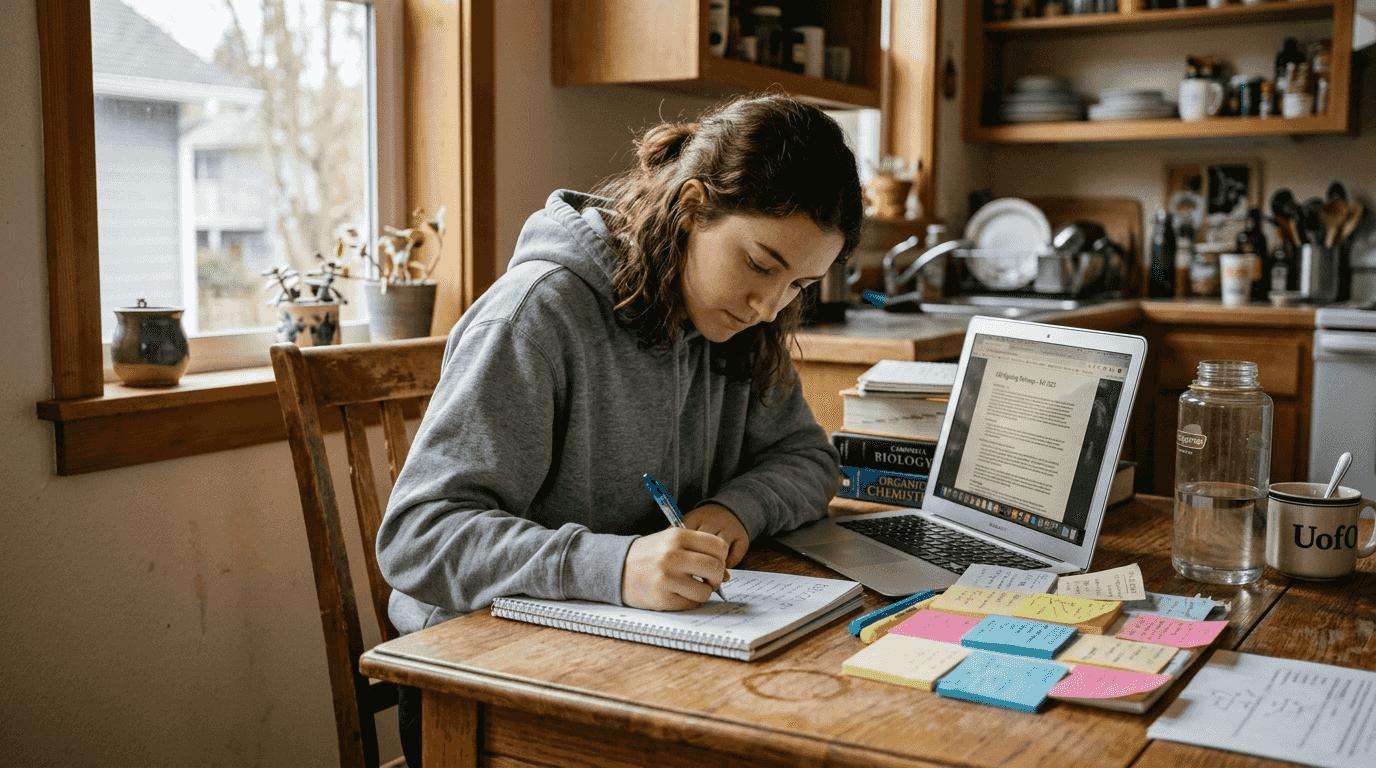
10. Maintain a Healthy Balance Between Study and Personal Life
Students sometimes become so focused on academic work that they forget about hobbies, relationships, and relaxation.
However, a balanced routine is important for long-term well-being.
Students should make time for family, friends, hobbies, exercise, and personal interests.
Planning daily tasks can help them complete their responsibilities without feeling that every moment must be spent studying.
It is also important to understand personal limits. Taking a break when feeling tired can be more productive than forcing yourself to continue working without concentration.
A successful student is not someone who studies every hour of the day. It is someone who learns to manage time, health, and responsibilities effectively.
Why Education and Health Should Go Together
Education and health are closely connected. A healthy student may find it easier to concentrate, participate in classroom activities, and manage academic responsibilities.
Similarly, education helps people understand health information, make informed decisions, and develop positive habits.
Schools, colleges, families, and communities can all play a role in encouraging healthier lifestyles among students.
Students should have access to clean drinking water, nutritious food, safe learning environments, physical activities, and appropriate health guidance.
Developing healthy habits during student life can also provide benefits that continue into adulthood.
Final Thoughts
Good education and good health should go hand in hand. Students do not need expensive products or complicated routines to improve their daily lives.
Eating balanced meals, getting enough sleep, exercising regularly, managing screen time, and following a proper study timetable are simple steps that can make a meaningful difference.
The most important thing is consistency. Start with a few healthy habits, follow them regularly, and gradually improve your routine.
Remember, academic success is important, but protecting your health and building a balanced life are equally valuable.
Staying informed about education, health, and social developments is also important for students. Reading reliable news and informative content can help young people understand the world around them. For more news and updates from Pakistan, readers can visit Mashriq News.







Comments 0
Sign in to join the conversation.
No comments yet. Be the first to say something.