

Mohenjo-daro represents one of the earliest examples of a highly developed urban civilization in the world. Located in the Sindh region of present-day Pakistan near the Indus River, this ancient city flourished around 2600 BCE and remained an important center for several centuries. Its name, meaning “Mound of the Dead,” reflects local legends, but archaeological evidence reveals a city full of life, innovation, and social order. The remains of Mohenjo-daro continue to astonish historians due to their advanced planning, engineering excellence, and organized lifestyle, which rival even some modern cities.

Discovery and Excavation of Mohenjo-daro
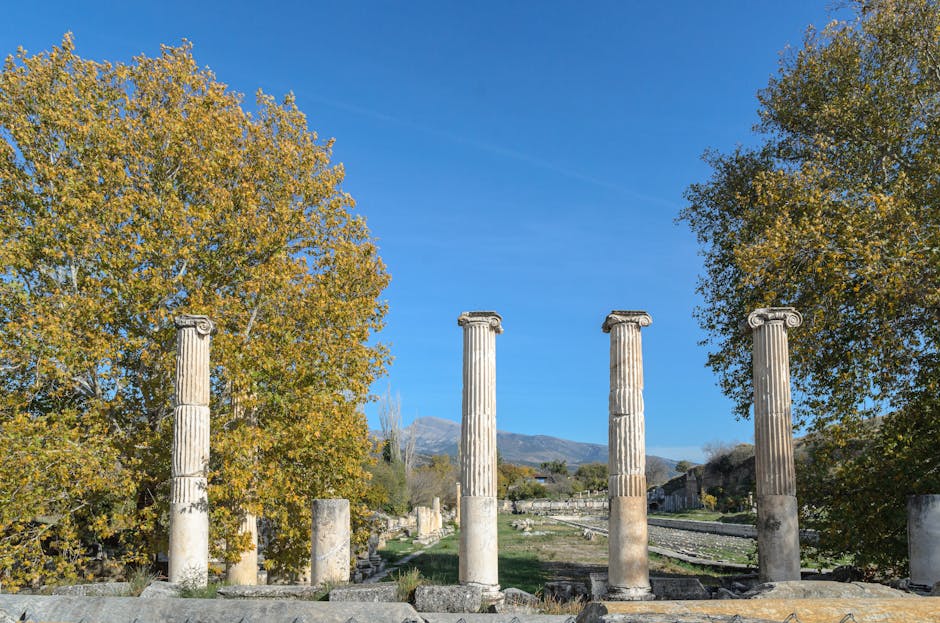
For centuries, Mohenjo-daro lay buried beneath layers of soil and sand, its existence unknown to the modern world. In 1922, archaeologist R. D. Banerji rediscovered the site during excavations carried out by the Archaeological Survey of India. This discovery marked a revolutionary moment in South Asian archaeology. Subsequent excavations revealed a vast city built with remarkable precision and planning.
The unearthing of Mohenjo-daro challenged earlier assumptions that ancient civilizations in the region were primitive. Instead, it revealed a society that had mastered urban planning, architecture, and civic management thousands of years before similar developments elsewhere.
Geographical Importance and Location
Mohenjo-daro was strategically located near the Indus River, which played a vital role in its development. The river provided fertile land for agriculture, a reliable water source, and an efficient route for trade and transportation. Seasonal flooding enriched the soil, enabling the cultivation of crops such as wheat, barley, and cotton.
The city’s location also connected it to other Indus Valley settlements, making it a central hub for trade, administration, and cultural exchange. This geographic advantage significantly contributed to its growth and prosperity.
Urban Planning and City Layout
One of the most remarkable aspects of Mohenjo-daro is its sophisticated urban planning. The city was laid out in a grid pattern, with wide, straight streets intersecting at right angles. This level of organization suggests the presence of a strong administrative authority overseeing city development.

The city was divided into two main parts: the Citadel and the Lower City. The Citadel was built on an elevated platform and housed important public buildings, while the Lower City contained residential neighborhoods. This separation reflects thoughtful planning and possibly social or administrative organization.
Architecture and Construction Techniques
Buildings in Mohenjo-daro were constructed using standardized baked bricks, which were uniform in size. This standardization points to advanced engineering skills and centralized control over construction materials. Houses ranged from small single-room dwellings to large multi-room homes with courtyards, indicating variations in wealth and social status.
Many houses were designed to provide privacy and ventilation, with rooms opening into inner courtyards rather than directly onto streets. This design reflects an understanding of climate, comfort, and family life.
Advanced Drainage and Sanitation System
Perhaps the most impressive feature of Mohenjo-daro is its advanced drainage and sanitation system. Almost every house had a private bathroom connected to a covered drainage network that ran beneath the streets. Wastewater was efficiently carried away, keeping the city clean and hygienic.
The drains were carefully constructed with removable covers, allowing regular cleaning and maintenance. This emphasis on cleanliness and public health was unprecedented in the ancient world and demonstrates the city’s commitment to communal well-being.
The Great Bath and Public Buildings
The Great Bath is one of the most iconic structures discovered at Mohenjo-daro. Built with finely laid bricks and waterproof materials, it features steps leading down into a large rectangular pool. Scholars believe it was used for ritual bathing, indicating the importance of purification and religious practices in the society.
Other significant public buildings include large granaries used for storing surplus food and assembly halls that may have served administrative or communal purposes. These structures highlight organized governance and collective responsibility.
Daily Life and Social Structure
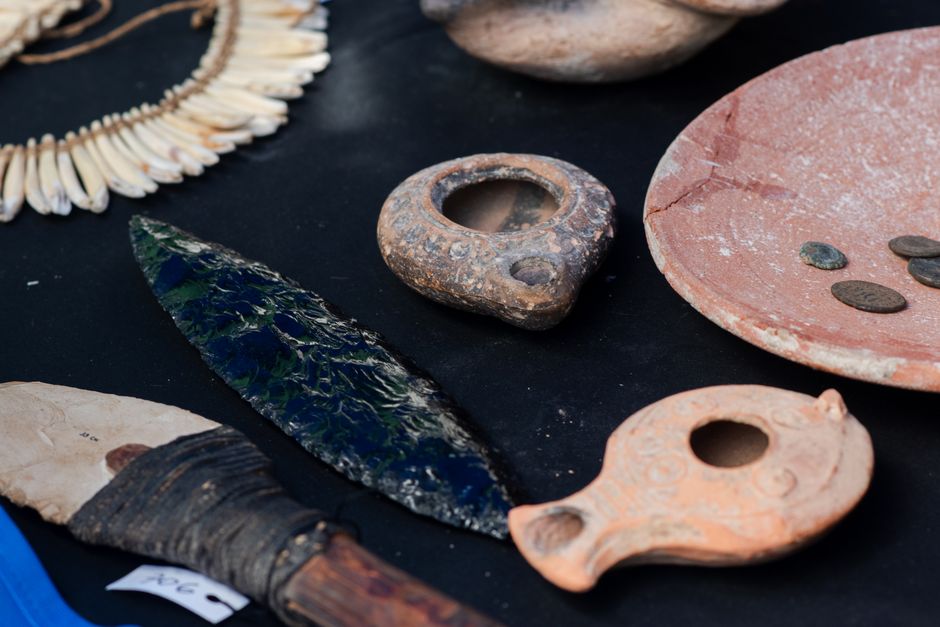
The people of Mohenjo-daro lived well-organized lives centered around family, work, and community. Archaeological findings suggest that men and women wore cotton garments and adorned themselves with jewelry made from gold, silver, beads, shells, and semi-precious stones.

Children’s toys, pottery, and household items reveal a society that valued craftsmanship and everyday comfort. The lack of grand palaces or royal tombs suggests a relatively egalitarian society with no extreme concentration of power.
Economy, Trade, and Craftsmanship
Mohenjo-daro was a thriving economic center supported by agriculture, craftsmanship, and trade. Farmers cultivated crops using advanced techniques, while artisans produced pottery, seals, tools, and ornaments.
Trade networks extended beyond the Indus region to Mesopotamia and other distant lands. Seals bearing unique symbols were used to mark goods and establish identity, indicating an organized trading system. Standardized weights and measures ensured fairness and consistency in commercial transactions.
Religion and Cultural Beliefs
Religion played an important role in the lives of the people of Mohenjo-daro, although their beliefs remain partially mysterious. Figurines of fertility goddesses suggest reverence for motherhood and nature. Animal motifs on seals point to symbolic or spiritual meanings.
The famous Pashupati Seal depicts a seated figure surrounded by animals, often interpreted as an early representation of a deity associated with meditation and nature. Ritual bathing, as suggested by the Great Bath, indicates a spiritual emphasis on purity.
Writing System and Communication
The Indus Valley people developed a unique script, visible on seals and tablets found at Mohenjo-daro. Although this script remains undeciphered, its widespread use suggests literacy and administrative record-keeping.

The symbols likely served economic, religious, or administrative purposes, further demonstrating the complexity of the civilization.
The Decline and Abandonment of Mohenjo-daro
Around 1900 BCE, Mohenjo-daro began to decline and was eventually abandoned. The exact reasons remain unknown, adding to the mystery of the city. Possible causes include climate change, repeated flooding of the Indus River, earthquakes, environmental degradation, or shifts in trade routes.
Unlike many ancient cities, there is little evidence of violent invasion or warfare. This suggests that natural or economic factors may have gradually forced the population to migrate elsewhere.
Rediscovery and Preservation Efforts
After its discovery, Mohenjo-daro became a focus of extensive archaeological research. Today, it is recognized as a UNESCO World Heritage Site. Preservation efforts continue, although the ruins face threats from erosion, weather, and rising groundwater levels.
Protecting this ancient site is essential for preserving human history and understanding early urban development.
Historical and Cultural Significance
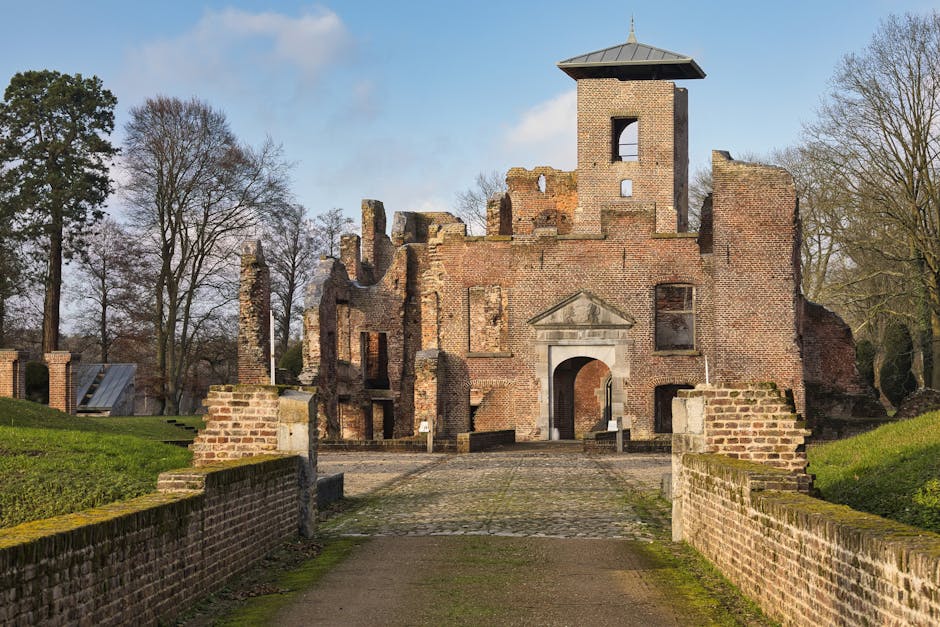
Mohenjo-daro fundamentally changed our understanding of ancient civilizations. It proved that advanced urban societies existed independently in South Asia, with achievements equal to those of Mesopotamia and Egypt.

Its legacy influences modern studies of city planning, sanitation, and social organization. Mohenjo-daro remains a symbol of human creativity, intelligence, and cooperation.
Conclusion
The history of Mohenjo-daro is a story of innovation, organization, and mystery. From its advanced city planning and sanitation systems to its thriving economy and rich cultural life, the city stands as a testament to early human brilliance. Although many questions remain about its decline, Mohenjo-daro continues to inspire scholars and historians worldwide. Understanding its history allows us to appreciate the deep roots of civilization and the remarkable achievements of our ancient ancestors.




Comments 0
Sign in to join the conversation.
No comments yet. Be the first to say something.