

Health in Pakistan: Challenges and Progress
Pakistan, the fifth most populous country in the world, faces significant health challenges due to a rapidly growing population, limited healthcare infrastructure, and widespread poverty. Despite progress in certain areas, the healthcare system struggles to provide adequate services to all citizens, particularly in rural and underprivileged areas. The country's health indicators, such as maternal and child mortality rates, malnutrition, and the burden of infectious diseases, reflect these challenges. However, recent efforts in healthcare reforms, immunization campaigns, and digital health initiatives offer hope for improvement.
Healthcare System in Pakistan
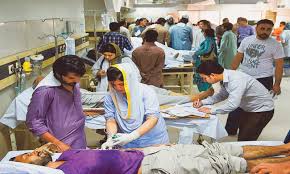
Pakistan's healthcare system is a mix of public and private services. The public sector, managed by the government, provides low-cost healthcare through hospitals, basic health units (BHUs), and rural health centers (RHCs). However, public hospitals often face issues such as overcrowding, lack of medical supplies, and insufficient staff. Due to these shortcomings, the private sector plays a major role in providing healthcare, with many people relying on private hospitals and clinics for better medical services, despite the high costs.
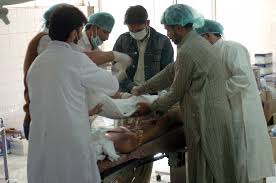
One of the major challenges in Pakistan’s healthcare system is the low allocation of funds. The government spends only about 1.2% of its GDP on healthcare, which is much lower than the recommended 5% by the World Health Organization (WHO). This underfunding affects the availability of essential medicines, infrastructure development, and healthcare worker salaries.
Major Health Issues in Pakistan
Pakistan faces a dual burden of communicable and non-communicable diseases.
1. Infectious Diseases:
Diseases such as tuberculosis, hepatitis, malaria, dengue, and typhoid are widespread in Pakistan. Poor sanitation, lack of clean drinking water, and inadequate healthcare facilities contribute to the spread of these diseases. The COVID-19 pandemic also highlighted weaknesses in Pakistan’s healthcare infrastructure, but it also led to increased awareness and investment in the health sector.
2. Maternal and Child Health:
Pakistan has one of the highest maternal and infant mortality rates in South Asia. Many women in rural areas lack access to proper prenatal and postnatal care, which leads to complications during childbirth. Malnutrition among children is another major concern, with high rates of stunting and wasting due to poor diet and lack of healthcare access.
3. Non-Communicable Diseases (NCDs):
Diseases such as diabetes, hypertension, heart disease, and cancer are on the rise in Pakistan due to unhealthy lifestyles, poor diet, and lack of awareness. Smoking and the use of tobacco products, including gutka and pan, contribute to a high prevalence of oral cancer.
4. Mental Health:
Mental health remains a neglected area in Pakistan. Depression, anxiety, and other psychological disorders are increasing, but there is a lack of mental health professionals and facilities. Social stigma also prevents people from seeking treatment.
Efforts for Improvement
Despite these challenges, Pakistan has made progress in several areas:
- Immunization Programs: The Expanded Program on Immunization (EPI) has helped increase vaccination rates for diseases such as polio, measles, and hepatitis. Pakistan is close to eradicating polio through extensive vaccination campaigns.
- Telemedicine and Digital Health: The rise of telemedicine services, especially after the COVID-19 pandemic, has improved healthcare access, particularly in remote areas.
- Health Insurance: The Sehat Sahulat Program provides free health insurance to low-income families, improving access to quality healthcare services.
While Pakistan’s healthcare system faces many challenges, there are ongoing efforts to improve health services and accessibility. Increased government investment, better infrastructure, and public health awareness campaigns can help address the country’s health issues and ensure a healthier future for its people.

You must be logged in to post a comment.