


For generations, matchmaking in Pakistan has followed a familiar script: family introductions, carefully curated tea trolley meetings, and a series of polite yet scrutinizing questions about career, education, and family background. Fast forward to today, and while this traditional approach still holds strong, dating apps have introduced a parallel world of possibilities—where profiles, swipes, and online conversations have become the modern equivalent of that first, nervous exchange over cup of chai.
But despite this shift, the journey towards change is far from over. The tension between modern dating culture and deep-rooted traditions continues, leaving many young Pakistanis navigating a tricky balance between societal expectations and personal preferences.
Dating Apps: A New Matchmaker in Town?
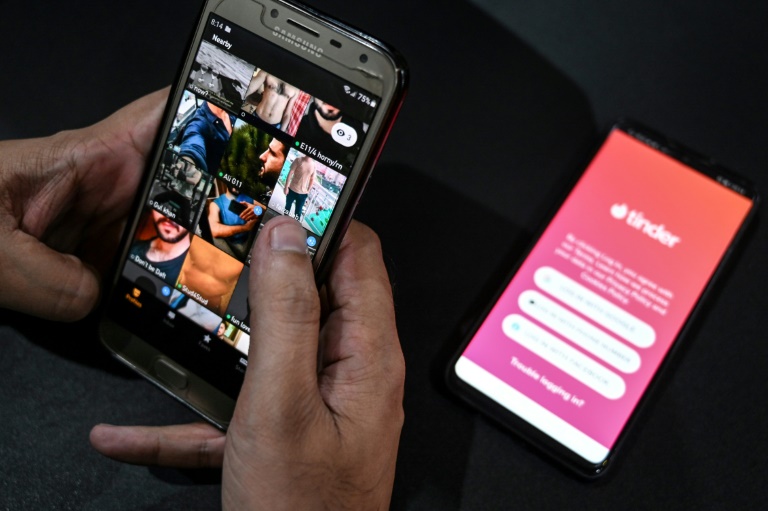
Dating apps in Pakistan aren’t just for casual flings like they are in the West. Here, they’ve taken on a much bigger responsibility—helping people find life partners, not just plus-ones. Platforms like Muzmatch, Salams, and Dil Ka Rishta cater specifically to those looking for a halal, serious approach to finding a spouse. Meanwhile, apps like Badoo and Tinder, though widely used, often remain taboo due to their association with casual dating.
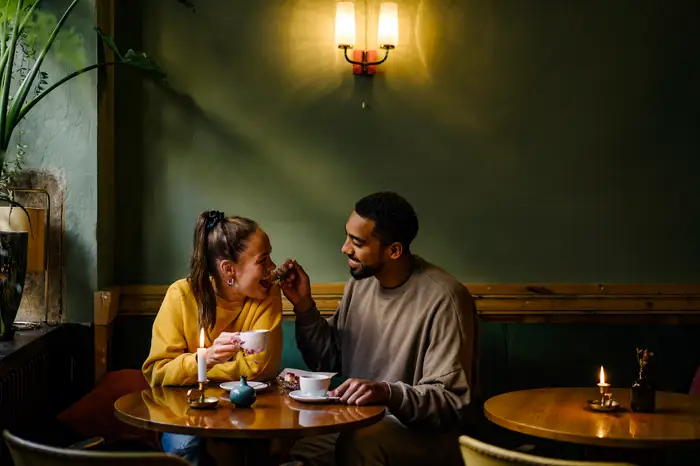
For many young Pakistanis, these platforms offer a level of control and autonomy they wouldn’t have in traditional setups. You get to choose who you talk to, filter potential partners based on shared interests, and take your time before involving family. But this freedom comes with challenges—how do you explain to your parents that you met your future spouse through an app, without raising eyebrows?
But is Pakistan Ready to Swipe Right?
This is where things get tricky. While dating apps give people more autonomy, they haven’t completely replaced family involvement. Many users keep their profiles hidden, use initials instead of full names, or—if we’re being honest—download the app, then delete it the moment their mother walks in.
The stigma is real, especially for women. If a guy is on a dating app, he's "exploring his options," but if a girl is on one? Astaghfirullah, what will people say? The double standard is alive and well. But with more success stories emerging, where couples proudly say they met online (and still had a proper baat pakki moment with their families), attitudes are slowly changing.
The Hybrid Approach: Old Meets New
So, what’s the solution? Turns out, many people are blending both worlds. They meet online but keep it traditional—introducing their families when things get serious, ensuring compatibility beyond just shared Spotify playlists. This “hybrid” method keeps things halal, modern, and—most importantly—parent-approved.
And let’s be real, whether you meet someone through an app or over a chai-fueled rishta meeting, the final challenge remains the same: convincing your family that they are the right one.
The Dark Side: Fraud, Catfishing, and Scandals
With every new opportunity comes misuse, and dating apps in Pakistan are no exception. While they provide a way to connect, they’ve also become a playground for scammers, fake profiles, and even blackmailers.
-
Fake Identities & Catfishing: Many users create fake profiles with misleading pictures, often pretending to be someone they’re not. This leads to emotional manipulation and, in some cases, financial scams.
-
Blackmail & Privacy Concerns: Some users, especially women, have faced harassment when their private conversations or pictures were misused for blackmail.
-

-
Financial Fraud: There have been cases where individuals have built trust through these apps, only to later demand money under false pretenses.
-
Extortion & Scandals: Some people exploit dating apps to trap others in compromising situations, later using the information against them.
Because of these risks, many people remain wary of online dating, fearing both social backlash and personal security threats.
What’s Next for Love in Pakistan?
While dating apps won’t completely replace arranged marriages anytime soon, they are changing the game. More people want a say in who they marry, and technology is making that possible. The road ahead isn’t without its bumps (and judgmental aunties), but one thing’s for sure—Pakistan’s marriage culture is evolving.
So whether you find love through a carefully arranged meeting or a perfectly crafted dating profile bio, one thing remains constant: In the end, Ammi ki dua is still the ultimate relationship blessing.

You must be logged in to post a comment.