

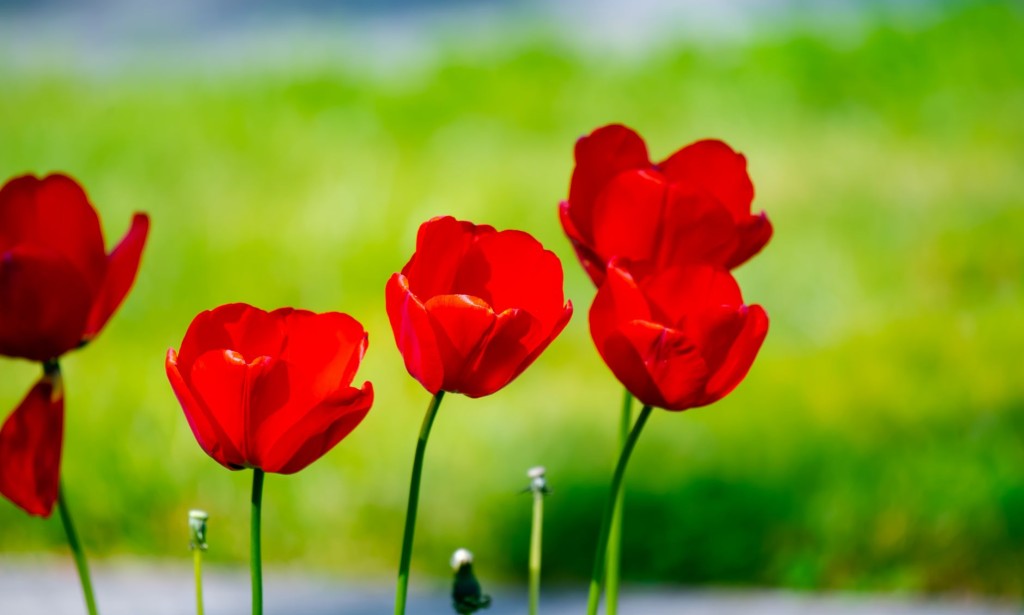
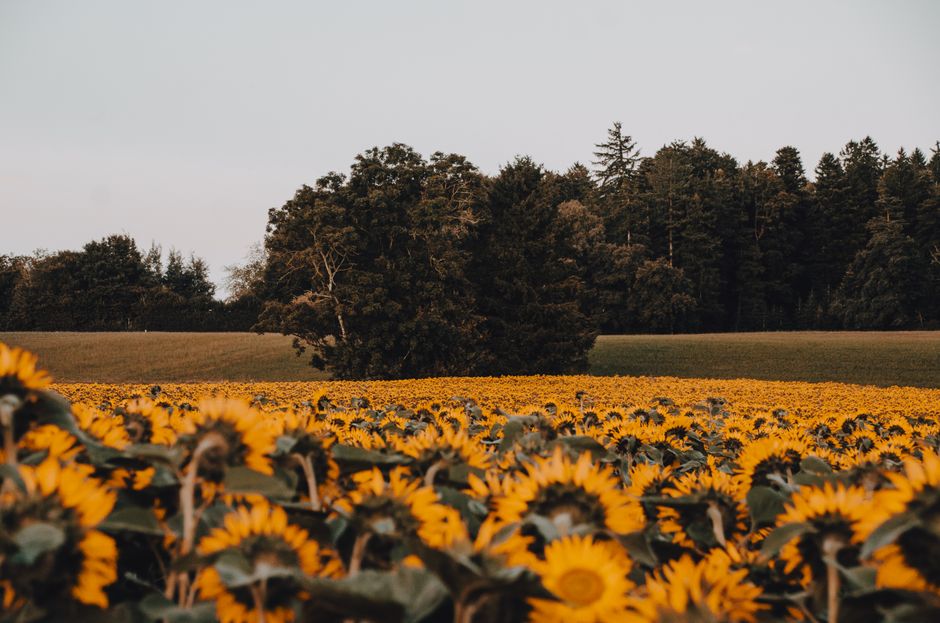
Introduction: Flowers are undoubtedly one of nature’s most beautiful and captivating creations. From the delicate petals of a rose to the striking vibrancy of a sunflower, flowers have the power to evoke emotions, spark creativity, and even bring comfort. Whether admired for their visual beauty, their enchanting fragrances, or their role in sustaining the ecosystem, flowers hold a special place in the hearts of people worldwide. They play an important part in nature’s intricate web, providing sustenance for pollinators, enriching landscapes, and offering medicinal and symbolic benefits.
Flowers have fascinated humankind for centuries. From ancient civilizations to modern-day gardens, they’ve been cherished in literature, art, and culture. This article will explore the many ways in which flowers captivate us, examining their varieties, ecological significance, and deep cultural symbolism.
The Beauty of Flowers: Color, Shape, and Fragrance
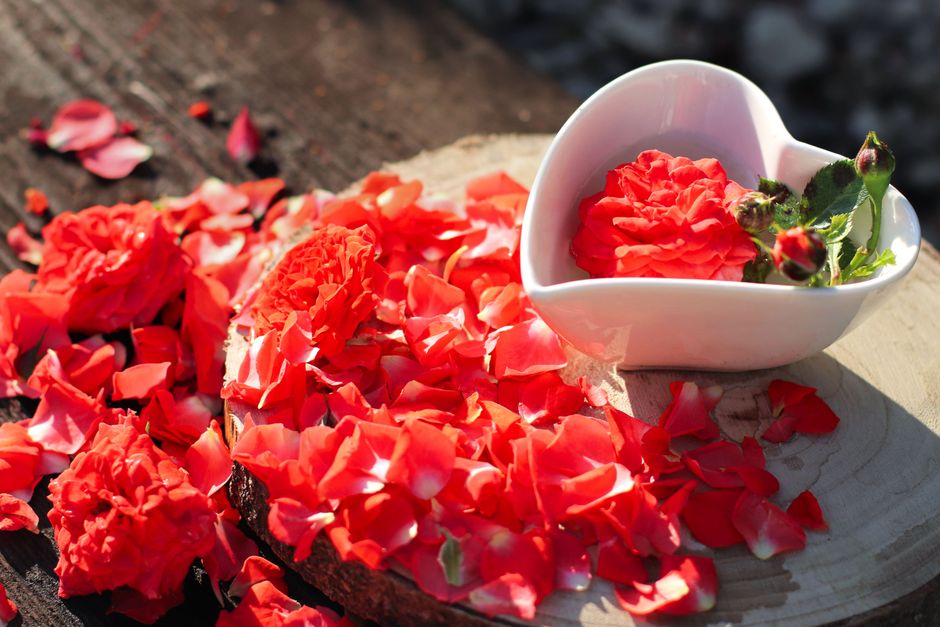
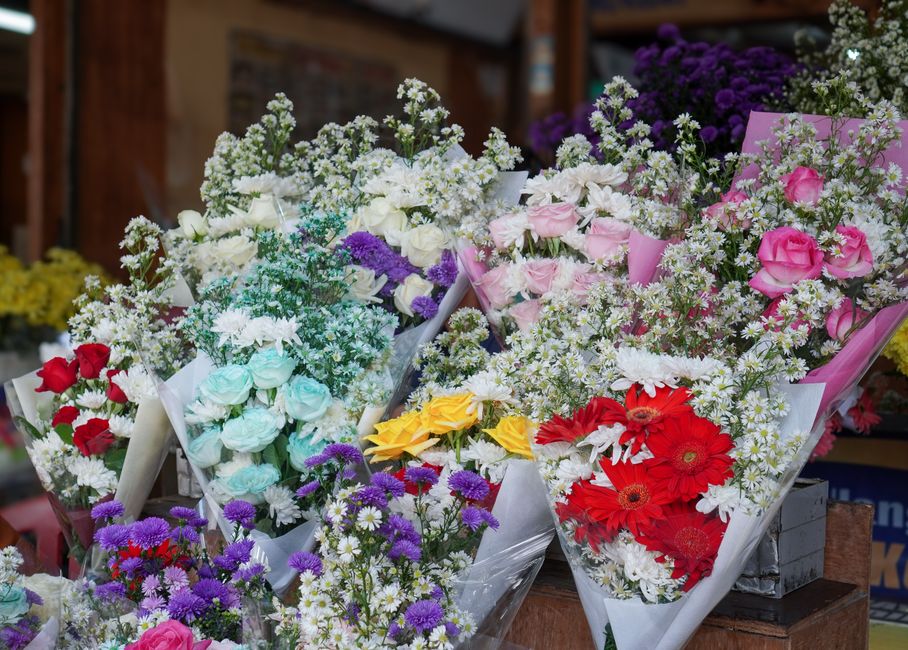
One of the most obvious reasons flowers captivate us is their sheer beauty. The variety of colors, shapes, and sizes available in the floral kingdom is endless. From the bright yellows and oranges of marigolds to the soft, pastel hues of lavender, flowers offer a spectrum of shades that add vibrancy to any environment. The diversity of their shapes—from the rounded, symmetrical petals of lilies to the spiky, intricate blooms of a thistle—ensures that each flower is a unique and intricate piece of art.
The fragrance of flowers is another factor that attracts us. A flower’s scent can evoke powerful emotions, transport us to a memory, or simply provide a sense of peace and tranquility. Fragrances like the sweet, calming scent of jasmine or the fresh, crisp fragrance of a gardenia have long been associated with comfort and relaxation. The sense of smell is closely linked to memory, and a specific flower’s scent can trigger powerful emotional responses. For this reason, flowers are commonly used in perfumes, aromatherapy, and household products.
Ecological Role of Flowers: Pollination and Beyond
While flowers are beloved for their aesthetics, they also play a crucial role in the environment. They serve as the reproductive organs of plants, producing pollen and nectar that attract pollinators like bees, butterflies, and birds. In fact, without flowers and their ability to attract pollinators, much of the world’s food supply would be at risk. Pollination is essential for the reproduction of many crops, fruits, and vegetables that humans rely on for sustenance.
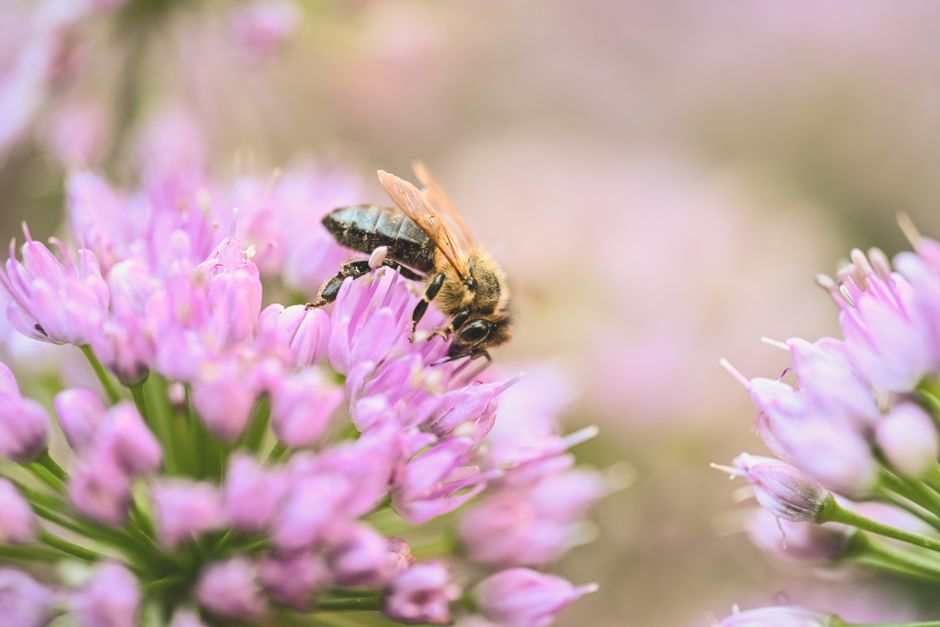
Bees, in particular, are critical to the pollination process, as they transfer pollen from one flower to another, facilitating fertilization and the production of seeds. Flowers, therefore, are not only a source of beauty but also a cornerstone of biodiversity and food security. The vibrant colors and sweet fragrances of flowers have evolved over time to attract these pollinators, ensuring the survival of plant species and supporting the intricate web of life on Earth.
Beyond their role in pollination, flowers also provide habitats for many insects, birds, and small animals. Flowering plants are often a source of food, shelter, and nesting materials for wildlife, making them a vital component of ecosystems worldwide. By supporting pollinators and other wildlife, flowers contribute to the overall health and balance of the environment.
Flowers in Culture anFlowers: Nature's Beautiful Creations That Captivate Us
Introduction: Flowers are undoubtedly one of nature’s most beautiful and captivating creations. From the delicate petals of a rose to the striking vibrancy of a sunflower, flowers have the power to evoke emotions, spark creativity, and even bring comfort. Whether admired for their visual beauty, their enchanting fragrances, or their role in sustaining the ecosystem, flowers hold a special place in the hearts of people worldwide. They play an important part in nature’s intricate web, providing sustenance for pollinators, enriching landscapes, and offering medicinal and symbolic benefits.
Flowers have fascinated humankind for centuries. From ancient civilizations to modern-day gardens, they’ve been cherished in literature, art, and culture. This article will explore the many ways in which flowers captivate us, examining their varieties, ecological significance, and deep cultural symbolism.
The Beauty of Flowers: Color, Shape, and Fragrance
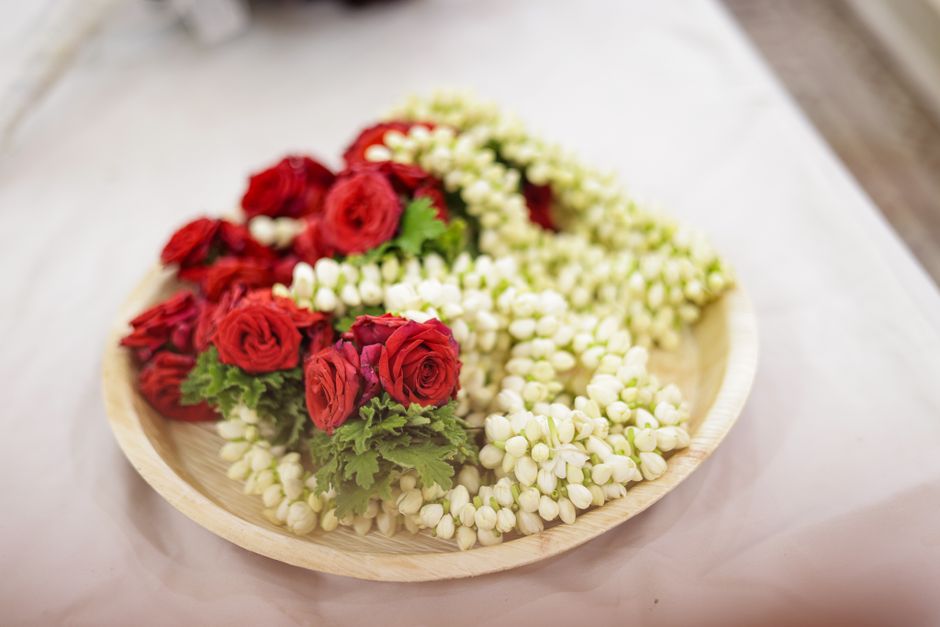
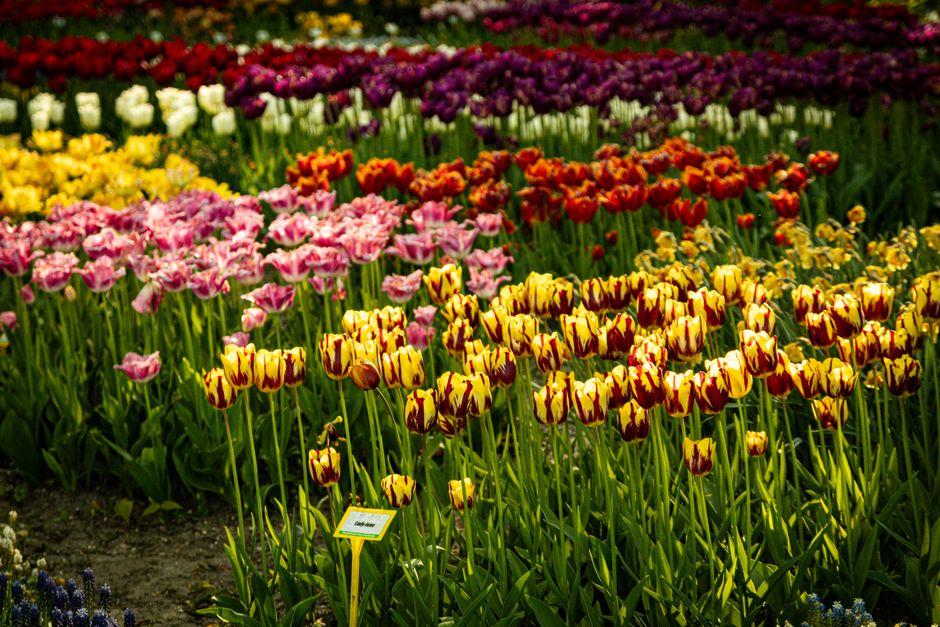
One of the most obvious reasons flowers captivate us is their sheer beauty. The variety of colors, shapes, and sizes available in the floral kingdom is endless. From the bright yellows and oranges of marigolds to the soft, pastel hues of lavender, flowers offer a spectrum of shades that add vibrancy to any environment. The diversity of their shapes—from the rounded, symmetrical petals of lilies to the spiky, intricate blooms of a thistle—ensures that each flower is a unique and intricate piece of art.
The fragrance of flowers is another factor that attracts us. A flower’s scent can evoke powerful emotions, transport us to a memory, or simply provide a sense of peace and tranquility. Fragrances like the sweet, calming scent of jasmine or the fresh, crisp fragrance of a gardenia have long been associated with comfort and relaxation. The sense of smell is closely linked to memory, and a specific flower’s scent can trigger powerful emotional responses. For this reason, flowers are commonly used in perfumes, aromatherapy, and household products.
Ecological Role of Flowers: Pollination and Beyond
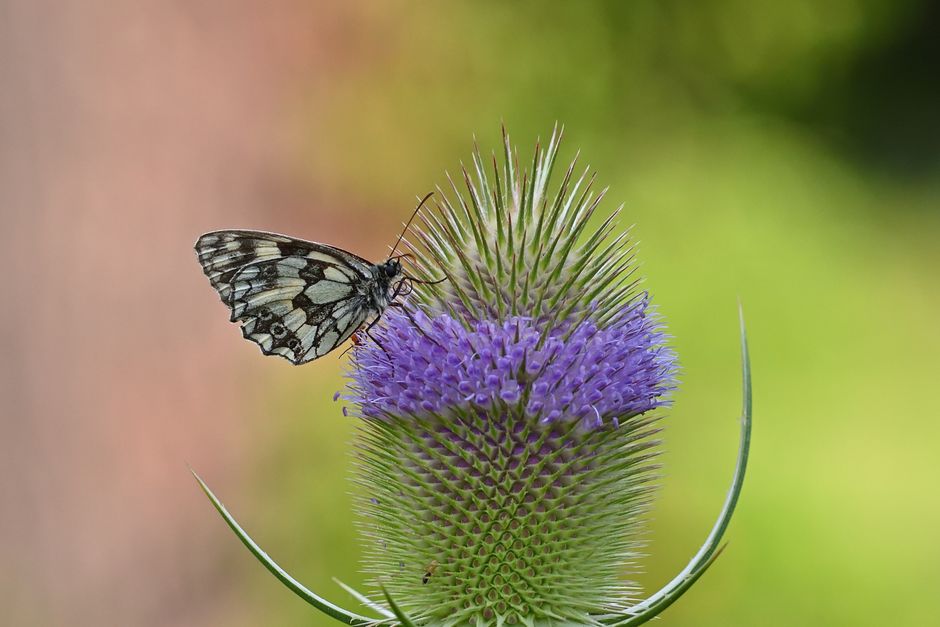
While flowers are beloved for their aesthetics, they also play a crucial role in the environment. They serve as the reproductive organs of plants, producing pollen and nectar that attract pollinators like bees, butterflies, and birds. In fact, without flowers and their ability to attract pollinators, much of the world’s food supply would be at risk. Pollination is essential for the reproduction of many crops, fruits, and vegetables that humans rely on for sustenance.
Bees, in particular, are critical to the pollination process, as they transfer pollen from one flower to another, facilitating fertilization and the production of seeds. Flowers, therefore, are not only a source of beauty but also a cornerstone of biodiversity and food security. The vibrant colors and sweet fragrances of flowers have evolved over time to attract these pollinators, ensuring the survival of plant species and supporting the intricate web of life on Earth.
Beyond their role in pollination, flowers also provide habitats for many insects, birds, and small animals. Flowering plants are often a source of food, shelter, and nesting materials for wildlife, making them a vital component of ecosystems worldwide. By supporting pollinators and other wildlife, flowers contribute to the overall health and balance of the environment.
Flowers in Culture and Symbolism
Flowers have long been imbued with meaning, symbolism, and cultural significance. Across the globe, different flowers have been associated with various traditions, ceremonies, and spiritual beliefs. The beauty and fragility of flowers have made them potent symbols of life, love, and renewal.
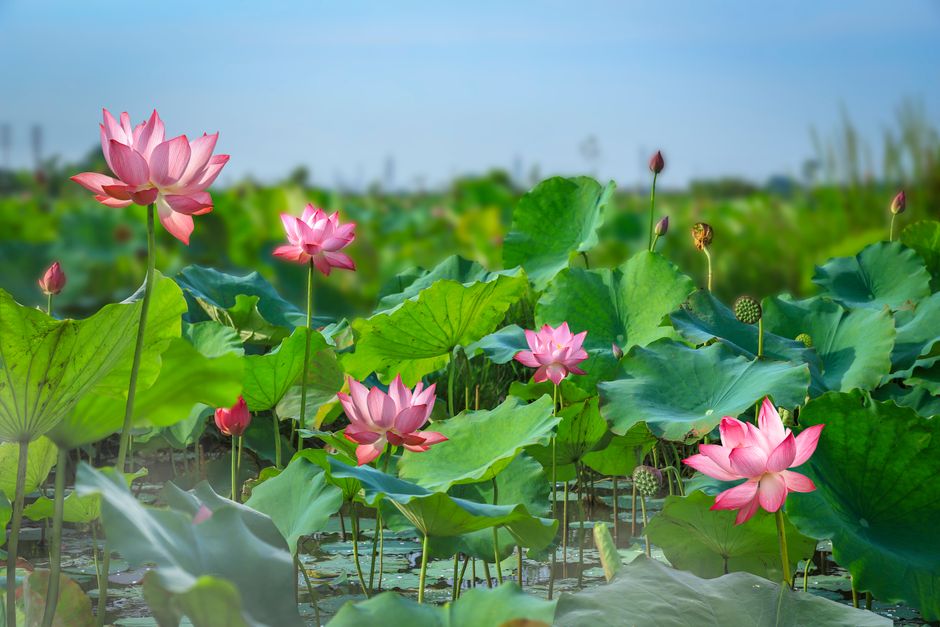
For example, in Western cultures, the rose is often seen as a symbol of love, with red roses representing passion and romance, while white roses signify purity and innocence. In Japan, the cherry blossom (sakura) is deeply symbolic of the fleeting nature of life, reflecting the country’s appreciation for the beauty in impermanence. In Hinduism, the lotus flower represents spiritual enlightenment and rebirth, and it is often associated with deities like Lakshmi and Vishnu.
Flowers also play a significant role in celebrations and rituals. Weddings, birthdays, and other milestones are often marked by the giving and receiving of flowers, as they represent joy, beauty, and the passage of time. Funeral services frequently incorporate flowers, as they symbolize the cycle of life and death, offering comfort and a reminder of the beauty in life.
In many cultures, flowers are also used in art and literature as a form of expression. Poets and artists have long drawn inspiration from flowers to convey emotions and ideas. The delicate beauty of a single bloom can evoke profound feelings of love, sorrow, hope, or loss, making flowers an enduring source of artistic inspiration.
Medicinal and Therapeutic Uses of Flowers
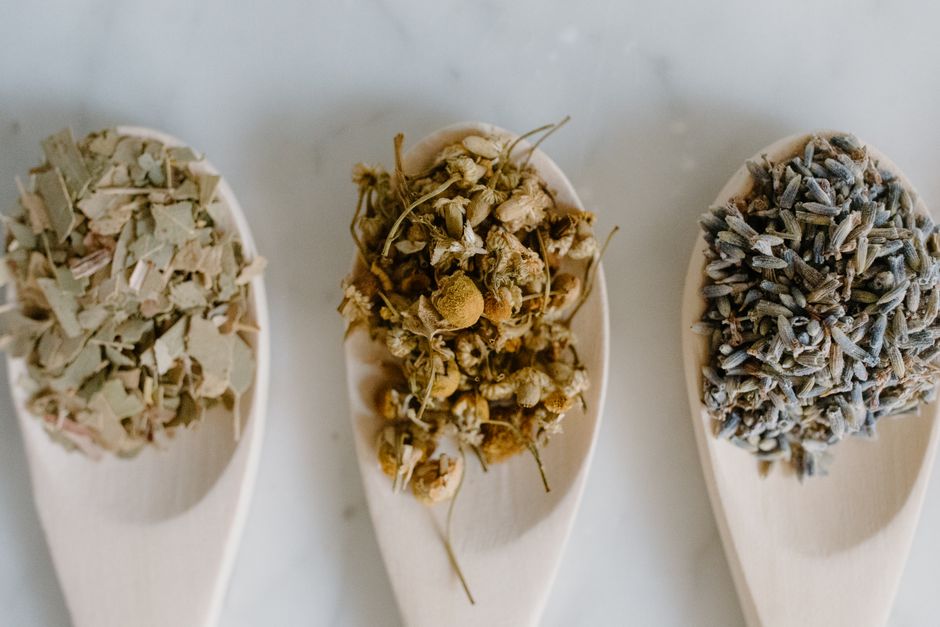
In addition to their aesthetic and symbolic value, flowers have been used for their medicinal properties for thousands of years. Various cultures have harnessed the healing potential of flowers, turning them into herbal remedies for a wide range of ailments. Flowers like chamomile, lavender, and calendula have been used to treat everything from anxiety and insomnia to digestive issues and skin conditions.
Lavender, for instance, is well known for its calming properties, often used in aromatherapy to reduce stress and promote relaxation. Chamomile flowers have been used to make soothing teas that can alleviate digestive discomfort and promote restful sleep. Similarly, the petals of calendula flowers are commonly used in topical creams to promote healing for cuts, burns, and skin irritations.
Beyond their therapeutic uses in herbal medicine, flowers also play a role in modern holistic practices like aromatherapy. Essential oils extracted from flowers such as rose, jasmine, and neroli are used to enhance emotional well-being, improve mood, and reduce stress. The therapeutic use of flowers demonstrates their profound impact not only on the visual and emotional levels but also on physical health.
The Future of Flowers: Conservation and Preservation
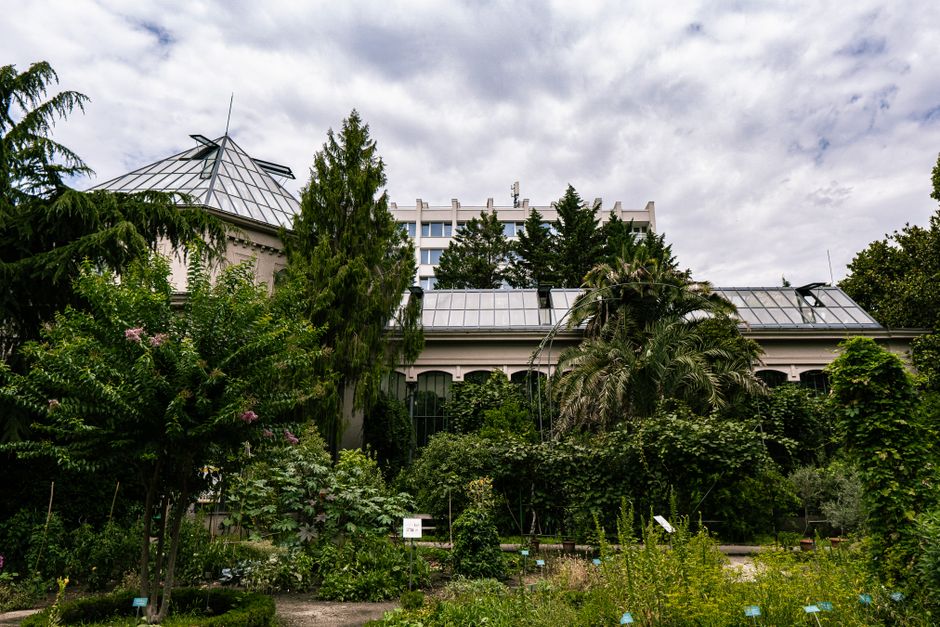
As human activity continues to impact the natural environment, many species of flowers are at risk of extinction. Habitat destruction, climate change, and pollution are threatening the delicate balance of ecosystems, placing numerous flower species in jeopardy. To preserve the beauty and ecological value of flowers, conservation efforts are essential.
Organizations worldwide are working to protect endangered flowers and their habitats, advocating for sustainable farming practices, and restoring native plant species. By planting native flowers in gardens, protecting wildflower meadows, and reducing the use of pesticides, individuals can play a role in helping preserve the diversity and beauty of flowers for future generations.
In addition to conservation efforts, the cultivation of flowers for commercial use, such as in the cut flower industry, has raised concerns about sustainability and environmental impact. The demand for flowers can contribute to overproduction, excessive water usage, and pesticide use. Supporting ethical and sustainable flower farming practices is an important step in reducing the ecological footprint of flower production.
Conclusion: Flowers as a Timeless Gift from Nature
Flowers are more than just a visual delight—they are a vital part of the natural world, with ecological, medicinal, and cultural significance that spans across centuries and cultures. Their colors, shapes, and fragrances continue to captivate us, evoking emotions and inspiring creativity. Beyond their beauty, flowers play a crucial role in the environment, supporting biodiversity and pollination, which are essential for food production and ecosystem health.







Comments 0
Sign in to join the conversation.
No comments yet. Be the first to say something.