

Table of Contents
- A Journey Through Mexico’s History
- The Wonders of Mexico’s Ancient Civilizations
- Celebrating Culture: Traditions and Festivals
- The Culinary Treasures of Mexico
- Natural Beauty: From Beaches to Mountains
1. A Journey Through Mexico’s History
Mexico’s history is a mosaic of indigenous cultures, colonial influences, and modern independence. Before Spanish colonization, the land was home to advanced civilizations like the Maya and the Aztecs, whose architectural and cultural legacies remain integral to the nation’s identity.
The arrival of Spanish conquistadors in the 16th century marked a new era, leading to the blending of indigenous and European traditions. The struggle for independence, achieved in 1821, and subsequent revolutions shaped Mexico into the resilient and vibrant nation it is today. Historical sites like Guanajuato and Puebla tell these stories, offering visitors a window into Mexico’s evolution.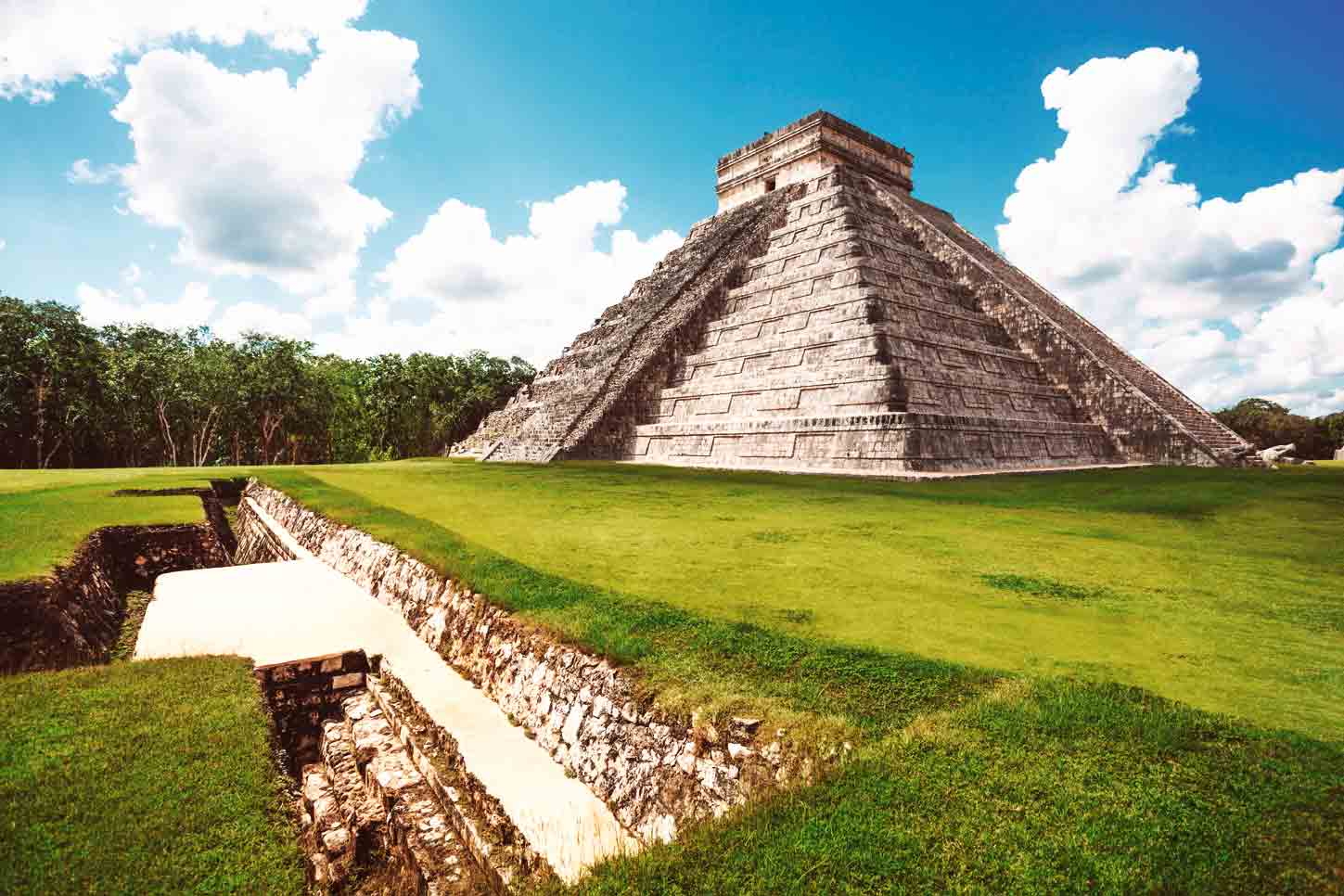
2. The Wonders of Mexico’s Ancient Civilizations
Mexico is a treasure trove of archaeological marvels. The iconic pyramids of Teotihuacan, the ancient city of Chichen Itza, and the jungle-clad ruins of Palenque stand as monuments to the ingenuity of pre-Columbian civilizations. These sites are UNESCO World Heritage wonders and provide insight into ancient knowledge of astronomy, architecture, and governance.
The Aztecs, Maya, Zapotecs, and other cultures left indelible marks on the landscape, with rituals, art, and architecture that continue to captivate the world. Exploring these ruins offers a journey through time, connecting modern visitors with Mexico’s deep-rooted heritage.

3. Celebrating Culture: Traditions and Festivals
Mexican culture is a vibrant tapestry of music, dance, and art. Festivals like Día de los Muertos (Day of the Dead) showcase Mexico’s unique perspective on life and death, featuring altars, parades, and marigolds.
Mariachi music, folk dances like Jarabe Tapatío, and crafts such as Talavera pottery reflect the country’s artistic spirit. Local markets burst with colorful textiles and handmade goods, embodying Mexico’s creativity and community-focused culture.
The combination of ancient traditions and modern expressions creates a cultural identity that is both dynamic and deeply rooted.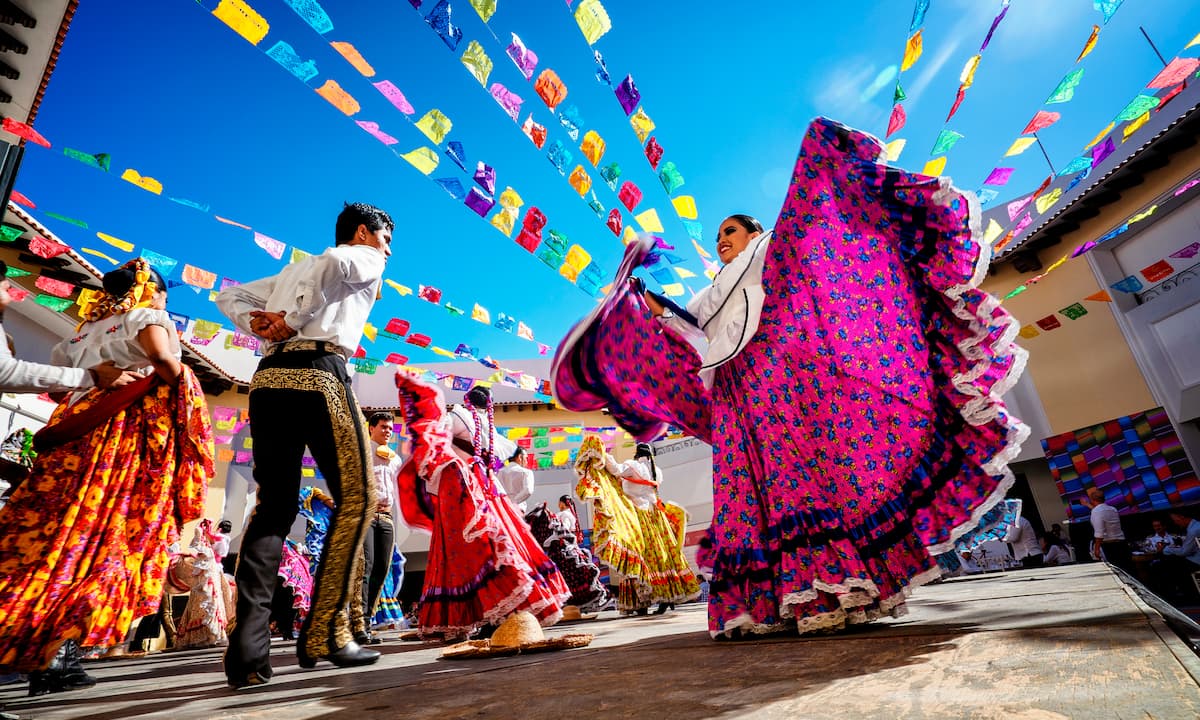
4. The Culinary Treasures of Mexico
Mexican cuisine is celebrated worldwide, and for good reason. Dishes like tacos, tamales, mole, and pozole are as diverse as the regions they originate from. Each state offers its own culinary specialties, enriched by local ingredients and techniques.
Street food, such as elotes (grilled corn) and churros, provides an authentic taste of Mexico’s everyday flavors. Beverages like tequila, mezcal, and horchata enhance the gastronomic experience. Mexico’s food culture, recognized by UNESCO as an Intangible Cultural Heritage, is a feast for the senses.
5. Natural Beauty: From Beaches to Mountains
Mexico’s diverse geography offers stunning natural landscapes, from the white sand beaches of Cancún to the rugged peaks of the Sierra Madre. The turquoise waters of Tulum, the pink lagoons of Las Coloradas, and the Copper Canyon’s vast expanse highlight the country’s breathtaking beauty.
Eco-tourism thrives in Mexico, with destinations like the Monarch Butterfly Biosphere Reserve and the cenotes of the Yucatán Peninsula drawing nature lovers. Whether it’s relaxing on a Pacific coast beach or hiking through lush jungles, Mexico offers endless adventures for outdoor enthusiasts.

You must be logged in to post a comment.