

Exploring the Spiritual Majesty: A Journey Through the Enchanting Masjid al-Aqsa
Masjid al-Aqsa, one of Islam’s most revered and sacred sites, holds a special place in the hearts of millions of Muslims around the world. Located in the Old City of Jerusalem, the mosque stands as a symbol of faith, history, and resilience. For centuries, it has been a focal point of religious pilgrimage, spiritual reflection, and cultural significance. Whether seen from the perspective of its architectural grandeur, its historical importance, or its spiritual allure, Masjid al-Aqsa remains an awe-inspiring testament to the rich spiritual heritage of the Muslim world.
The Historical Significance of Masjid al-Aqsa
The history of Masjid al-Aqsa is deeply intertwined with the spiritual journey of Islam and its early foundations. The mosque's significance is first introduced in the Qur’an, where it is mentioned as the "farthest mosque" in Surah Al-Isra (17:1). This verse refers to the miraculous Night Journey (Isra and Mi'raj) of the Prophet Muhammad (PBUH), where he was taken from the Kaaba in Mecca to Masjid al-Aqsa, before ascending to the heavens. This event, which holds immense spiritual meaning, solidified Masjid al-Aqsa’s place as a revered site for Muslims.
In addition to its connection to the Prophet Muhammad (PBUH), Masjid al-Aqsa holds profound historical importance as a center of worship for many prophets, including Prophet Ibrahim (Abraham), Prophet Dawood (David), and Prophet Sulayman (Solomon). The mosque's connection to these figures further amplifies its spiritual value, making it an important destination for pilgrims and scholars alike.
Throughout history, Masjid al-Aqsa has been a witness to various empires, including the Byzantine, Umayyad, Abbasid, and Ottoman periods. The mosque's rich architectural heritage reflects this diversity, showcasing the influences of multiple cultures and traditions that have shaped it over time. It stands as a living testament to the enduring legacy of Islamic civilization and its commitment to preserving sacred spaces.
The Architectural Majesty of Masjid al-Aqsa
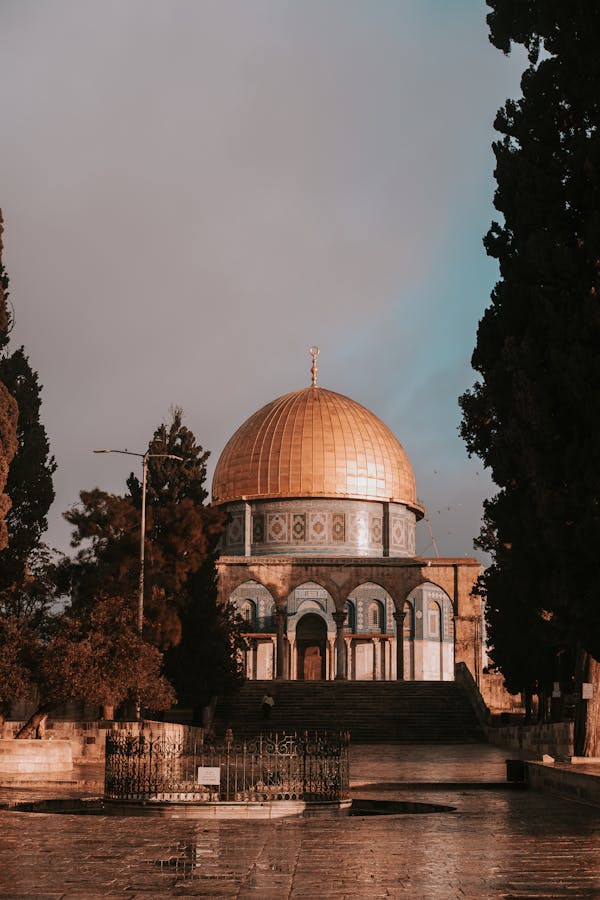
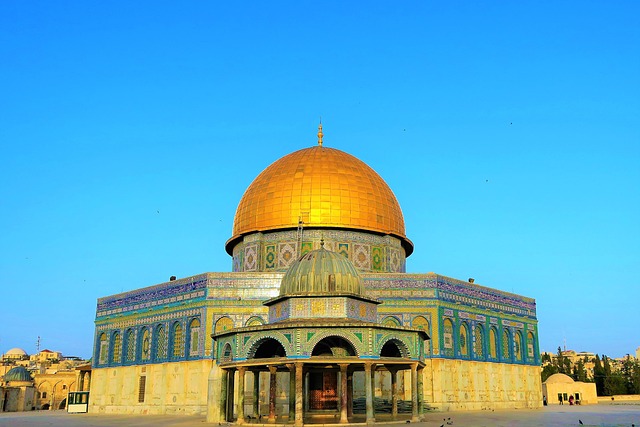
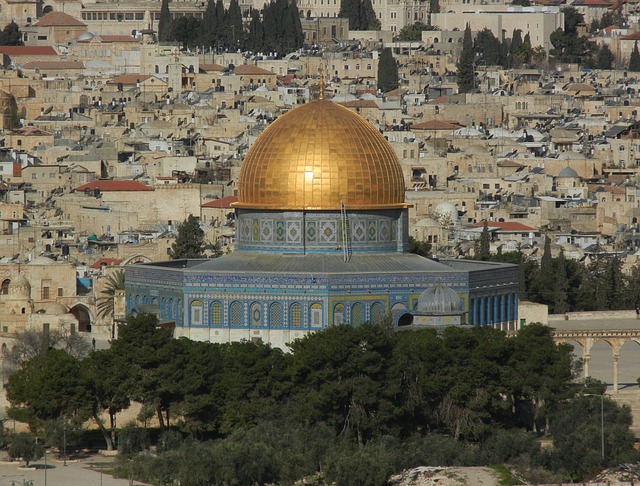
Beyond its historical and spiritual significance, Masjid al-Aqsa’s architecture is a masterpiece of Islamic design. The mosque complex encompasses several structures, each contributing to its grandeur and beauty. The Dome of the Rock, one of the most iconic elements of Masjid al-Aqsa, is an exquisite example of Islamic architecture. Its golden dome, which dominates the skyline of Jerusalem, is a visual representation of the mosque's spiritual and religious importance.
The Dome of the Rock is built over the Foundation Stone, which holds great significance in both Islamic and Jewish traditions. According to Islamic belief, it is from this rock that the Prophet Muhammad (PBUH) ascended to the heavens during the Night Journey. The structure is known for its stunning mosaics, intricate designs, and a sense of tranquility that reflects the divine presence.
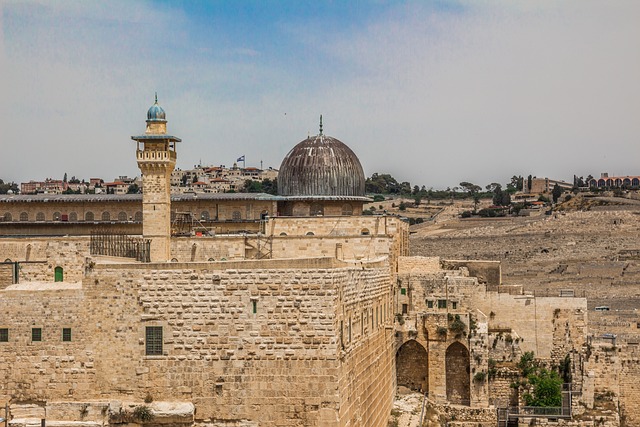
Adjacent to the Dome of the Rock is the Masjid al-Qibli, the main prayer hall of the mosque. It is a grand structure with a beautifully decorated interior, where worshippers come together for daily prayers. The mosque's outer courtyard, which surrounds these buildings, is an area where pilgrims and visitors often gather to reflect, pray, and appreciate the serene atmosphere.
Masjid al-Aqsa’s design incorporates elements from various Islamic architectural styles, including Byzantine, Umayyad, and Abbasid influences, creating a harmonious blend of religious and cultural expressions. The intricate calligraphy, geometric patterns, and symmetrical arches evoke a sense of unity and devotion. Every stone, every inscription, and every arch tells the story of centuries of devotion and reverence.
The Spiritual Impact of Masjid al-Aqsa
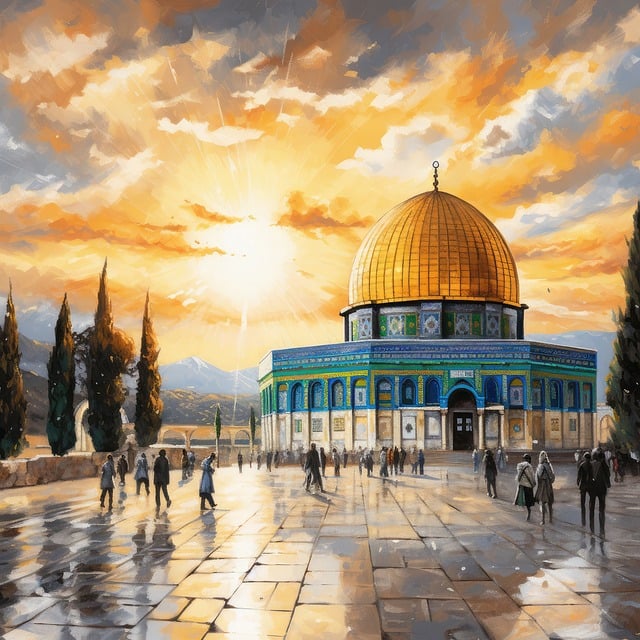
Masjid al-Aqsa holds a unique and powerful spiritual significance for Muslims. As the third holiest site in Islam, after the Kaaba in Mecca and the Prophet's Mosque in Medina, it attracts millions of Muslim visitors each year. For those who make the journey to Jerusalem, praying at Masjid al-Aqsa is a deeply moving experience, one that connects them to centuries of Islamic tradition and the rich history of the Muslim ummah (community).
In Islam, the act of prayer (salat) is not just a ritual; it is a means of establishing a close connection with Allah (God). The location where one prays also holds importance, and Masjid al-Aqsa is regarded as one of the most sacred places on Earth. The mosque’s spiritual significance is further reinforced by the tradition of the Isra and Mi'raj, in which the Prophet Muhammad (PBUH) led a prayer at Masjid al-Aqsa before his ascension to the heavens. This event underscores the connection between the earthly and divine, making the mosque a place where the physical world and the spiritual realm converge.
Praying at Masjid al-Aqsa is believed to bring immense spiritual rewards. According to various hadiths (sayings of the Prophet Muhammad PBUH), offering prayers at Masjid al-Aqsa is highly virtuous, and the reward for prayer in this sacred space is multiplied. This makes the mosque a focal point for religious devotion and reflection, drawing pilgrims from all over the world.
Moreover, Masjid al-Aqsa’s significance is not limited to the religious realm alone. It is also a symbol of hope, resilience, and unity. Throughout its history, the mosque has faced numerous challenges, including invasions, occupations, and political tensions. Despite these challenges, it has remained a symbol of unwavering faith for Muslims worldwide. The mosque’s enduring presence serves as a reminder of the importance of preserving sacred spaces and fostering unity within the Muslim community.
The Role of Masjid al-Aqsa in Contemporary Society
In the modern world, Masjid al-Aqsa continues to be a beacon of spiritual enlightenment and a focal point for religious and political discourse. Its significance extends beyond religious worship, as it is also a symbol of Palestinian identity and resilience in the face of ongoing conflict and occupation. For many Palestinians and Muslims worldwide, the mosque represents not only a sacred site but also a powerful symbol of justice, freedom, and self-determination.
The political situation surrounding Masjid al-Aqsa is complex, as it is located in Jerusalem, a city of great religious significance to Muslims, Jews, and Christians. The mosque has been a source of contention and conflict for decades, and its status continues to be a central issue in the Israeli-Palestinian conflict. Despite these challenges, the spiritual importance of Masjid al-Aqsa remains undiminished.
For Muslims, Masjid al-Aqsa represents a link to their past, a place of worship, and a space for spiritual growth. The mosque serves as a reminder of the shared history, unity, and values of the Muslim ummah. It is also a symbol of hope, as believers continue to pray for peace and justice in the region.
Conclusion
Masjid al-Aqsa is not merely a physical structure; it is a spiritual and cultural treasure that holds profound meaning for Muslims around the world. From its historical roots in the early days of Islam to its architectural splendor and its role in contemporary global issues, Masjid al-Aqsa remains a beacon of faith, resilience, and unity. For those who visit, it is not just a place to pray but a journey through time and spirituality—a reminder of the deep connection between faith and history.
The significance of Masjid al-Aqsa transcends its physical boundaries. It stands as a symbol of the spiritual, cultural, and political struggles of the Muslim world. It is a place where believers come to reflect, pray, and connect with their faith, and it continues to inspire hope and perseverance in the hearts of millions. As we explore the spiritual majesty of Masjid al-Aqsa, we are reminded of the enduring power of faith and the importance of preserving sacred spaces for future generations.

You must be logged in to post a comment.