


Table of Contents
- The Historical Significance of Pennsylvania
- Iconic Landmarks and Must-Visit Cities
- The Natural Beauty of Pennsylvania
- Pennsylvania’s Culinary Delights
- Modern Pennsylvania: Industry, Innovation, and Culture
1. The Historical Significance of Pennsylvania
Pennsylvania played a crucial role in the founding of the United States and remains one of the most historically significant states in the nation. Known as the birthplace of American democracy, it was in Pennsylvania where the Declaration of Independence and the U.S. Constitution were signed at Philadelphia’s Independence Hall.
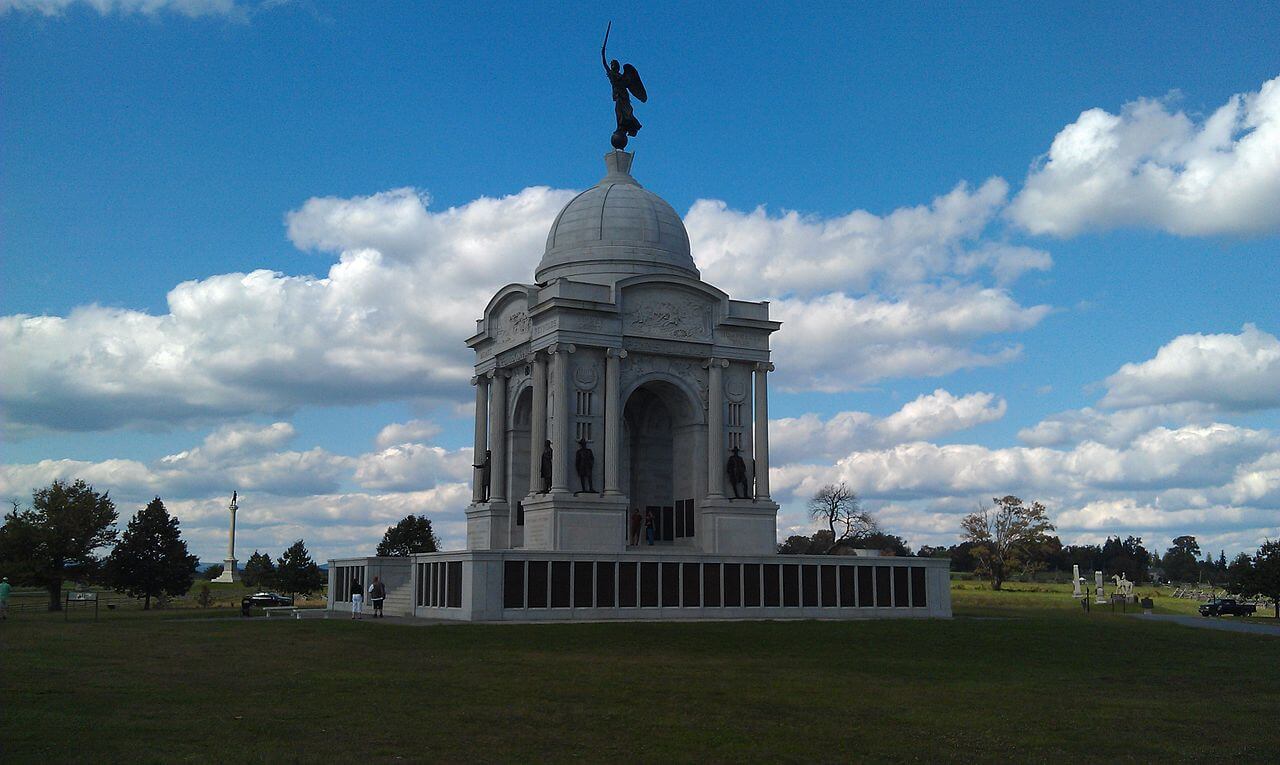
The state also served as a major battleground during the Revolutionary War, with Valley Forge symbolizing the resilience and determination of the Continental Army. Later, Pennsylvania was central to the Civil War, with Gettysburg being the site of one of the conflict's most pivotal battles. The Gettysburg Address, delivered by Abraham Lincoln, solidified its place in American history.
2. Iconic Landmarks and Must-Visit Cities
Pennsylvania is home to a variety of iconic landmarks and bustling cities. Philadelphia, known as the “City of Brotherly Love,” offers attractions such as the Liberty Bell, the Philadelphia Museum of Art, and the vibrant Reading Terminal Market. Pittsburgh, with its industrial roots, has transformed into a cultural hub featuring the Andy Warhol Museum and scenic views from Mount Washington.
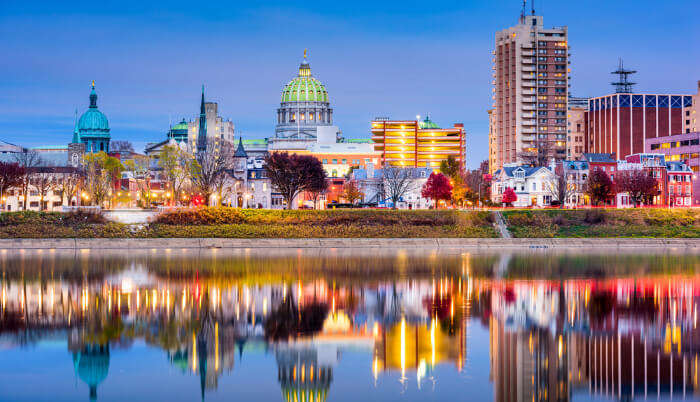
Harrisburg, the state capital, offers a mix of historical charm and modern attractions, including the Pennsylvania State Capitol and the Susquehanna River. The state is also dotted with charming towns such as Lancaster, known for its Amish culture, and Hershey, famous for its chocolate-themed attractions like Hersheypark.
3. The Natural Beauty of Pennsylvania
Pennsylvania’s landscapes are as diverse as its cities, ranging from rolling farmland to mountainous terrain. The Pocono Mountains attract outdoor enthusiasts with opportunities for hiking, skiing, and water sports. In central Pennsylvania, the Allegheny National Forest offers serene trails and scenic drives.
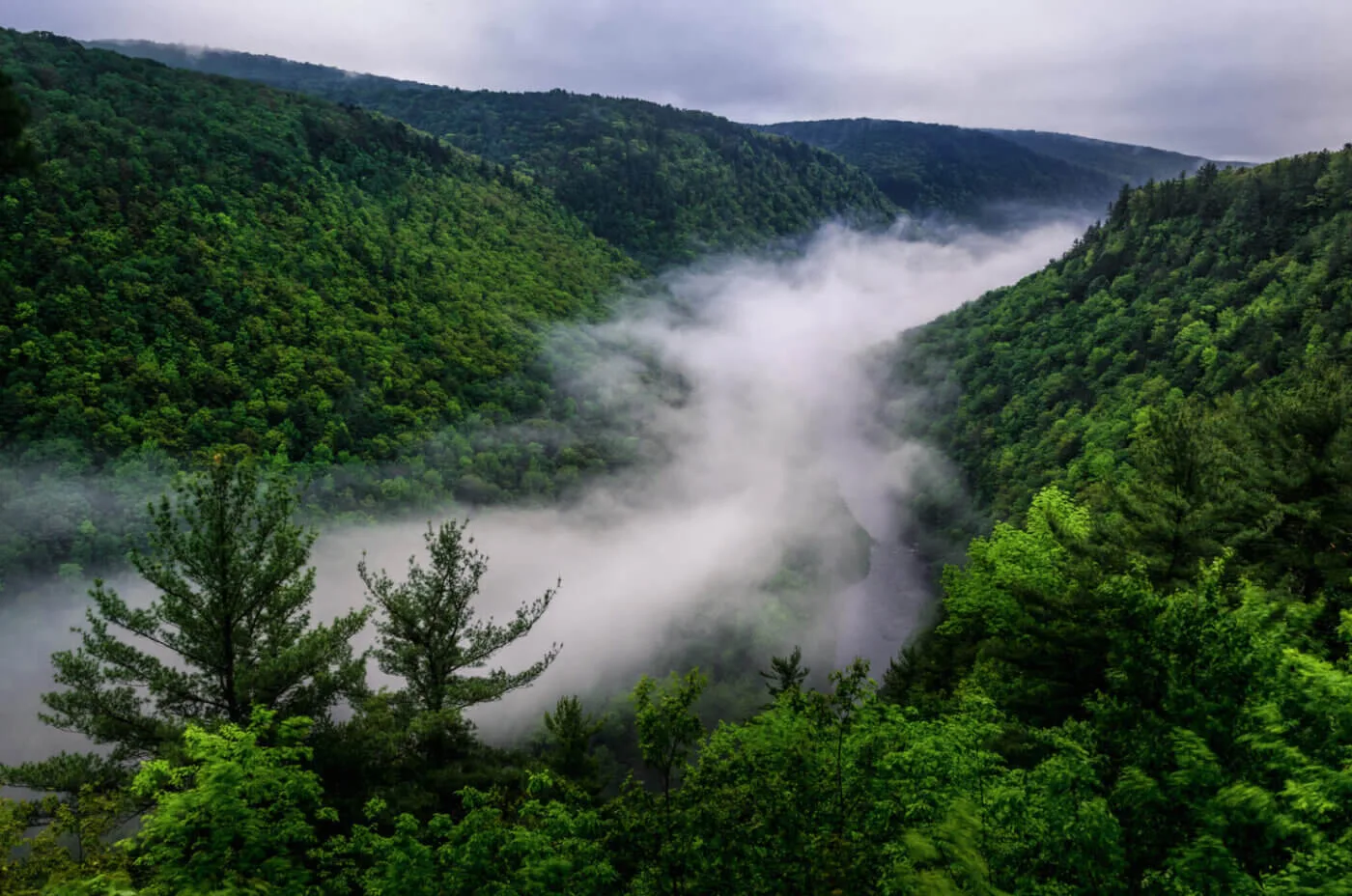
The state is also home to the stunning Pennsylvania Grand Canyon in Tioga County, a breathtaking gorge surrounded by lush forests. Along the shores of Lake Erie, Presque Isle State Park provides sandy beaches and bird-watching opportunities. With four distinct seasons, Pennsylvania’s natural beauty is on display year-round, from colorful autumn foliage to blooming wildflowers in spring.
4. Pennsylvania’s Culinary Delights
Pennsylvania’s culinary scene reflects its cultural diversity and historical roots. Philadelphia is famous for its cheesesteaks, with iconic spots like Pat’s King of Steaks and Geno’s Steaks drawing food lovers from across the country.
Amish communities in Lancaster County produce mouthwatering baked goods like shoofly pie and fresh pretzels. Pennsylvania is also known for its snack foods, including Hershey’s chocolate, Utz potato chips, and Snyder’s pretzels. In Pittsburgh, the Primanti Brothers sandwich, piled high with fries and coleslaw, is a must-try. Craft beer lovers will enjoy the state’s burgeoning brewery scene, with spots like Yuengling, America’s oldest brewery, leading the way.

5. Modern Pennsylvania: Industry, Innovation, and Culture
While Pennsylvania is steeped in history, it has also embraced modernity and innovation. Pittsburgh has become a hub for technology and robotics, with companies and research institutions like Carnegie Mellon University leading the charge.
The state’s arts scene thrives in cities like Philadelphia, home to the Kimmel Center for the Performing Arts, and smaller towns that host festivals celebrating music, film, and art. Pennsylvania is also a leader in energy production, with significant contributions to both traditional energy sources like coal and natural gas, as well as renewable energy initiatives.
Today, Pennsylvania’s economy and culture are as dynamic as its landscapes, making it a state that seamlessly blends tradition with progress.

Comments 0
Sign in to join the conversation.
No comments yet. Be the first to say something.