


Table of Contents
- Colombia’s Rich Historical Legacy
- Iconic Cities and Must-Visit Destinations
- The Natural Beauty of Colombia
- Colombian Cuisine: A Feast for the Senses
- Modern Colombia: Culture, Innovation, and Tourism
1. Colombia’s Rich Historical Legacy
Colombia’s history is as diverse as its landscapes, shaped by indigenous civilizations, Spanish colonization, and struggles for independence. Long before the arrival of Europeans, Colombia was home to advanced indigenous cultures like the Muisca, renowned for their gold craftsmanship, as seen in the legendary El Dorado myth.
Spanish colonization in the 16th century left a lasting impact on Colombia’s architecture, language, and religion, with cities like Cartagena preserving beautifully walled colonial-era streets. Colombia’s fight for independence, led by Simón Bolívar, marked the country’s transition into a republic in the 19th century.
Today, Colombia celebrates its vibrant history through festivals, museums, and monuments that honor its journey from ancient civilizations to a modern nation.
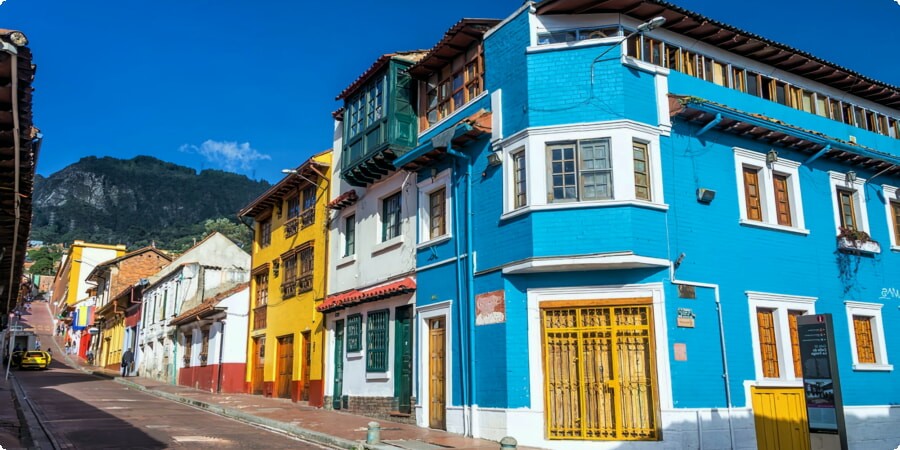
2. Iconic Cities and Must-Visit Destinations
Colombia’s cities offer a blend of history, modernity, and cultural vibrancy. Bogotá, the capital, is a bustling metropolis with attractions like the Gold Museum and Monserrate, offering panoramic views of the city. Medellín, known as the "City of Eternal Spring," is celebrated for its innovation, cable cars, and the annual Flower Festival.
Cartagena, a UNESCO World Heritage Site, charms visitors with its colonial architecture, cobblestone streets, and vibrant nightlife. Cali, the salsa capital of the world, attracts dance enthusiasts, while the coffee region, or Eje Cafetero, provides a tranquil escape amidst lush coffee plantations.
Colombia’s Caribbean and Pacific coasts, including the Rosario Islands and San Andrés, are perfect for beach lovers, offering crystal-clear waters and pristine white sands.
3. The Natural Beauty of Colombia
Colombia’s diverse geography encompasses everything from tropical beaches to towering mountains and dense jungles. The Andes Mountains run through the heart of the country, offering breathtaking vistas and trekking opportunities in regions like Cocora Valley, home to the iconic wax palms.
The Amazon rainforest in southern Colombia is a haven for biodiversity, with opportunities for eco-tourism and wildlife spotting. Tayrona National Park, located along the Caribbean coast, combines lush jungles and idyllic beaches, making it a favorite among nature enthusiasts.
The Guatapé Rock near Medellín, with its colorful town and stunning views from atop the rock, and the Caño Cristales River, often called the “River of Five Colors,” are other must-visit natural wonders.
4. Colombian Cuisine: A Feast for the Senses
Colombian cuisine is as diverse as its regions, with dishes that reflect the country’s rich agricultural bounty and cultural influences. Arepas, cornmeal cakes served with various toppings, are a staple enjoyed across the country. Bandeja Paisa, a hearty platter featuring beans, rice, plantains, and chorizo, is a signature dish of the Antioquia region.
In coastal areas, seafood dishes like ceviche and coconut rice showcase fresh, tropical flavors, while the highlands feature comforting soups such as ajiaco, made with chicken, potatoes, and corn. Colombia is also famous for its coffee, considered some of the finest in the world, and its tropical fruits, including guanabana, lulo, and maracuyá.
Street food, like empanadas and churros, offers an authentic taste of Colombian flavors for those on the go.
5. Modern Colombia: Culture, Innovation, and Tourism
Colombia has undergone a remarkable transformation in recent decades, emerging as a popular tourist destination known for its safety and hospitality. The country’s music scene, including genres like cumbia, vallenato, and reggaeton, reflects its vibrant culture, with artists like Shakira and J Balvin gaining international fame.
Art and literature are celebrated across the country, with figures like Gabriel García Márquez, the Nobel Prize-winning author of One Hundred Years of Solitude, leaving a lasting legacy.
Colombia is also a leader in sustainability and eco-tourism, with efforts to preserve its natural beauty and wildlife. Medellín’s innovative urban development and Bogotá’s extensive bike-friendly infrastructure demonstrate Colombia’s commitment to progress and environmental responsibility.


Comments 0
Sign in to join the conversation.
No comments yet. Be the first to say something.