


Table of Contents
- The Historical Tapestry of China: A Journey Through Time
- Iconic Landmarks That Define China’s Legacy
- The Richness of Chinese Culture and Traditions
- Culinary Wonders: Exploring Chinese Cuisine
- Modern China: A Fusion of Tradition and Innovation
1. The Historical Tapestry of China: A Journey Through Time
China’s history spans over 5,000 years, making it one of the world’s most enduring civilizations. The rise and fall of dynasties such as the Tang, Ming, and Qing shaped the nation’s identity, leaving behind a legacy of philosophy, governance, and art.
The advent of Confucianism, Taoism, and Buddhism has profoundly influenced Chinese thought, governance, and daily life. Ancient texts, such as the I Ching and The Art of War, remain relevant today, reflecting China’s intellectual heritage.
From the unification under Emperor Qin Shi Huang to the cultural renaissance during the Tang Dynasty, China’s history is a dynamic narrative of resilience and innovation. Exploring this past reveals how China’s ancient roots continue to inform its modern aspirations.

2. Iconic Landmarks That Define China’s Legacy
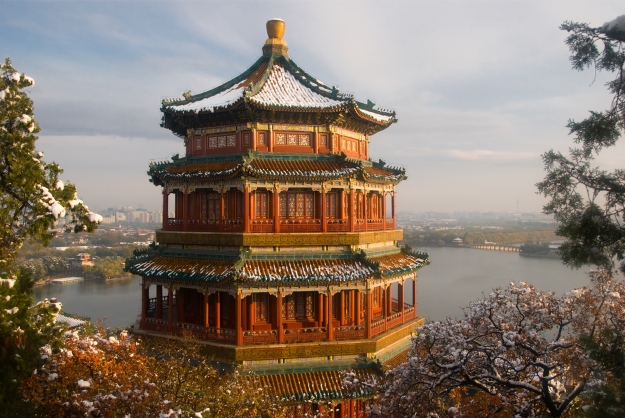
China is home to some of the most iconic landmarks in the world. The Great Wall of China, stretching over 13,000 miles, is a testament to the nation’s ingenuity and determination. The Forbidden City in Beijing, a sprawling palace complex, offers a glimpse into the lives of emperors and their courts.
The Terracotta Army in Xi’an unveils the grandeur of China’s first emperor, while the serene beauty of the West Lake in Hangzhou has inspired poets and painters for centuries.
Natural wonders like Zhangjiajie’s pillar-like mountains and the Li River’s picturesque landscapes add to the nation’s allure. Each site reflects the depth and diversity of China’s cultural and natural heritage.
3. The Richness of Chinese Culture and Traditions
Chinese culture is a vibrant mosaic of festivals, art, and philosophy. Celebrations like the Lunar New Year and the Mid-Autumn Festival showcase communal joy and ancient customs.
Calligraphy, martial arts, and traditional music embody the artistic soul of the nation, while Chinese opera and shadow puppetry carry forward storytelling traditions. Folklore and legends, from the Monkey King to the tales of dragons, highlight the imagination and wisdom of Chinese culture.
The preservation of ancient customs coexists with the rapid modernization of urban life, offering a unique cultural experience that bridges the past and present.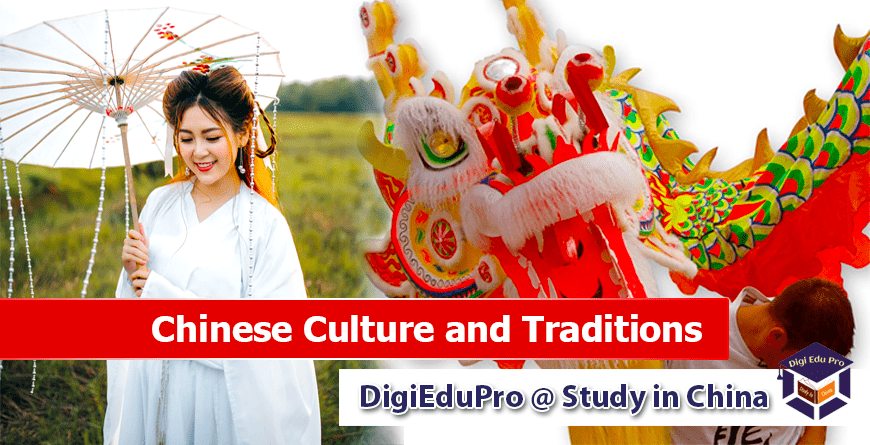
4. Culinary Wonders: Exploring Chinese Cuisine
Chinese cuisine is celebrated worldwide for its diversity and flavors. Each region offers its unique culinary identity, from the spicy dishes of Sichuan to the delicate flavors of Cantonese cuisine.
Dim sum, Peking duck, dumplings, and hot pot are just a few highlights of the vast culinary repertoire. Ingredients like soy, ginger, and tea are staples, contributing to the harmony of taste and nutrition in Chinese dishes.
Street food markets in cities like Beijing and Xi’an offer authentic experiences, with treats like baozi, jianbing, and skewered delights that tantalize the palate. The integration of culinary artistry and tradition makes Chinese cuisine an integral part of its cultural heritage.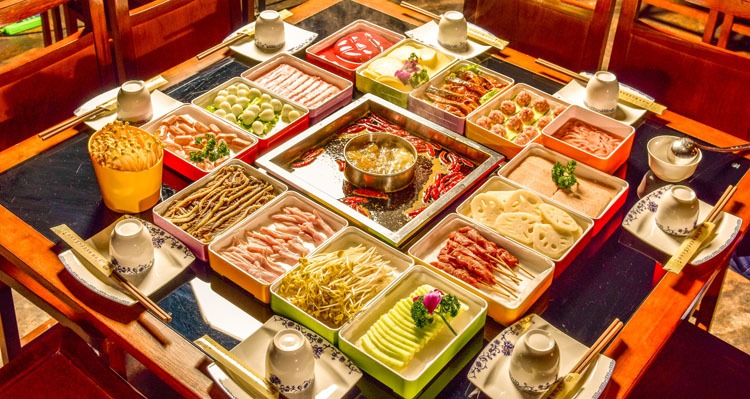
5. Modern China: A Fusion of Tradition and Innovation
Modern China is a dynamic blend of ancient traditions and cutting-edge technology. Cities like Shanghai and Shenzhen epitomize this transformation, boasting futuristic skylines and thriving tech industries.
China leads in innovations such as artificial intelligence, renewable energy, and high-speed rail, reshaping its role on the global stage. At the same time, cultural preservation efforts ensure that traditional crafts, languages, and festivals remain alive.
The Belt and Road Initiative and China’s global outreach reflect its aspirations as a modern powerhouse while maintaining its historical values. This fusion of old and new makes China a fascinating study in contrasts and possibilities.






Comments 0
Sign in to join the conversation.
No comments yet. Be the first to say something.