


Table of Contents
- A Rich and Storied History: From Celts to Modern Ireland
- Iconic Landmarks and Historical Sites
- The Wild Beauty of Ireland's Landscapes
- Irish Cuisine and the Flavors of Tradition
- Modern Ireland: A Blend of Tradition and Progress
1. A Rich and Storied History: From Celts to Modern Ireland
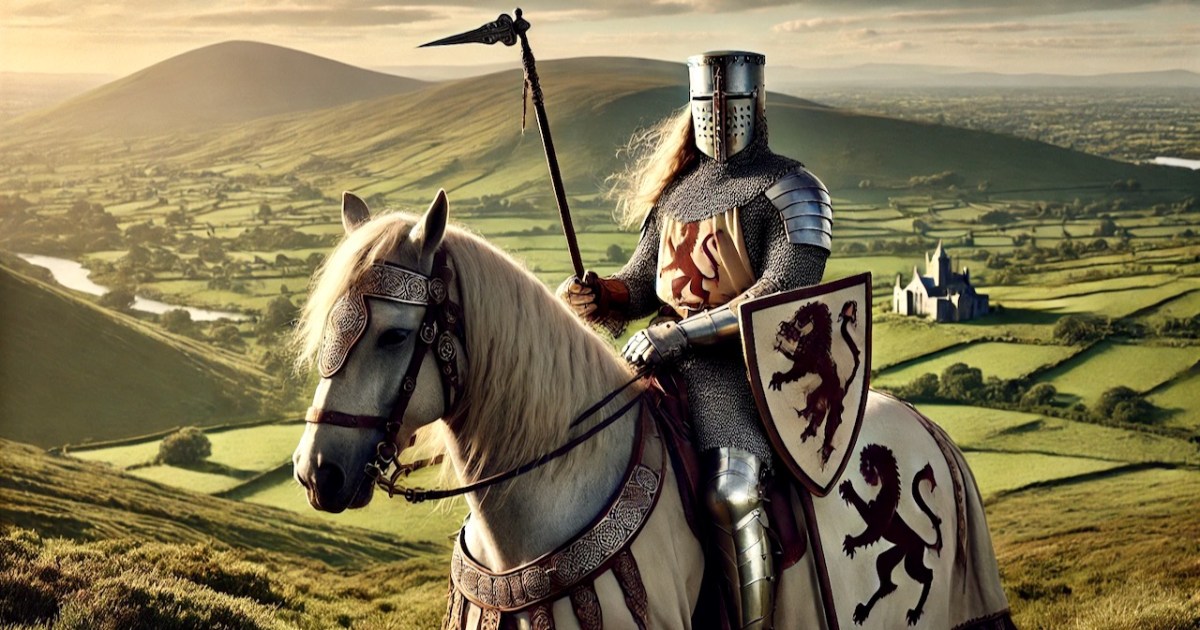
Ireland’s history is both complex and captivating, shaped by Celtic traditions, Viking invasions, and centuries of English rule. The Celts, who arrived around 500 BC, established a rich cultural foundation that remains visible in the country’s art, music, and traditions. The influence of Irish mythology, with figures like the warrior Cú Chulainn and the goddess Ériu, plays a major role in the country’s national identity.
The Viking invasions in the 9th century led to the establishment of cities like Dublin, while Ireland’s struggle for independence from England in the 20th century resulted in the formation of the Irish Republic. The Easter Rising of 1916 and the subsequent War of Independence are key moments in Ireland's modern history, marking the country’s shift toward sovereignty. Today, Ireland honors its past with a rich tradition of storytelling, music, and festivals that bring history to life.
2. Iconic Landmarks and Historical Sites
Ireland’s landscape is dotted with historic castles, ancient churches, and other significant landmarks that reflect its rich past. Dublin, the capital, is home to the iconic Trinity College and the Book of Kells, a beautifully illustrated manuscript that dates back to the 9th century. The Dublin Castle, which dates back to the 13th century, offers a glimpse into Ireland’s political history.
The Cliffs of Moher, one of the most famous natural landmarks in Ireland, offer breathtaking views of the Atlantic Ocean. The medieval Rock of Cashel, perched atop a limestone hill, is a stunning example of Irish heritage, while the prehistoric passage tombs of Newgrange, older than the Egyptian pyramids, are a testament to Ireland’s ancient civilizations.
3. The Wild Beauty of Ireland's Landscapes
Ireland’s landscapes are as diverse as its history, from the rugged coastline to lush green fields and towering mountains. The Wild Atlantic Way, a coastal route that stretches along Ireland’s western shores, offers some of the most dramatic views of cliffs, beaches, and seaside villages.
The countryside is a patchwork of rolling hills, serene lakes, and expansive farmlands, particularly in regions like County Kerry and County Wicklow. The Killarney National Park, with its ancient oak forests and pristine lakes, is a favorite destination for nature lovers. Further north, the Giant’s Causeway in Northern Ireland is a UNESCO World Heritage Site known for its unique basalt columns, adding to the country’s natural wonders.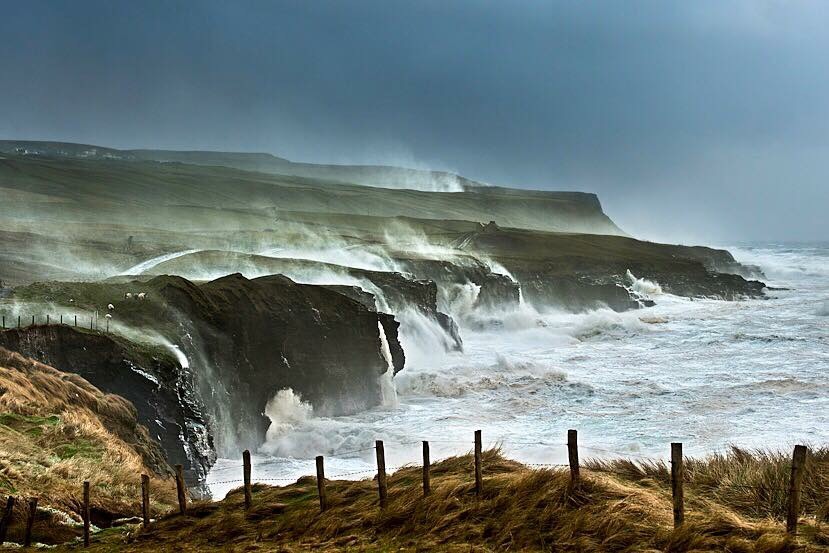
4. Irish Cuisine and the Flavors of Tradition
Irish cuisine, while simple, is hearty and flavorful, with a focus on fresh, locally sourced ingredients. Traditional dishes like Irish stew, made with lamb, potatoes, carrots, and onions, reflect the country’s agrarian roots, while boxty, a type of potato pancake, is a staple of the northern provinces.
Seafood is also an integral part of Irish cuisine, particularly in coastal areas, with dishes like fish and chips, grilled oysters, and smoked salmon. The Irish breakfast, a filling meal of eggs, sausages, bacon, and black pudding, is enjoyed by many as a hearty start to the day.
The country is also known for its iconic drinks, including Irish whiskey and, of course, Guinness, the world-famous stout that originated in Dublin. Pubs, which play a central role in Irish culture, are where locals and visitors alike gather to enjoy good food, drinks, and traditional live music.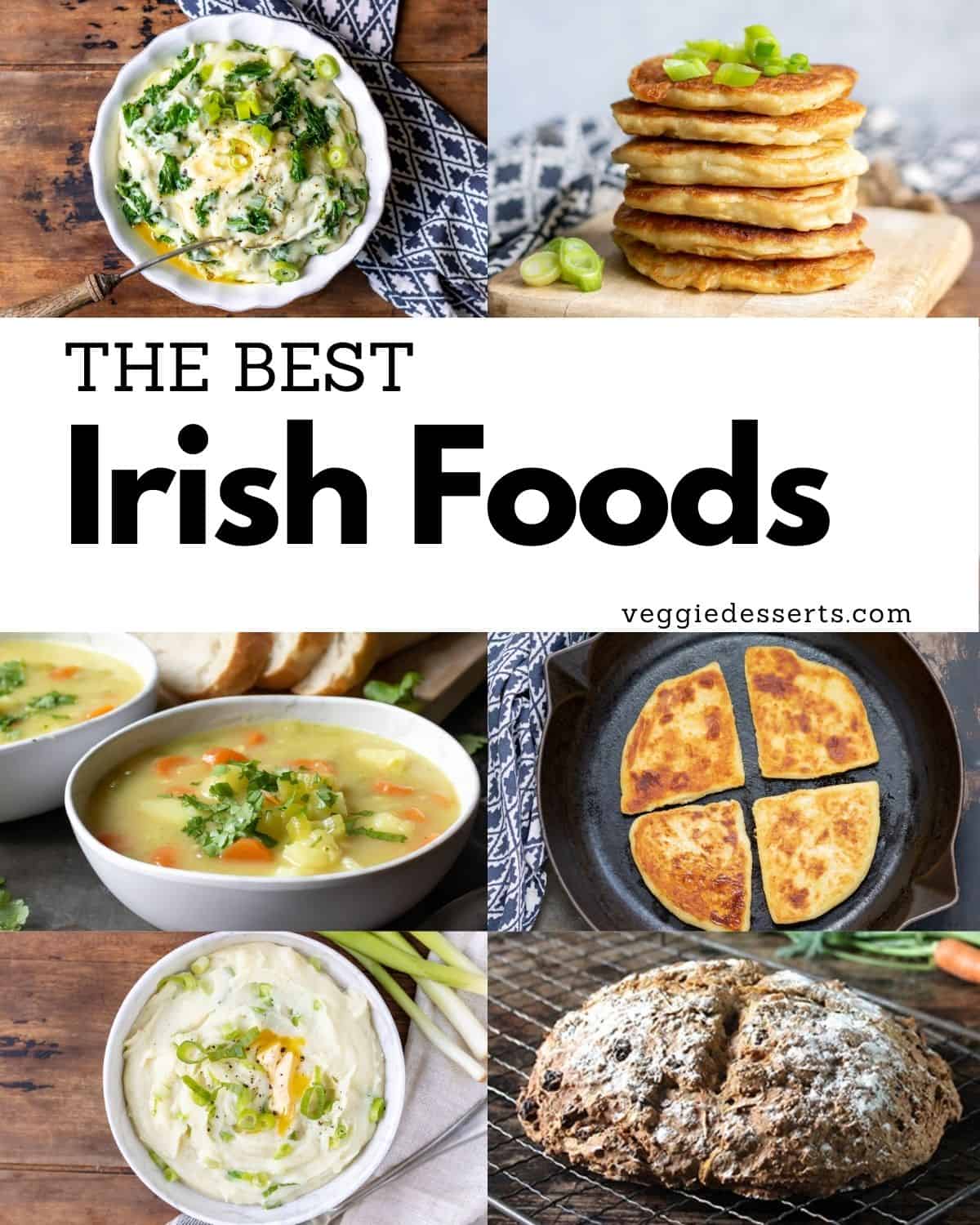
5. Modern Ireland: A Blend of Tradition and Progress
While Ireland’s history and traditions remain strong, the country has made significant strides in embracing modernity. Dublin, Cork, and Galway have become vibrant hubs of innovation, technology, and arts. Dublin’s Silicon Docks, home to major tech companies like Google and Facebook, has transformed the city into a global center for tech startups and international business.
Ireland also leads in renewable energy and environmental sustainability, with numerous initiatives aimed at protecting its natural beauty and combating climate change. The country has embraced cultural diversity, with a growing international community and a forward-thinking approach to social issues, including marriage equality and women’s rights.
Despite its modern progress, Ireland’s sense of tradition remains intact. Festivals, like St. Patrick’s Day, continue to celebrate the country’s rich cultural heritage, while traditional music, literature, and art remain an important part of Irish identity.

Comments 0
Sign in to join the conversation.
No comments yet. Be the first to say something.