

Fashion is more than just clothin.
it is an artistic expression of identity, beliefs, and history. Across the globe, cultural traditions and heritage have long served as inspirations for modern style, weaving stories of ancestry into contemporary design. From intricate patterns to symbolic motifs, the interplay between tradition and innovation gives fashion its depth and richness.
This article explores how cultural influences shape the modern fashion landscape and celebrate the diversity that defines global style.
Cultural Roots of Modern Fashion
Every culture has its own unique textile techniques, designs, and garments that reflect its history, geography, and values. These traditional elements often find their way into modern fashion, reimagined for today’s audiences.
1. Traditional Textiles and Patterns
- African Prints: Vibrant kente cloth, Ankara fabrics, and batik designs are increasingly integrated into modern collections, celebrated for their bold patterns and cultural symbolism.
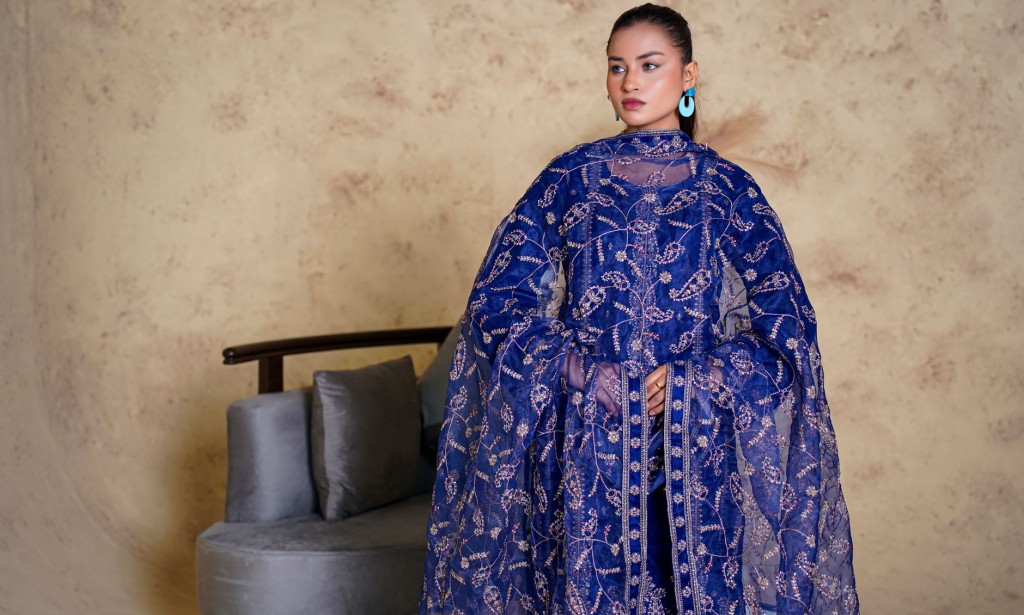
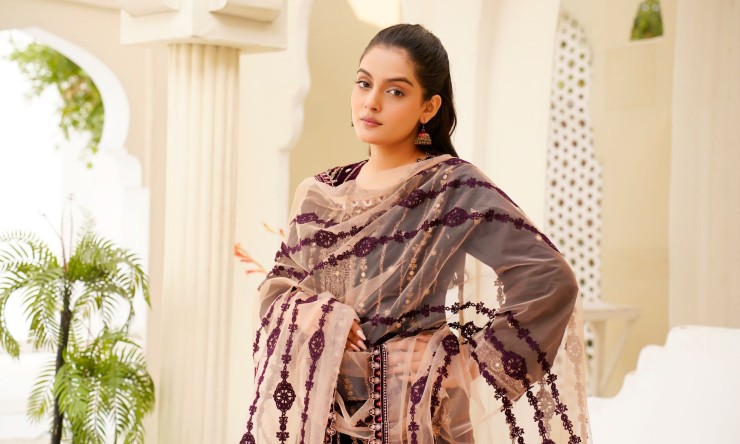
- Indian Embroidery: Techniques like zardozi and mirror work inspire contemporary couture, adding opulence and heritage to modern garments.
- Japanese Kimono Influence: The flowing silhouettes and intricate prints of kimonos have inspired modern wrap dresses and jackets.
2. Iconic Garments
- Mexican Huipils: Traditional embroidered blouses have influenced modern bohemian fashion.
- Scottish Tartan: Historically a symbol of clan identity, tartan is now a staple in punk and high-fashion collections.
- Chinese Cheongsam: This elegant dress, known for its form-fitting silhouette, has inspired evening wear worldwide.
Cultural Celebrations in Contemporary Design
Modern designers often draw from their cultural heritage to create pieces that resonate with both traditional and contemporary audiences. These designs celebrate diversity while introducing global audiences to new aesthetics.
1. Fusion Fashion
- Combining traditional elements with modern styles, fusion fashion creates a bridge between the past and the present. For instance:
- Lehenga skirts paired with crop tops for an Indo-Western look.
- African dashikis adapted into sleek urban streetwear.
2. Redefining Identity Through Fashion
- Designers like Stella Jean (Haitian-Italian) and Prabal Gurung (Nepali-American) use their collections to tell stories of cultural identity, weaving their heritage into every piece.
3. Global Runway Trends
- Fashion weeks in Tokyo, Lagos, and Mumbai highlight how traditional craftsmanship can be seamlessly integrated into high fashion, gaining global appreciation.
Cultural Symbolism in Accessories
Accessories often carry deep cultural meanings, and their integration into modern fashion reflects respect and admiration for heritage.
1. Jewelry
- Maasai Beads (Kenya and Tanzania): Represent status and rites of passage; now seen in contemporary jewelry.
- Turkish Evil Eye: Used in jewelry to ward off negativity, gaining popularity worldwide.
- Indigenous Beadwork (Americas): Celebrates tribal heritage and craftsmanship, inspiring modern beaded designs.
2. Footwear
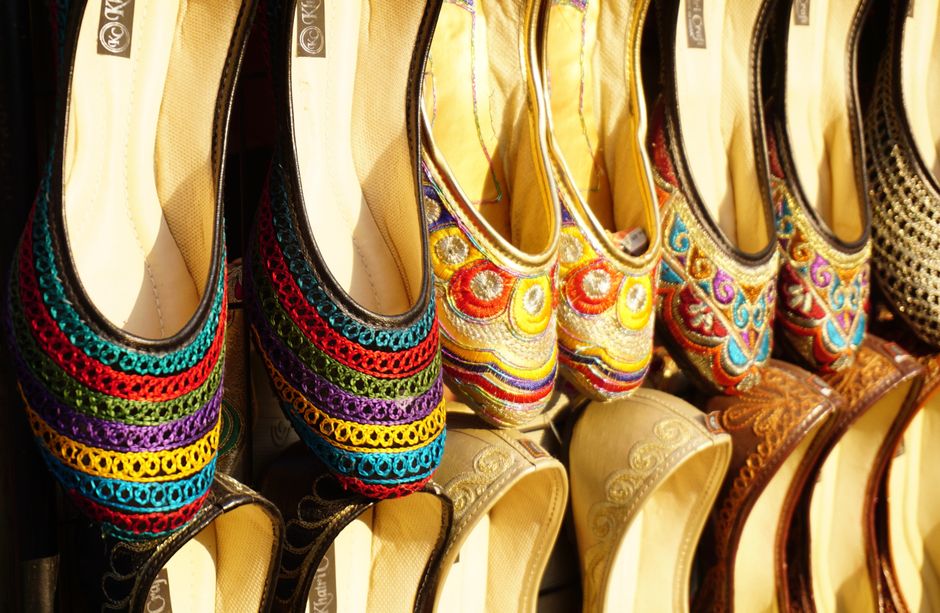
- Mojaris (India): These embroidered shoes have inspired modern flats and slip-ons.
- Espadrilles (Spain): Traditional rope-soled footwear is now a summer staple.
- Mukluks (Inuit): Fur-lined boots designed for cold climates influence high-end winter fashion.
Cultural Appropriation vs. Appreciation
While cultural influences enrich fashion, the line between appreciation and appropriation can be thin. Appropriation occurs when elements of a culture are used without understanding their significance or context, often in ways that disrespect their origin.
How to Appreciate, Not Appropriate:
- Understand the Context: Learn the history and meaning behind the design.
- Collaborate with Communities: Work with artisans and designers from the culture being represented.
- Credit the Source: Acknowledge and respect the culture that inspired the design.
Cultural Fashion Icons and Trends
1. Indigenous Representation
- Indigenous designers like Bethany Yellowtail and B. Yellowtail incorporate traditional techniques into modern collections, creating a platform for their communities.
2. Streetwear Influences
- Streetwear often borrows from urban and hip-hop cultures, reflecting societal narratives and individual expression.
3. Revival of Ancient Techniques
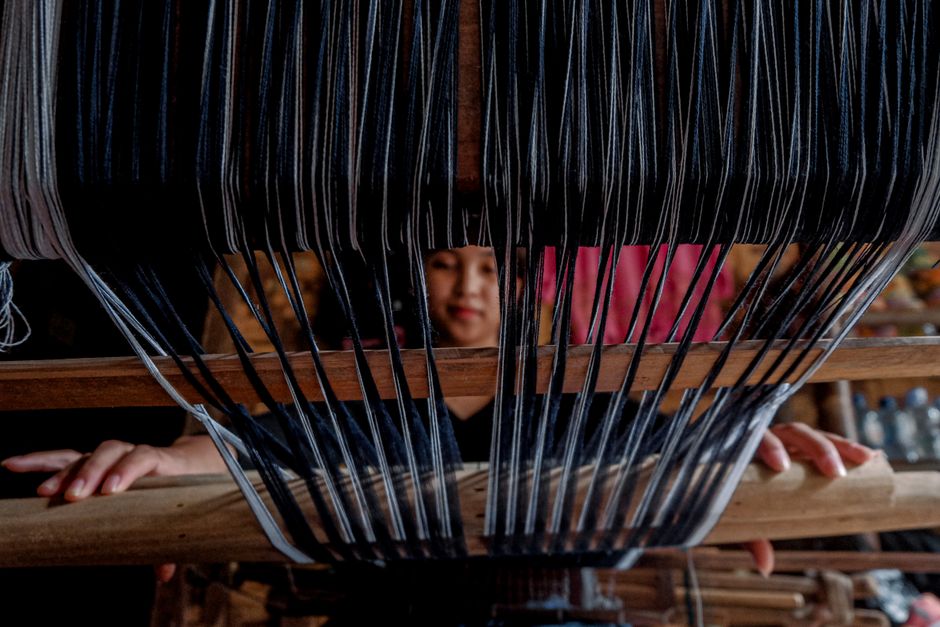
- Brands are reviving ancient crafts like block printing, hand weaving, and natural dyeing, preserving traditional skills while adapting them for contemporary audiences.
The Future of Culturally Inspired Fashion
1. Sustainability Through Tradition
Traditional methods of dyeing, weaving, and sewing often use sustainable practices. Integrating these techniques into modern fashion promotes eco-friendly solutions.
2. Cultural Collaborations
Collaborations between global brands and local artisans bring cultural craftsmanship to the forefront, benefiting both creators and consumers.
3. Inclusivity and Representation
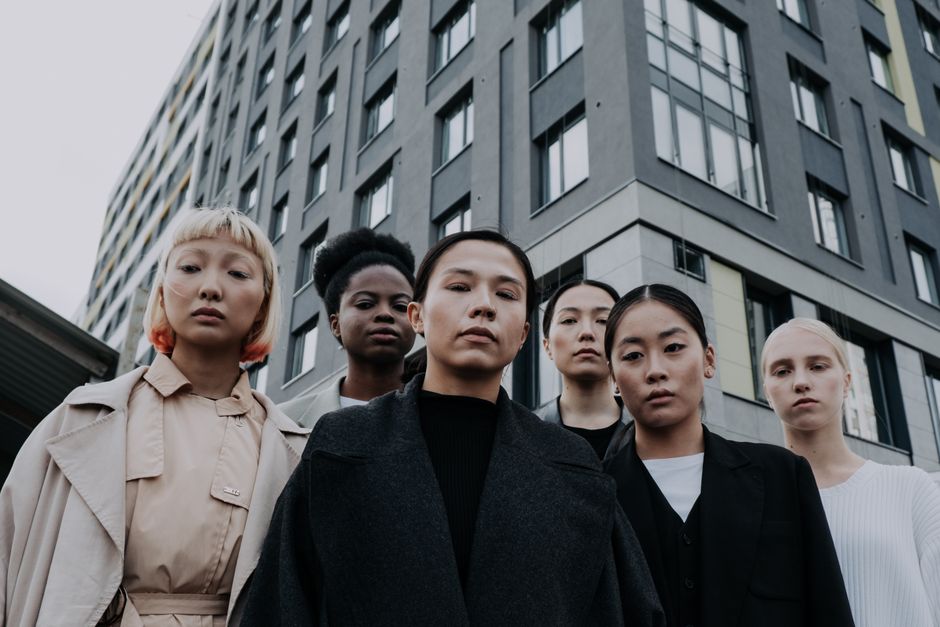
The fashion industry is increasingly recognizing the value of diversity. Culturally inspired fashion is no longer a niche but a celebrated part of mainstream design.
Conclusion.
Fashion, at its core, is a celebration of human creativity and identity. By honoring cultural influences, designers and consumers alike can create a more inclusive, respectful, and vibrant fashion world. Whether through patterns, textiles, or accessories, the traditions and heritage of various cultures continue to shape modern style, reminding us that every piece of clothing tells a story.


Comments 0
Sign in to join the conversation.
No comments yet. Be the first to say something.