


The origin of water on Earth is complex and a debated topic among scientists.
There are several theories, but no consensus on single explanation. Here's comprehensive overview:
Theories of Water Origin
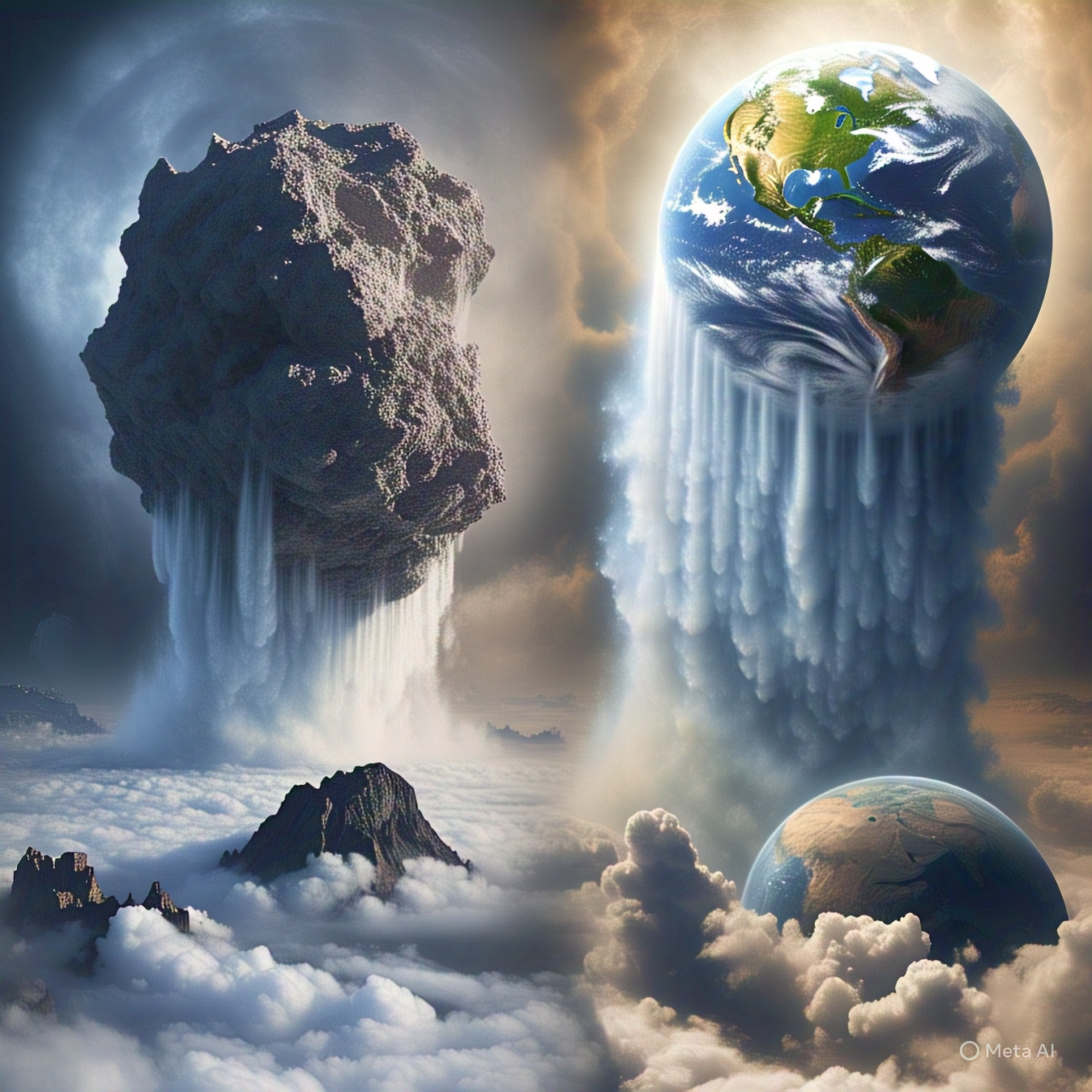
1. *Comets and Meteorites*: Some scientists believe that water was delivered to Earth via comets and meteorites. These celestial bodies are thought to have originated from the outer solar system, where water was more abundant.
2. *Solar Nebula*: Another theory suggests that water was present in the solar nebula, a cloud of gas and dust that formed Sun and planets. As the Earth cooled, water vapor condensed and formed oceans.
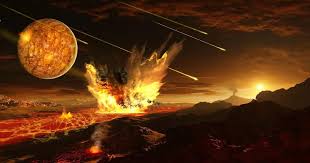
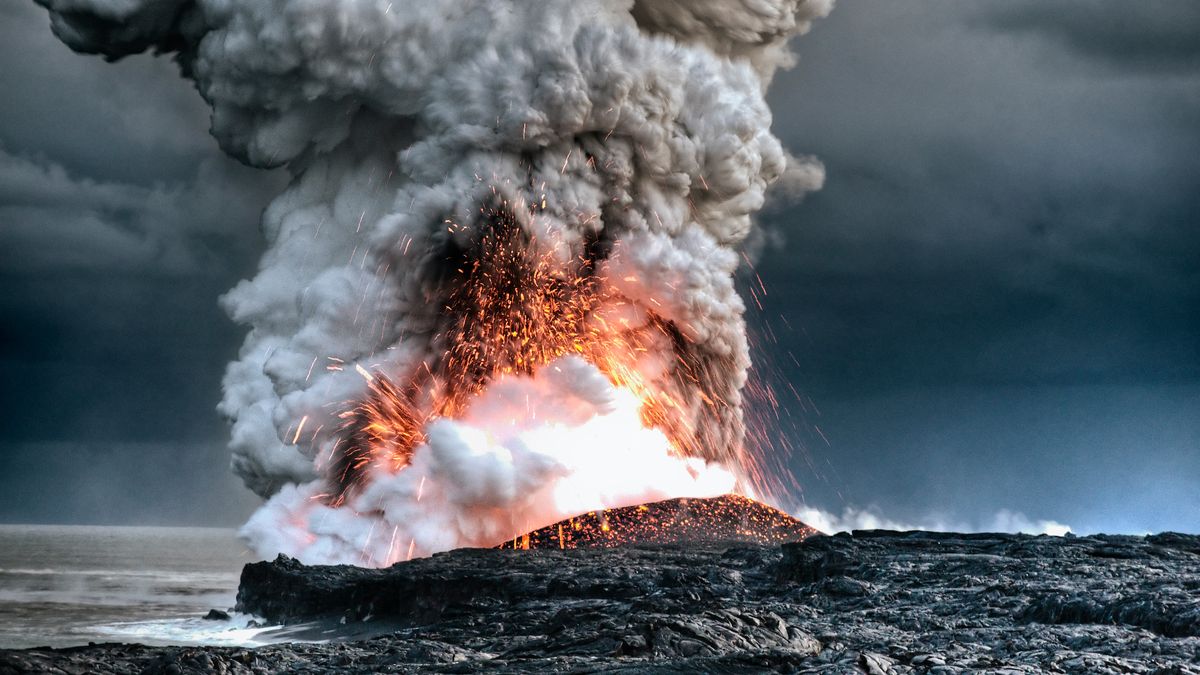
3. *Volcanic Activity*: Volcanic eruptions can release water vapor from the Earth's interior.
Some scientists propose that this process contributed significantly to the formation of oceans.
4. *In Situ Formation*: Some researchers suggest that water was formed on Earth itself, through chemical reactions involving hydrogen and oxyge
- *D/H Ratio*: The deuterium-to-hydrogen ratio in Earth's oceans is similar to that found in some meteorites, supporting the idea that water came from extraterrestrial sources.
- *Water-Rich Minerals*: Certain minerals, like serpentine, can store large amounts of water. These minerals are found in the Earth's mantle, suggesting that water may have been present on Earth since its formation.
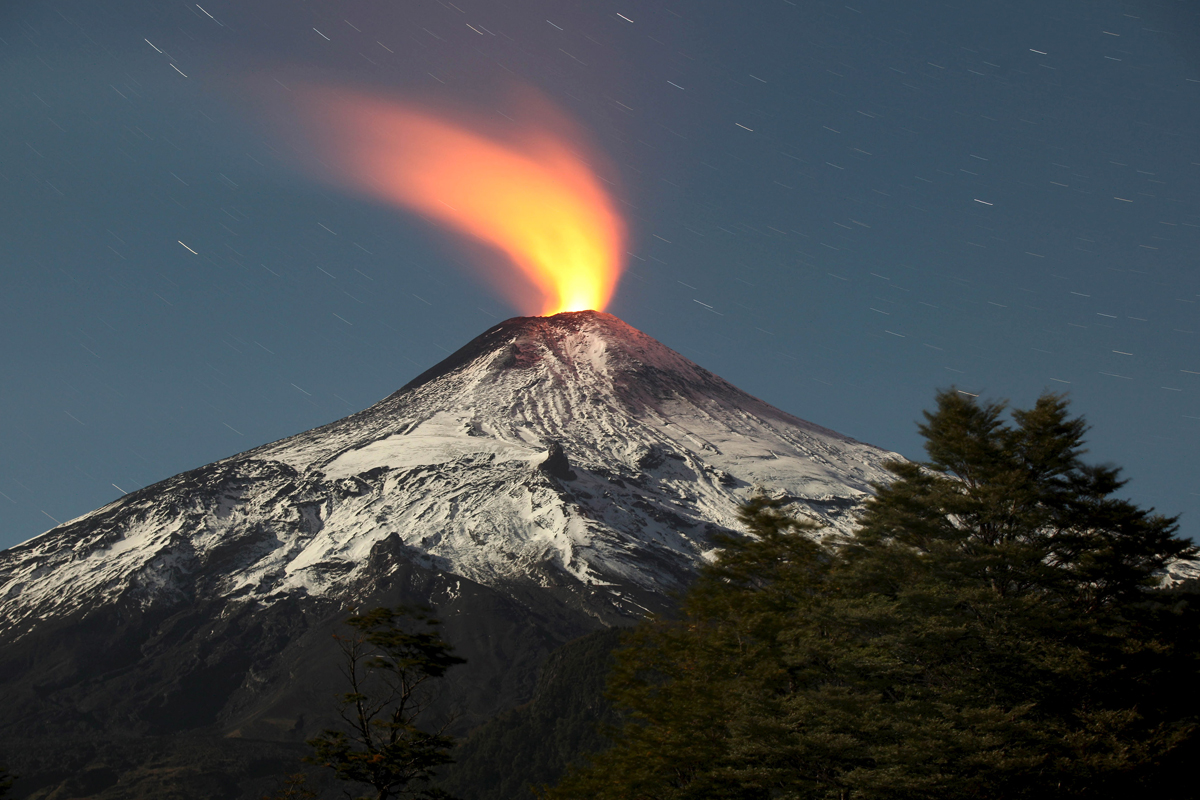
- *Oceanic Crust*: The oceanic crust is thought to have formed through volcanic activity, which could have released water vapor and contributed to the formation of oceans.
*Cometary Water*: While comets may have contributed some water,
their D/H ratio doesn't perfectly match Earth's oceans, suggesting that comets might not be the primary source.
- *Early Earth Atmosphere*: Some theories proposed that Earth's early atmosphere was rich in water vapor, which later condensed to form oceans. However, this idea has been disputed due to the lack of evidence for such a massive atmosphere.
- *Studying Meteorites*: Analyzing meteorites can provide insights into early solar system and the origin of water on Earth.
- *Exploring Oceanic Crust*: Further research on oceanic crust and volcanic activity can help scientists understand the role of volcanic water in ocean formation.
- *Investigating In Situ Formation*: Studying chemical reactions that could have formed water on Earth can provide new insights into the origin of our planet's oceans.
Conclusion
The origin of water on Earth remains a complex and multifaceted topic. While various theories have been proposed, none can fully explain the presence of water on our planet. Continued research and exploration are necessary to uncover the secrets of water's origin and better understand the history of our planet.
Additional Insights
- *Water's Role in Earth's Habitability*: Water plays a crucial role in making Earth habitable. Its presence has shaped our planet's geology, climate, and life forms.
- *Water Cycle*: Understanding the water cycle can provide insights into how water is distributed and conserved on Earth.
- *Astrobiology*: Studying water in other planetary systems can help scientists understand the origins of water on Earth and the potential for life elsewhere.






Comments 0
Sign in to join the conversation.
No comments yet. Be the first to say something.