


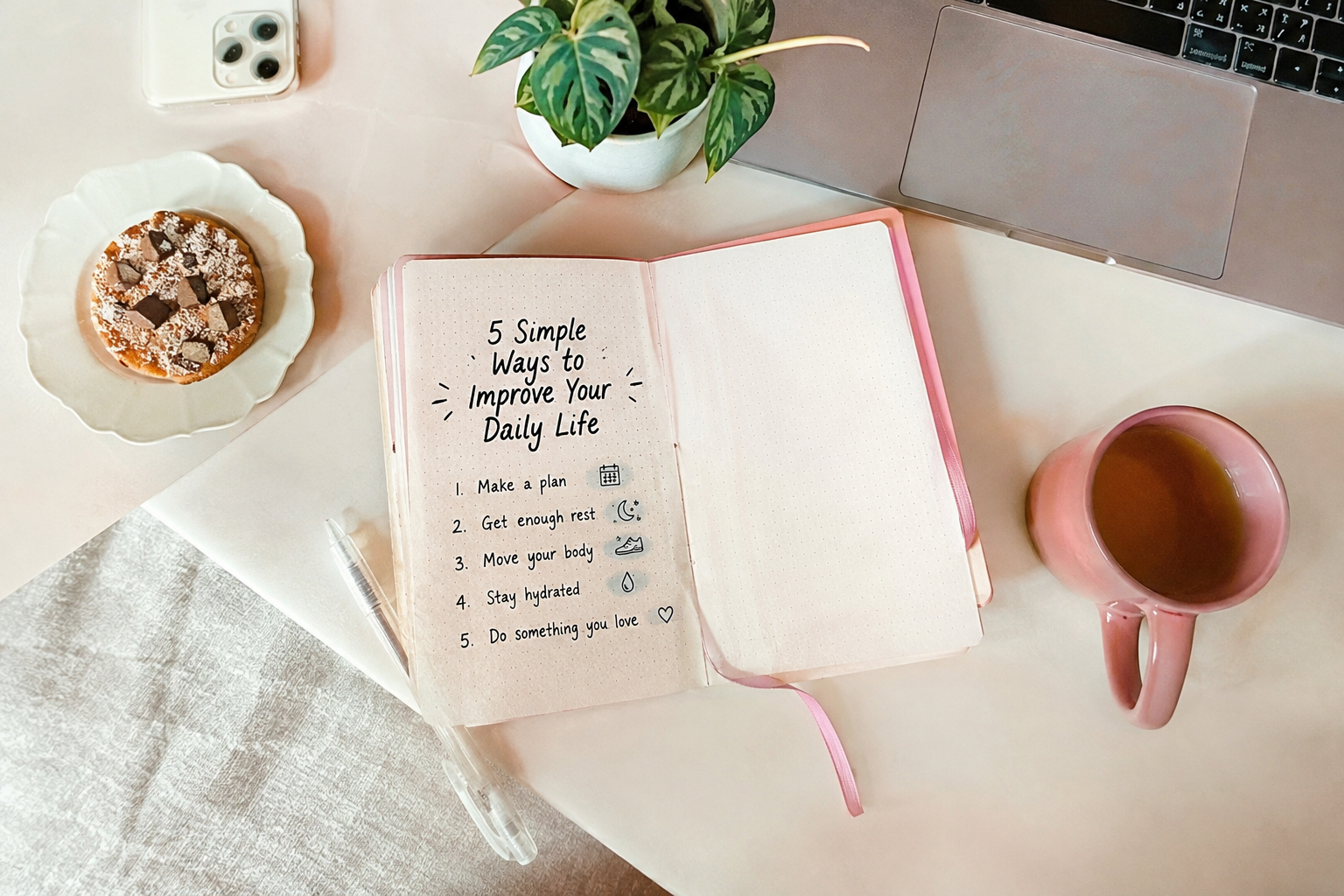
5 Simple Ways to Improve Your Daily Life
Improving your daily life does not always require big changes. Small habits can help you become more organized, use your time wisely, and feel more positive. The best way to improve your routine is to start with simple steps and follow them regularly.
Here are five easy ways to make your everyday life better.
1. Plan Your Day
Planning your day can help you understand what needs to be done first. Every morning, take a few minutes to make a short list of your important tasks. You can write down your study time, household responsibilities, work, and personal activities.
Try to complete the most important tasks first. Avoid making a very long list because it may feel difficult to finish everything. Choose three main tasks and focus on them.
A simple daily plan can save time and help you stay organized. You can also prepare your books, clothes, or other necessary items the night before to make your morning easier.
2. Build Healthy Daily Habits
Healthy habits can make a positive difference in everyday life. Try to eat balanced meals, drink enough water, get regular movement, and maintain a consistent sleep schedule.
You do not need to change everything in one day. Start with one small habit, such as drinking water regularly or taking a short walk when possible. Once it becomes part of your routine, you can gradually add another habit.
Getting enough rest is also important. A regular sleep routine can help you feel more refreshed and prepared for the next day.
Remember that consistency matters more than perfection. Missing a habit once does not mean you have failed. Simply return to your routine when you can.
3. Manage Your Time Wisely
Time management helps you balance your responsibilities and personal activities. One useful method is to divide large tasks into smaller parts. For example, instead of trying to complete a whole project at once, work on one section at a time.
You can also reduce distractions while studying or working. Keep your phone away for a short period if notifications interrupt your concentration. After finishing a task, take a short break before starting the next one.
Try to avoid leaving every important task until the last minute. Starting early gives you more time to solve problems and check your work.
A flexible schedule is often more helpful than a strict one. Leave some free time for unexpected tasks and relaxation.
4. Keep Your Space Organized
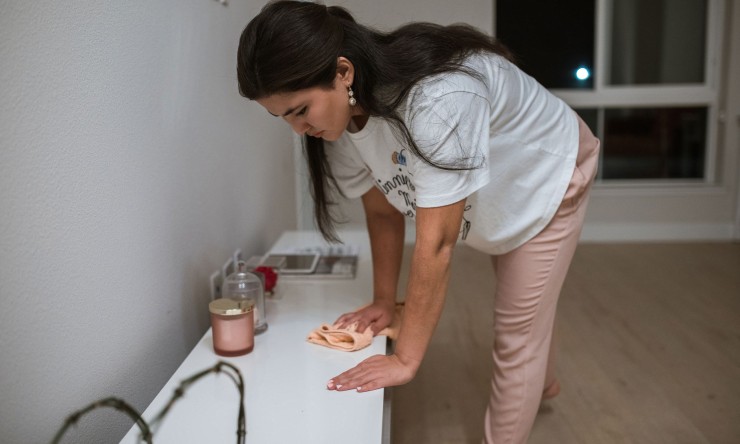
A clean and organized space can make daily activities easier. You do not need to clean your entire room at once. Begin with a small area, such as your desk, bookshelf, or bag.
Put frequently used items in places where you can find them easily. Return things to their proper places after using them. At the end of the day, spend five minutes tidying up your workspace.
You can also organize your digital space. Delete unnecessary screenshots, arrange important files into folders, and keep useful notes together.
Small efforts can prevent clutter from building up. An organized environment can also save time because you will spend less time searching for things.
5. Make Time for Yourself
Daily responsibilities are important, but taking time to relax is important too. Choose activities that help you feel refreshed, such as reading, drawing, gardening, listening to music, or spending time with family.
Try to notice the small things that bring enjoyment to your day. You can write down one thing you appreciated or one thing you learned before going to sleep.
It is also helpful to communicate with people you trust when you need support. You do not have to manage every challenge alone.
Taking breaks does not mean you are wasting time. Rest can help you return to your responsibilities with a clearer mind.
Conclusion
Improving your daily life begins with small, realistic actions. Planning your day, building healthy habits, managing your time, keeping your space organized, and making time for yourself can help you develop a more balanced routine.
Choose one idea and practise it consistently before adding more changes. Everyone has different responsibilities and circumstances, so create a routine that works for you.
Remember, progress does not need to happen all at once. Small steps taken regularly can make everyday life easier and more organized.Extra Tips for Building a Better Routine
Start With Small Goals
When you want to improve your routine, begin with goals that are easy to manage. For example, spend ten minutes organizing your room or make a short list of tasks for the next day. Small goals can help you build confidence and develop consistency over time.
Learn Something New
Learning is another useful way to improve everyday life. You can read a book, practise English, learn a computer skill, or explore a topic that interests you. Even a few minutes of learning each day can help you develop your knowledge.
Try to choose activities that match your interests and available time. You do not need expensive equipment or special resources to begin learning. Many useful skills can be practised with simple tools and free learning materials.
Review Your Progress
At the end of each week, take a few minutes to review your progress. Think about the habits that worked well and the tasks that were difficult to complete. This can help you understand what needs to change in your routine.
Do not compare your progress with other people. Everyone has different responsibilities, abilities, and schedules. Focus on making realistic improvements that suit your own life.
Be Patient With Yourself
Building new habits takes time. Some days will be productive, while other days may be more challenging. Instead of giving up when your plans do not work perfectly, adjust your routine and try again.
The most important thing is to keep learning from your experiences. With patience, planning, and regular practice, you can gradually create a routine that supports your goals and makes everyday responsibilities easier to manage.
By Maryam Noor







Comments 0
Sign in to join the conversation.
No comments yet. Be the first to say something.