

Your Fingers Have a Unique Grip Pattern: Why No Two Hands Work the Same
Introduction
Every human hand looks similar at first glance. We all have five fingers, a palm, and the ability to grasp objects. Yet scientists have discovered something fascinating: no two people grip objects in exactly the same way. Your fingers create a unique grip pattern shaped by biology, brain signals, muscles, fingerprints, and personal experience.
This hidden uniqueness affects everything from how you hold a pen to how athletes catch a ball, how surgeons perform delicate procedures, and even how smartphones recognize their owners.
While many people know that fingerprints are unique, far fewer realize that the way your fingers apply pressure and movement during a grip is also completely individual. Researchers studying biomechanics and neuroscience have found that grip patterns are influenced by the brain, the nervous system, finger length, muscle strength, and lifelong habits.
In this article, we explore the fascinating science behind human grip patterns, why no two hands function the same way, and how this small detail reveals extraordinary complexity about the human body.
What Is a Grip Pattern?
A grip pattern refers to the specific way a person’s fingers, thumb, and palm apply pressure, positioning, and movement when holding or manipulating an object.
When you pick up a cup, your brain automatically coordinates multiple actions:
Finger placement
Pressure strength
Thumb support
Wrist angle
Muscle tension
Even for a simple task like picking up a glass of water, dozens of muscles and nerves work together.
Key Elements of a Grip Pattern
A grip pattern includes several factors:
Finger pressure distribution
Thumb positioning
Finger curvature
Palm contact
Grip force
Movement coordination
Because each person’s hand structure and brain control system are slightly different, the resulting grip pattern becomes uniquely personal.
The Anatomy of the Human Hand
The human hand is one of the most complex structures in the body. Understanding its anatomy helps explain why grip patterns vary so widely.
Bones of the Hand
Each hand contains 27 bones, including:
Carpal bones (8) – wrist bones
Metacarpal bones (5) – palm structure
Phalanges (14) – finger bones
These bones create the framework for movement and grip.
Muscles and Tendons
Hands rely on a network of muscles and tendons that control motion.
There are two main muscle groups:
Intrinsic muscles
Located inside the hand
Responsible for precise finger movements
Extrinsic muscles
Located in the forearm
Provide grip strength and large movements
Together they allow your hand to perform powerful grips and delicate tasks like threading a needle.
Nerves Controlling the Hand
Three main nerves control the hand:
Median nerve
Ulnar nerve
Radial nerve
These nerves transmit signals from the brain to control:
Finger movement
Pressure strength
Touch sensation
Coordination
Because nerve sensitivity varies between individuals, grip control becomes highly personalized.
Why Every Person Has a Unique Grip Pattern

Several biological and neurological factors create individual grip patterns.
1. Finger Length Differences
Finger proportions differ widely among people.
Some individuals have:
Longer index fingers
Shorter ring fingers
Wider palms
Narrow fingertips
These differences influence how fingers wrap around objects.
For example:
A person with longer fingers may grip a baseball differently than someone with shorter fingers.
A pianist’s finger proportions influence their playing technique.
Even small differences in length can change pressure distribution across the hand.
2. Fingerprint Ridge Patterns
Fingerprints do more than identify individuals.
The tiny ridges on the skin increase friction and grip stability.
Three main fingerprint types exist:
Loops
Whorls
Arches
Because each person’s fingerprint pattern is unique, the micro-contact between skin and object differs for every hand.
This affects:
Grip friction
Object control
Slip prevention
Researchers believe fingerprints evolved partly to improve tactile grip efficiency.
3. Brain Motor Control
Your grip pattern is also shaped by the motor cortex, the brain region responsible for controlling movement.
Each time you pick up an object, the brain performs rapid calculations:
Object weight
Surface texture
Shape
Required grip strength
Then it sends signals to your hand muscles within milliseconds.
Over time, the brain learns your preferred grip style, making it faster and more efficient.
4. Muscle Strength and Coordination
Grip strength varies dramatically between individuals.
Factors influencing grip strength include:

Muscle size
Tendon elasticity
Physical training
Occupation
Age
For example:
Rock climbers develop extremely strong finger grips.
Musicians develop highly precise finger control.
This changes how pressure is distributed across the fingers.
5. Personal Habits and Experience
Your life experiences shape how your hands behave.
For instance:
Writers develop pen grip habits.
Smartphone users develop thumb-based grip patterns.
Craftspeople develop tool-specific grips.
Over years, these habits create distinct neuromuscular patterns.
The Role of the Thumb: The Secret to Human Grip
One of the biggest reasons humans have unique grip patterns is the opposable thumb.
The thumb allows humans to:
Pinch small objects
Hold tools
Rotate items
Apply controlled pressure
Without the thumb, precision grip would be impossible.
Types of Thumb Grips
Humans typically use two major thumb grip styles.
Precision grip
Thumb and index finger hold small objects
Used for writing, sewing, or picking up coins
Power grip
Fingers wrap around an object
Thumb stabilizes the grip
Used for holding tools or lifting weights
Every person balances these grips differently.
Types of Human Grips
Scientists studying biomechanics classify several types of grips.
1. Power Grip
A power grip involves wrapping the fingers and palm around an object while the thumb locks it in place.
Examples:
Holding a hammer
Carrying a suitcase
Lifting a dumbbell
Characteristics:
Strong pressure
Full palm contact
High muscle involvement
2. Precision Grip
A precision grip is used for delicate tasks.
Examples:
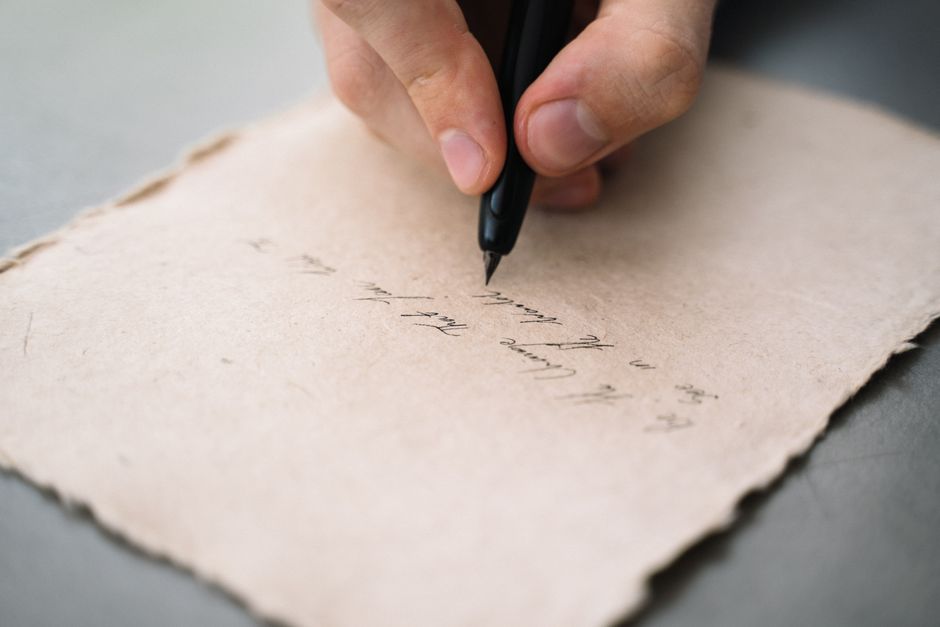
Writing with a pen
Picking up a needle
Using tweezers
Characteristics:
Thumb and fingertip contact
Low pressure
High control
3. Pinch Grip
A pinch grip involves holding an object between the thumb and one or more fingers.
Examples:
Holding paper
Turning a key
Picking up small items
4. Hook Grip
This grip does not rely heavily on the thumb.
Examples include:
Carrying grocery bags
Holding a briefcase
The fingers form a hook shape to support weight.
How Scientists Study Grip Patterns
Researchers use advanced tools to analyze how hands interact with objects.
Pressure Mapping Technology
Special sensors measure pressure distribution across the fingers and palm.
These systems reveal:
Which finger applies the most force
How pressure changes during movement
Differences between individuals
Motion Capture Systems
High-speed cameras track finger movement in three-dimensional space.
This allows scientists to study:
Finger timing
Grip coordination
Movement precision
Grip Strength Dynamometers
A dynamometer measures how strongly someone can squeeze.
Grip strength tests are used to evaluate:
Muscle health
Aging
Neurological conditions
Why Unique Grip Patterns Matter
Grip patterns influence many real-world activities.
Sports Performance
Athletes rely heavily on hand grip techniques.
Examples include:
Baseball pitching
Tennis racket control
Basketball shooting
Rock climbing
Small grip variations can dramatically affect performance and accuracy.
Surgery and Medical Precision
Surgeons depend on highly controlled grip patterns.
A steady grip allows doctors to perform delicate tasks such as:
Microsurgery
Eye surgery
Brain surgery
Training helps refine hand stability and pressure control.
Technology and Biometrics
Modern technology increasingly uses the hand for identification.
Examples include:
Fingerprint scanners
Grip recognition systems
Hand geometry sensors
Future smartphones may recognize users based on how they hold the device.
Tool Design and Ergonomics
Manufacturers design tools to match natural grip patterns.
Examples:
Ergonomic keyboards
Gaming controllers
Surgical instruments
Hand tools
Better grip design reduces fatigue and injury risk.
Grip Patterns Change Over Time
Although grip patterns are unique, they are not fixed forever.
Several factors can change them.
Aging
As people age:
Muscle strength decreases
Joint flexibility reduces
Nerve response slows
This can weaken grip control.
Injury
Hand injuries can alter grip patterns.
Examples include:
Tendon damage
Nerve injuries
Bone fractures
Physical therapy often helps restore functional grip movement.
Training
Certain activities improve grip strength and coordination.
Examples:
Weightlifting
Rock climbing
Playing musical instruments
Martial arts
Over time, training can reshape the brain’s motor control of the hand.
The Evolution of the Human Hand
The human hand evolved over millions of years to support tool use.
Our ancestors needed hands capable of:
Gripping stones
Crafting tools
Climbing trees
Carrying objects
The development of the opposable thumb transformed human ability to manipulate objects.
This evolutionary advantage helped humans develop:
Agriculture
Art
Technology
Complex tools
Surprising Facts About Human Grip
Here are some fascinating facts about your hands.
The human hand contains over 30 muscles.
Hands can perform thousands of unique grip combinations.
The brain dedicates a large portion of the motor cortex to hand control.
Your dominant hand typically has stronger grip strength.
Infants naturally develop grip reflexes before learning coordination.
These facts highlight how remarkably sophisticated the human hand truly is.
Future Technology: Smart Devices That Recognize Grip
Researchers are exploring new technologies based on grip recognition.
Possible future innovations include:
Phones unlocking when they recognize your grip pattern
VR controllers adapting to hand movement
Smart tools adjusting grip resistance
Prosthetic hands that learn personal grip styles
Such technologies could revolutionize human–machine interaction.
Protecting Your Hand Health
Because hands are essential for daily life, protecting them is important.
Tips for Healthy Hands
Take breaks from repetitive movements
Stretch fingers regularly
Strengthen grip muscles with exercises
Maintain good posture when typing
Use ergonomic tools
These simple habits help maintain long-term hand function.
Conclusion
Your hands are far more unique than they appear. While fingerprints have long been known as individual identifiers, scientists now understand that grip patterns are equally personal.
A combination of anatomy, brain control, muscle strength, fingerprint ridges, and life experiences creates a gripping style that belongs only to you. From holding a pen to catching a ball, your hands perform incredibly complex actions with effortless precision.
This remarkable individuality reminds us that the human body is a masterpiece of evolution and engineering. Even something as simple as picking up a cup reveals a hidden world of biomechanics, neural coordination, and personal identity.
The next time you hold an object, remember: no one else in the world grips it exactly the way you do.







Comments 0
Sign in to join the conversation.
No comments yet. Be the first to say something.