

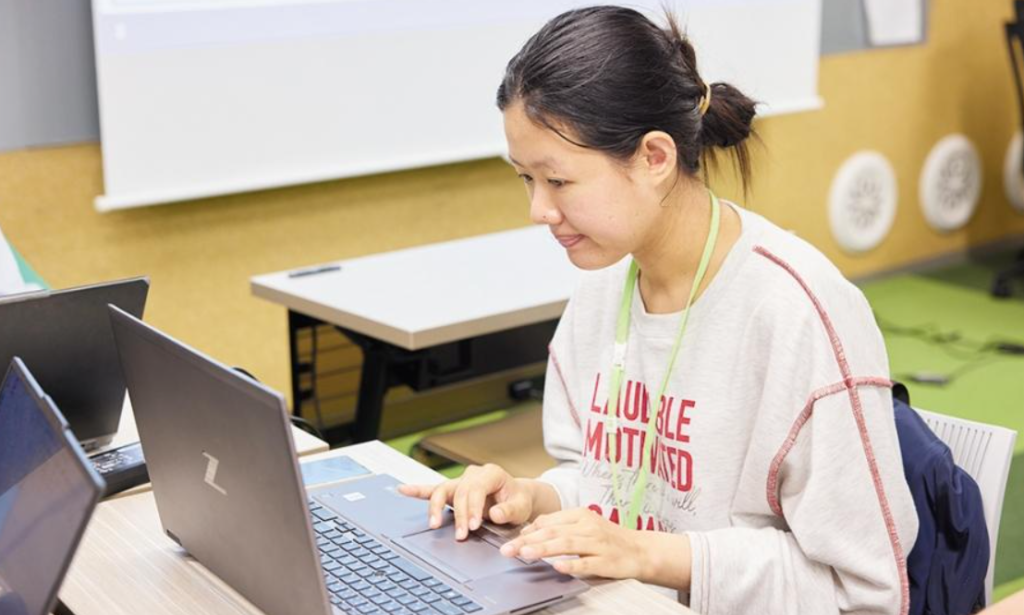
Computer skills have become an important part of modern education. Students use computers to complete assignments, search for information, attend online classes, and develop new skills. Learning basic computer skills can help students become more confident, creative, and prepared for future opportunities. In this article, we will explore why computer skills matter and how students can improve them.
Why Computer Skills Are Important for Students
Computer skills help students in many ways. Today, almost every field of education uses technology. Students who understand how to use computers can complete their schoolwork more easily and find useful information online. They can read educational articles, watch learning videos, prepare assignments, and improve their knowledge. These skills also help students become more confident and independent learners.
Step 1: Learn Basic Computer Skills
The first step for students is to learn basic computer skills. They should understand how to use a keyboard, mouse, and different computer programs. Students can start by learning how to type documents, create folders, save files, and use the internet safely. These simple skills make it easier to complete school assignments and perform daily educational tasks. Regular practice can help students become faster and more confident when using a computer.
Step 2: Use Computers for Education
Students should use computers to improve their learning experience. They can search for educational information, read online books, watch useful lectures, and prepare presentations. Computers also help students organize their notes and complete assignments neatly. When students use technology for learning, they can understand different subjects more easily. However, they should always use trusted websites and avoid wasting time on unnecessary activities.
Step 3: Practice and Develop New Skills
Practice is an important part of learning computer skills. Students should spend some time every day improving their typing, writing, and research abilities. They can also learn basic graphic design, programming, and spreadsheet skills. These abilities can help them in their studies and future careers. Students should start with simple tasks and gradually move towards more advanced skills. With regular practice and patience, anyone can become better at using computers.
Common mistakes to avoid
While learning computer skills, students should avoid some common mistakes. One major mistake is spending too much time on games and social media instead of educational activities. Another mistake is copying information from the internet without understanding it. Students should always read information carefully and write assignments in their own words.
Students should also avoid visiting unsafe websites or downloading unknown files. They should keep their personal information private and use strong passwords to protect their accounts. Finally, they should not feel discouraged when they make mistakes. Learning takes time, and regular practice helps students improve.
Conclusion
Computer skills are very important for students in today's digital world. They make learning easier, improve creativity, and help students prepare for future opportunities. By learning basic computer operations, using technology for education, and practising regularly, students can develop useful abilities.
Every student should try to learn something new about computers every day. Even small steps can make a big difference over time. With patience, interest, and hard work, students can become confident computer users and use technology in a positive way.
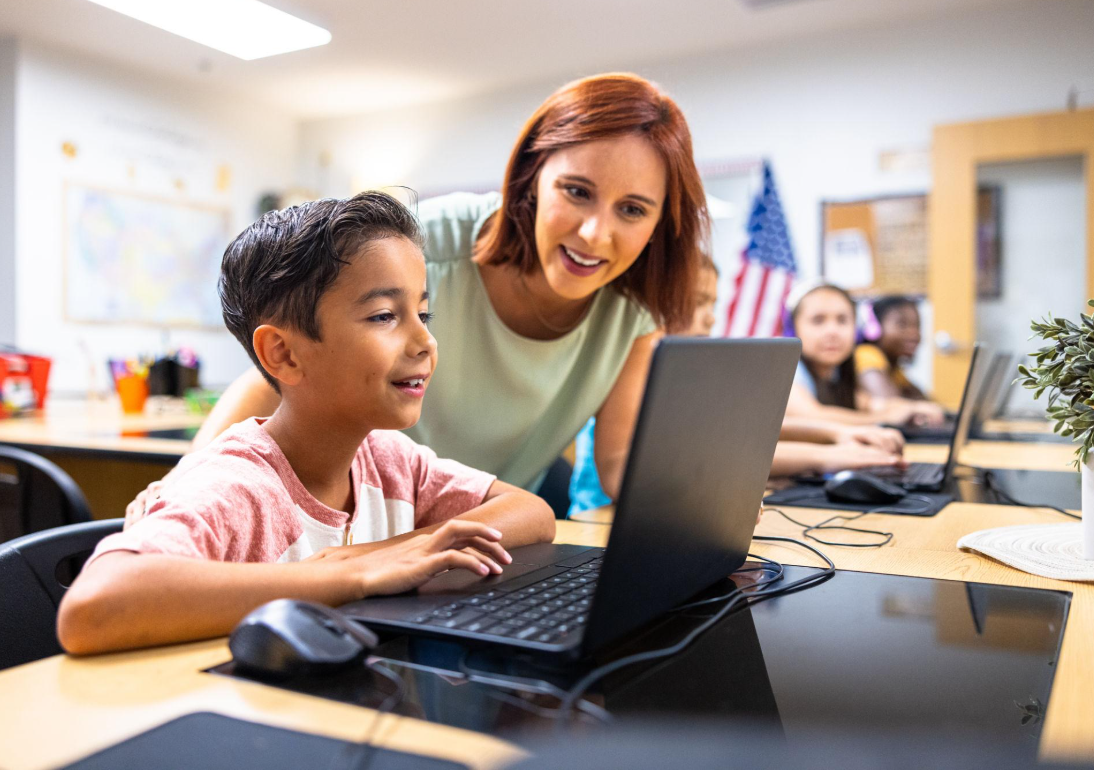
While learning computer skills, students should avoid some common mistakes. One major mistake is spending too much time on games and social media instead of educational activities. Another mistake is copying information from the internet without understanding it. Students should always read information carefully and write assignments in their own words.
Students should also avoid visiting unsafe websites or downloading unknown files. They should keep their personal information private and use strong passwords to protect their accounts. Finally, they should not feel discouraged when they make mistakes. Learning takes time, and regular vhelps students improve.
While learning computer skills, students should avoid some common mistakes. One major mistake is spending too much time on games and social media instead of educational activities. Another mistake is copying information from the internet without understanding it. Students should always read information carefully and write assignments in their own words.
Students should also avoid visiting unsafe websites or downloading unknown files. They should keep their personal information private and use strong passwords to protect their accounts. Finally, they should not feel discouraged when they make mistakes. Learning takes time, and regular practice helps students improve.
Why Learning Computer Skills Is Important for Students
Introduction
Computer skills have become an important part of modern education. Students use computers to complete assignments, search for information, attend online classes, and develop new skills. Learning basic computer skills can help students become more confident, creative, and prepared for future opportunities. In today's digital world, almost every profession requires some knowledge of technology. This is why students should understand how computers work and how they can use them in their daily lives.
1. Easy Access to Information
One of the biggest advantages of computer skills is easy access to information. Students can use the internet to search for educational topics, read articles, and find useful learning materials. They can also watch educational videos and online lectures to understand difficult subjects.
For example, if a student does not understand a mathematics question, they can search for an explanation or watch a tutorial. This allows students to learn at their own speed. However, they should always use reliable websites and check information before including it in their assignments.
2. Better Assignment Preparation
Computer skills help students prepare assignments, presentations, and projects. They can use word-processing programs to write documents, correct spelling mistakes, and organize their work.
Students can also create presentations using slides. These presentations make it easier to explain ideas in front of teachers and classmates. Learning how to save files, create folders, and organize documents also helps students keep their educational work safe.
3. Improving Communication Skills
Computers provide different ways for students to communicate with teachers and classmates. They can send emails, participate in online classes, and share educational documents.
Good communication is important in education and professional life. Students who know how to write clear emails and use online communication tools can express their ideas more effectively. They should also learn online manners and communicate respectfully with others.
4. Learning New and Creative Skills
Computers allow students to explore their creativity. They can learn graphic design, video editing, programming, and other useful skills. These activities help students think creatively and solve problems.
For example, a student interested in designing can learn how to create posters and presentations. Someone interested in technology can begin learning programming. Students do not need to master everything at once. They can start with simple activities and gradually improve.
5. Preparing for Future Careers
Many modern careers require computer knowledge. Doctors, teachers, engineers, designers, business owners, and office workers all use technology in different ways.
Students who develop computer skills during their education may find it easier to understand workplace technology in the future. They can also explore online learning opportunities and build practical abilities that support their career goals.
Basic knowledge of documents, spreadsheets, presentations, and internet research can be useful in many professional fields.
6. Improving Problem-Solving Abilities
Using computers can help students develop problem-solving skills. Sometimes a program does not work correctly, a file cannot be found, or an internet connection stops working. Students learn to identify the problem and look for a solution.
Programming is another activity that develops logical thinking. It teaches students to divide a large problem into smaller steps and solve each step carefully.
These abilities are useful not only in computer studies but also in everyday life.
7. The Importance of Internet Safety
Learning computer skills also means understanding how to stay safe online. Students should never share passwords, private information, or personal details with unknown people.
They should avoid suspicious links, unknown downloads, and websites that appear unsafe. Using strong passwords and trusted websites can help protect their accounts and devices.
Students should also understand that not everything available on the internet is true. They should check information from reliable sources before believing or sharing it.
8. How Students Can Improve Their Computer Skills
Students can improve their computer knowledge through regular practice. They should begin with basic tasks such as typing, creating documents, saving files, and using search engines.
They can follow free educational tutorials and practice







Comments 0
Sign in to join the conversation.
No comments yet. Be the first to say something.