

The Answer Appears, and the Search Ends
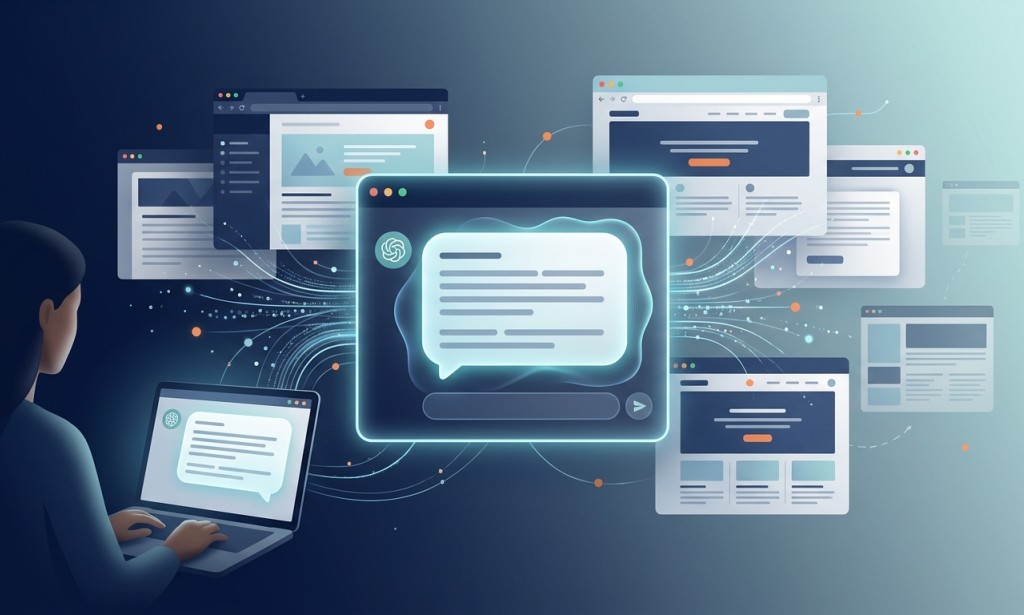
Imagine you are lying in bed and you type “Why does my phone battery drain so quickly?” into a search engine. At the very top of the page, an AI-generated explanation appears that covers the main causes, such as screen brightness, background apps, and old batteries. You read it, feel satisfied, and put your phone down without opening a single website.
That is a very convenient experience, and I use it myself. But there is another side to it that most of us never see. The explanation was probably built from information gathered from technology blogs, help pages, and articles written by people who spent real time testing phones and explaining the results in simple words.
This raises a question worth thinking about. If readers can get the answer without visiting the original websites, what happens to those websites and to the people behind them?
How AI Search Changed the Way We Find Information
For many years, a search engine worked like a signboard. You typed a question, and it showed you a list of links, and then you chose which websites to open and read. The website owner got a visitor, and the visitor got an answer, so both sides gained something.
AI-powered search tools work differently because they read information from several sources and then write one direct answer. This means people now have three very different options. They can search for information and open a website; they can simply read the AI summary and stop there, or they can follow a citation link inside the summary to check the source.
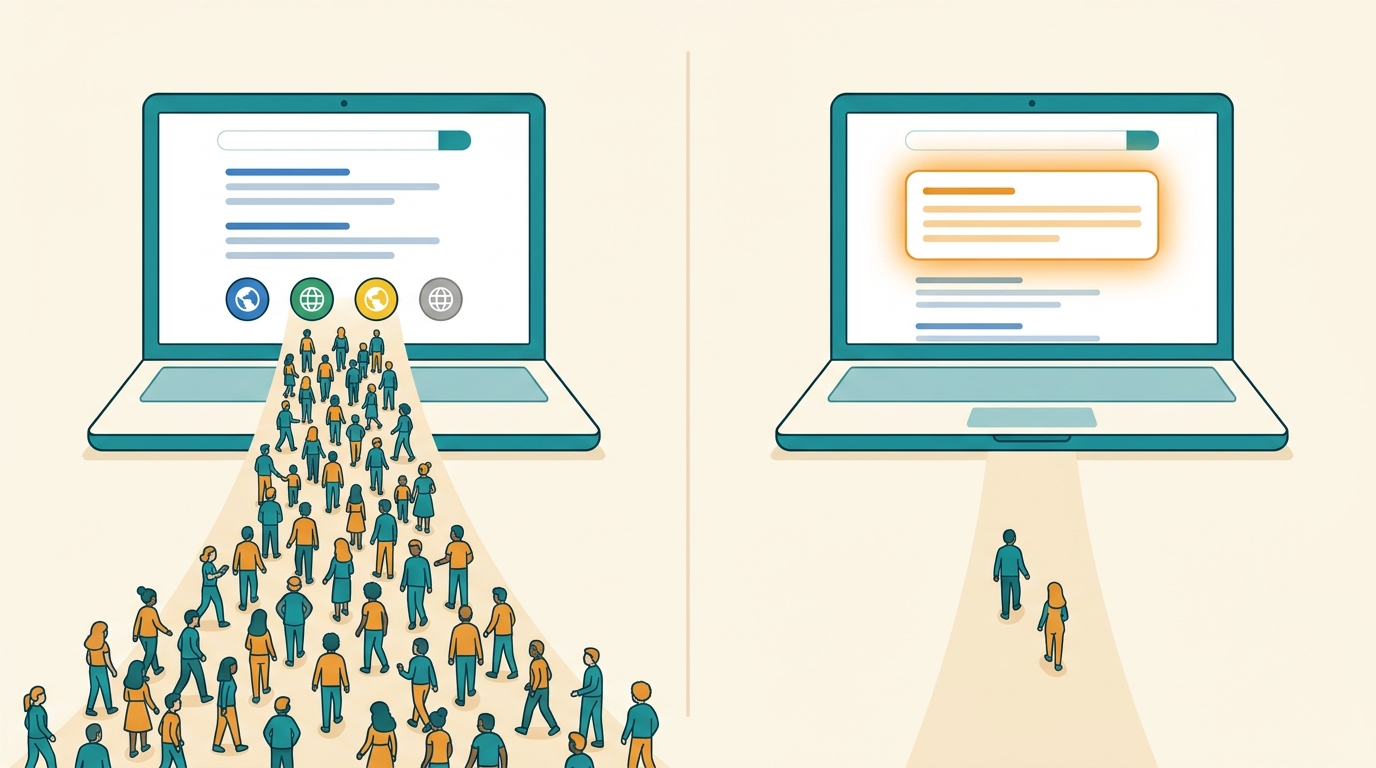
There is a name for the second behaviour, which is a “zero-click search". It describes the situation where a person finds enough information on the results page itself, so they never click through to an outside website. Most of us have done this many times without thinking about it, especially for simple questions.
What Happens When Readers Stop Clicking?
To see how big this change is, it helps to look at real data instead of guessing. The Pew Research Center, a well-known research organisation in the United States, studied the browsing activity of 900 American adults who agreed to share their online behaviour during March 2025. The researchers looked at almost 69,000 Google searches, and about 18% of them produced an AI summary.
The results were quite clear. When an AI summary appeared, people clicked on a normal search result in 8 percent of their visits, but when no summary appeared, they clicked in 15% of their visits, which is almost twice as often. People also very rarely clicked the links inside the AI summary itself, and this happened in only 1% of visits. In addition, users ended their browsing session entirely after 26% of the pages with an AI summary, compared with 16% of the pages without one.
The study also found that questions are more likely to trigger AI summaries. About 60% of searches that began with words like “who,” “what,” “when,” or “why” produced a summary, which is exactly the style of question people ask when they want to learn something.
We should be careful about what these numbers really mean. The study looked only at American adults, only at Google, and only at one month, so it cannot tell us exactly what is happening for every website in every country. It also does not prove that every blog or news site is losing visitors. The effect can be different depending on the topic, the type of question, and the audience.
Still, the numbers give us a reasonable picture of the pressure that different kinds of websites may feel. That includes independent bloggers and niche publishers, news sites and specialist magazines, educational and reference websites, and small businesses that depend on search traffic to find customers.
The People Behind the Answers
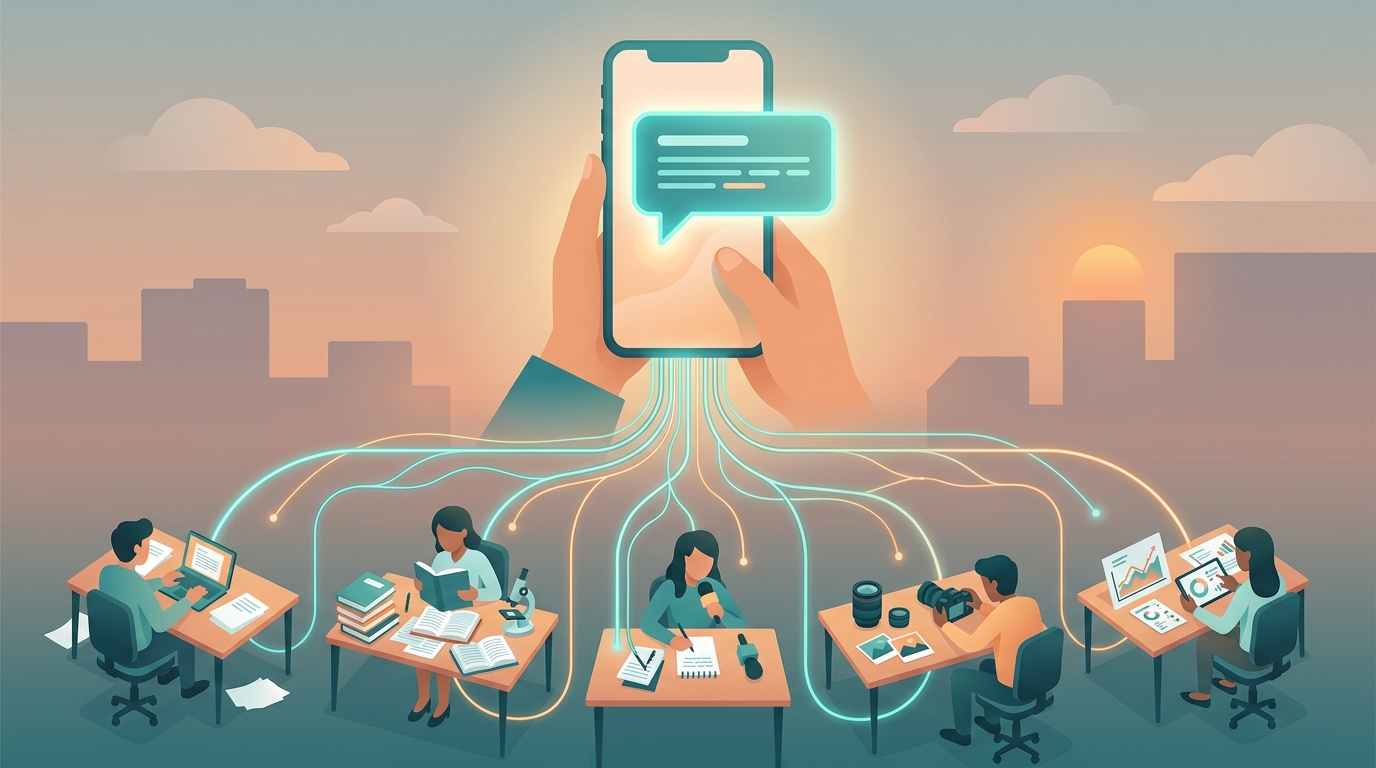
It is easy to forget how much work sits behind a single helpful article. A writer may spend hours researching a topic, comparing different sources, talking to experts, or testing a product with their own hands. Then they spend more time turning a complicated idea into something an ordinary reader can understand.
AI search tools can make that knowledge easier to reach, which is a real benefit for readers. However, a summary does not always send the reader back to the person who created the original work, and that matters because websites usually earn money through visits.
When fewer people arrive at a website, several things can happen over time:
The site shows fewer advertisements, so it earns less advertising income.
There are fewer chances to turn readers into subscribers or members.
Fewer readers discover the other articles on the same site.
Independent writers find it harder to build an audience from nothing.
There is an important difference between using information to answer a question and sending readers to the people who produced it. Both actions can create value for someone, but they do not bring the same financial result to the writer.

If AI Uses Website Content, Who Benefits?
It would be unfair to present AI as the villain in this story. AI search saves time, brings together information from many places, and helps people understand topics they had never explored before. Sometimes it even points readers to sources they would not have found on their own.
At the same time, publishers may contribute valuable material without receiving a fair number of visits in return. This leaves us with a few open questions that do not have simple answers:
Should AI answers make it easier for readers to find and open the sources?
How much visibility should a publisher get when its work helps create an AI answer?
What happens if original information becomes too expensive to produce because fewer readers visit the sites that publish it?
These are questions about the future of the online information world, and different people will reasonably answer them in different ways.
What the Evidence Says About Website Traffic
Pew looked at what people do, but another group of researchers asked a slightly different question. They wanted to know how much traffic a real website actually loses once AI summaries arrive. A 2026 research paper by Mehrzad Khosravi and Hema Yoganarasimhan, titled Impact of AI Search Summaries on Website Traffic: Evidence from Google AI Overviews and Wikipedia, tried to answer this using Wikipedia as an example.
Google did not launch its AI Overviews in every country at the same time, and this gave the researchers a natural way to compare. They looked at the number of visits that came from search engines to English Wikipedia articles, and they compared them with visits to the same articles in the German and French editions. Based on this comparison, they estimated that the arrival of AI Overviews reduced English search traffic by about 5%, with their two estimates coming out at 5.45% and 4.82%.
That number may look small at first, but we should think about it carefully. Wikipedia remained fully available and well known, and yet it still lost a measurable share of its visits. The authors conclude that tools that produce direct answers can move readers’ attention away from the websites that provide the information, which could affect how those websites earn money.
There are also limits to this result. Wikipedia is a special kind of website because it is free, very famous, and run by a nonprofit organization, so we should not treat this estimate as the expected loss for every blog, news site, or business page. The paper is also a preprint on arXiv, which means it has been shared publicly but may still be revised by its authors.
Taken together, the two studies tell a consistent story. People click less when they see a summary, and websites can lose some visits even when they are very well known. What remains uncertain is exactly how large the loss is for different kinds of websites.
What Other Research Adds
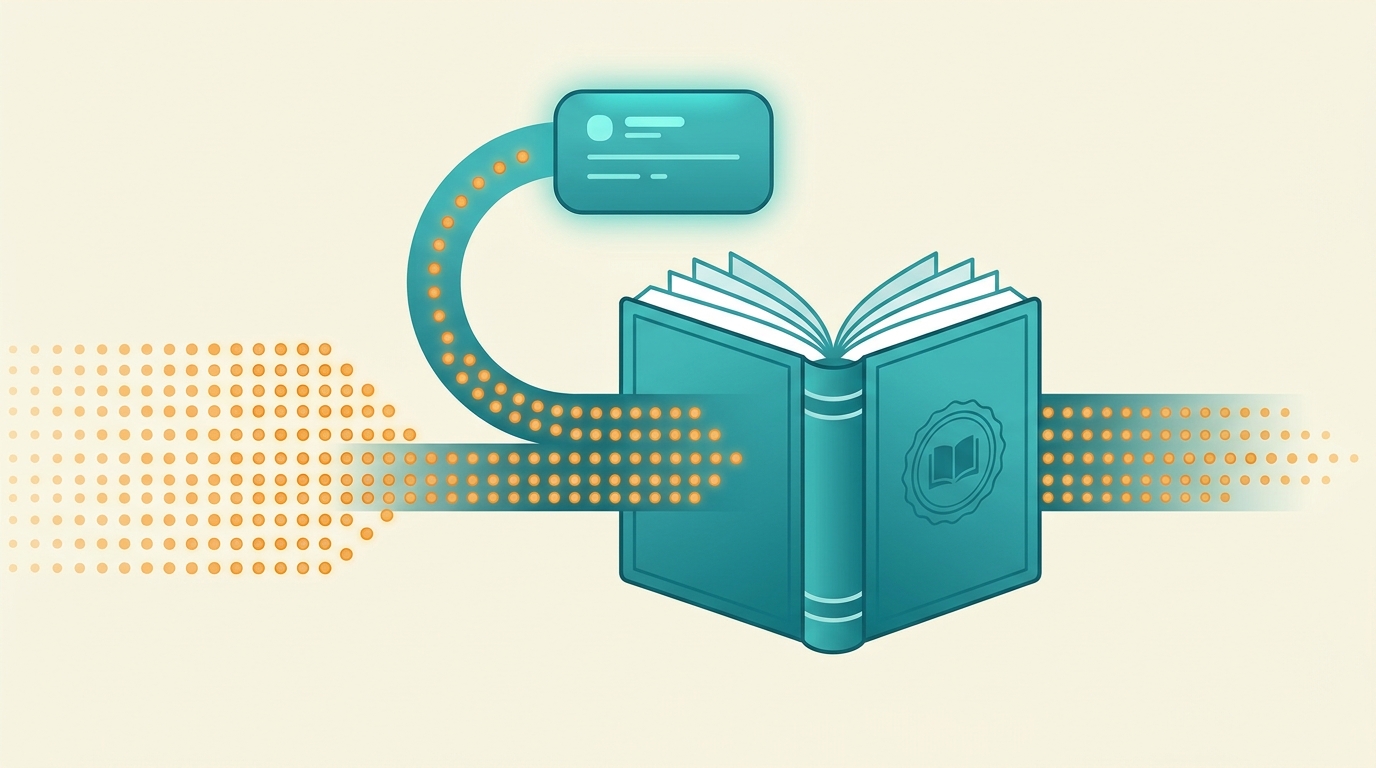
A recent overview by Michelle Manafy at Digital Content Next, called “The evidence is clear: AI search is costing publishers”, brings several studies together in one place. It describes a controlled experiment in which the presence of an AI Overview reduced outbound clicks by 39.8%, and it also repeats the Pew findings that we discussed above.
The article makes another useful point about replacement traffic. Referrals from AI chatbots are growing quickly, yet they remain tiny compared with traditional search. Using data from a report by the Reuters Institute, it notes that Google Search sent roughly 500 times as much referral traffic to publishers as ChatGPT did, so AI platforms are not yet making up for the visits that are lost.
The same report also adds a fair warning, which is that AI Overviews cannot explain all of the decline in Google referrals, because algorithm changes, publisher strategies, and shifts in audience habits also play a role. It is also worth remembering that Digital Content Next is a trade group for publishers, so its summary reflects the publishers’ point of view, even though it relies on outside studies.
Can Websites Adapt to an AI-First Internet?
Nobody can promise that a website will win back its lost visitors, but there are sensible ways to prepare for a changing internet. Publishers who adapt will probably do several things at once:
Create original work that a summary cannot copy, such as interviews, first-hand testing, surveys, and local reporting.
Build direct relationships with readers through newsletters, communities, and memberships, so they do not depend only on search.
Develop a clear area of expertise instead of publishing general articles that anyone could write.
Make authorship, sources, and evidence easy to see, so readers have a reason to trust the page.
Track where visitors come from, and not just where the page ranks in search results.
These are possible strategies and not guaranteed solutions. Still, original reporting, specialist knowledge, and a loyal community offer something that a three-paragraph summary cannot fully replace.
What Happens If the Original Sources Disappear?
Here is the long-term worry that keeps many writers awake. Suppose more and more people rely on summaries, and fewer publishers can afford to produce detailed work because the income is too small.
In that situation, independent websites might publish less original material, and AI systems would have less fresh reporting, research, reviews, and explanations to learn from. The tools that depend on high-quality information could slowly weaken the very supply of information they need.
This is a possible risk and not a certain outcome. The future will depend on the choices made by AI companies, publishers, readers, and advertisers. Whatever happens, access to information and the continued production of reliable information are closely connected, and we need to protect both of them.
An Answer Is Not the Whole Story
Let us return to the person lying in bed with a draining phone battery. They found a helpful answer in seconds, and that convenience has real value that we should not ignore.
Yet that answer rests on a large network of writers, researchers, journalists, and publishers whose work continues to exist beyond the summary on the screen. So the question we should all keep in mind is this one: if AI can answer our questions without sending us to the sources, how do we make sure those sources can afford to keep producing the answers we need?
Frequently Asked Questions (FAQs)
What is a zero-click search?
A zero-click search happens when a person gets enough information from the search results page itself, so they never open any outside website.Do AI summaries really reduce clicks on websites?
Pew Research found that users clicked a normal search result in 8 percent of visits when an AI summary appeared and in 15 percent of visits when it did not, although that study covered only American Google users in one month.Does this mean every website is losing traffic because of AI?
No, because the effect can differ by topic, type of question, audience, and website, and some sites may be affected much less than others.How much traffic did Wikipedia lose after AI Overviews appeared?
A 2026 research paper estimated that English Wikipedia lost about 5 percent of its search traffic, but this result should not be applied directly to every other website.Do AI summaries link to their sources?
Many of them do, but Pew found that people clicked those links in only about 1 percent of visits, so the links do not send many readers to the original pages.Is AI search bad for readers?
Not necessarily, since it can save time and explain difficult topics, but readers should still check important facts by visiting trusted sources.What can small bloggers do to protect their audience?
They can focus on original work, build a newsletter or community, show their expertise clearly, and avoid depending on search traffic alone.How can readers support the websites they trust?
Readers can visit the original article when a topic matters to them, subscribe to creators they value, and share good work with other people.







Comments 0
Sign in to join the conversation.
No comments yet. Be the first to say something.