


Ischemic Coronary Disease (ICI) happens when restricted supply routes limit blood stream to your heart, hurting it. It's additionally called Coronary illness. To safeguard yourself as well as other people:
Control risk factors:
Diminish cholesterol: Practice good eating habits fats, work-out routinely, oversee weight.
Oversee circulatory strain: Screen and treat with drug if necessary.
Quit smoking: Stopping fundamentally diminishes ICI risk.
Control diabetes: Keep up with solid glucose levels.
Limit liquor: Exorbitant utilization demolishes ICI risk.
Way of life changes:
Eat a decent eating routine: Spotlight on natural products, vegetables, entire grains, and lean protein.
Work-out routinely: Go for the gold 150 minutes of moderate-power practice each week.
Oversee pressure: Track down sound ways of adapting like reflection or yoga.
Ordinary exams: Get evaluated for ICI risk factors early and oversee them proactively.
Early discovery:
Know about ICI side effects like chest torment, windedness, and exhaustion. Look for clinical consideration right away assuming you experience any unsettling side effects. By effectively overseeing risk factors and embracing solid propensities, you can essentially diminish your ICI hazard and help other people do likewise. Keep in mind, avoidance is critical!

Life is so beautiful love it.
Ischemic Coronary Disease: Understanding, Prevention, and Protection
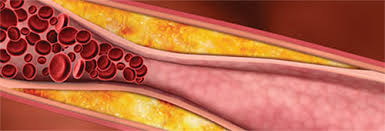
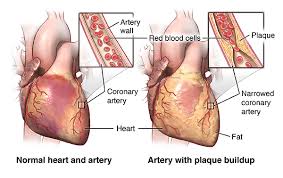
Ischemic Coronary Disease (ICD), also known as coronary artery disease (CAD), is a serious heart condition that arises when the coronary arteries, which supply blood to the heart muscle, become narrowed or blocked. This occurs due to the buildup of fatty deposits called atherosclerosis, which can restrict or even completely block blood flow to the heart. When blood flow is reduced, the heart muscle does not receive enough oxygen, leading to chest pain (angina), shortness of breath, or even a heart attack.
Causes of Ischemic Coronary Disease
The primary cause of ischemic coronary disease is atherosclerosis, where plaque—composed of cholesterol, fat, and other substances—accumulates on the inner walls of the coronary arteries. Over time, this plaque narrows the arteries, making it harder for blood to flow freely to the heart. A rupture of the plaque can lead to blood clot formation, further blocking blood flow and potentially causing a heart attack.
Other risk factors contributing to ICD include:
- Age: The risk of ischemic coronary disease increases as a person ages.
- Family history: A history of heart disease in the family raises the risk.
- High cholesterol: Elevated levels of LDL (bad cholesterol) can accelerate plaque buildup.
- High blood pressure: It damages the arteries, making them more susceptible to plaque accumulation.
- Smoking: Smoking causes damage to the heart and blood vessels.
- Diabetes: High blood sugar can damage blood vessels and increase the risk of CAD.
- Lack of physical activity: Sedentary lifestyle contributes to other risk factors like obesity and high blood pressure.
- Obesity: Being overweight increases the risk of high blood pressure, high cholesterol, and diabetes.
Symptoms of Ischemic Coronary Disease
Symptoms of ICD may include:
- Chest pain or discomfort (angina)
- Shortness of breath
- Fatigue
- Dizziness or lightheadedness
- Pain in the shoulders, neck, or jaw
In some cases, however, people may have no noticeable symptoms until a heart attack occurs.
How to Protect Yourself and Others from Ischemic Coronary Disease
Although ischemic coronary disease is a serious condition, many preventive measures can reduce the risk of developing it or help manage it. Here’s how we can safeguard our health:
-
Adopt a Heart-Healthy Diet:
Eating a diet rich in fruits, vegetables, whole grains, and lean proteins can help manage cholesterol and blood pressure. Limiting saturated fats, trans fats, and processed sugars reduces the risk of plaque buildup. Foods like fatty fish (salmon, mackerel), nuts, and olive oil are beneficial for heart health. -
Stay Active:
Regular physical activity strengthens the heart and helps lower cholesterol, blood pressure, and weight. Aim for at least 150 minutes of moderate-intensity exercise, such as brisk walking, every week. Exercise also improves circulation and reduces stress levels, both of which are crucial for heart health. -
Quit Smoking:
Smoking damages blood vessels and promotes the formation of plaque. Quitting smoking can significantly reduce the risk of ischemic coronary disease and improve overall cardiovascular health. -
Maintain a Healthy Weight:
Being overweight or obese increases the likelihood of developing high blood pressure, high cholesterol, and diabetes. Maintaining a healthy weight through proper diet and exercise is crucial for heart health. -
Control Blood Pressure and Cholesterol:
Regularly monitor your blood pressure and cholesterol levels. If they’re high, work with your doctor to manage them. Medication may be necessary for some people to keep these levels within a healthy range. -
Manage Stress:
Chronic stress can increase blood pressure and contribute to unhealthy behaviors like poor eating habits and smoking. Practicing relaxation techniques such as deep breathing, meditation, or yoga can help manage stress and promote heart health. -
Regular Health Check-ups:
Regular visits to the doctor for check-ups, blood pressure, and cholesterol monitoring are essential, especially for individuals with a family history of heart disease or other risk factors. -
Control Diabetes:
Proper management of blood sugar levels is critical for those with diabetes. A balanced diet, regular exercise, and medication can help control diabetes and prevent further complications. -
Limit Alcohol Consumption:
Excessive drinking can lead to high blood pressure, weight gain, and other heart-related issues. Moderation is key—up to one drink per day for women and two for men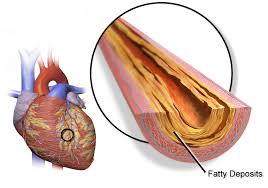
Conclusion
Ischemic coronary disease is a serious and often life-threatening condition, but with proper lifestyle changes, it is possible to prevent or manage the disease. By maintaining a healthy diet, staying active, managing stress, and keeping track of important health markers, we can greatly reduce the risk of this condition. If you have any risk factors or symptoms, it’s essential to seek medical advice early for proper diagnosis and treatment. Safeguarding our heart health today can lead to a longer, healthier life.







Comments 0
Sign in to join the conversation.
No comments yet. Be the first to say something.