

1. Introduction to Pedal Tennis
Pedal tennis is a modern racket sport that blends the fundamentals of tennis with some unique twists, making it easier to pick up and play for a wide range of people. The game is played on a smaller court, which allows for faster gameplay and shorter rallies. The name “pedal tennis” is sometimes used interchangeably with “paddle tennis,” though variations exist depending on the region. It’s especially popular in urban areas where space is limited and players want a fun, social alternative to traditional tennis.
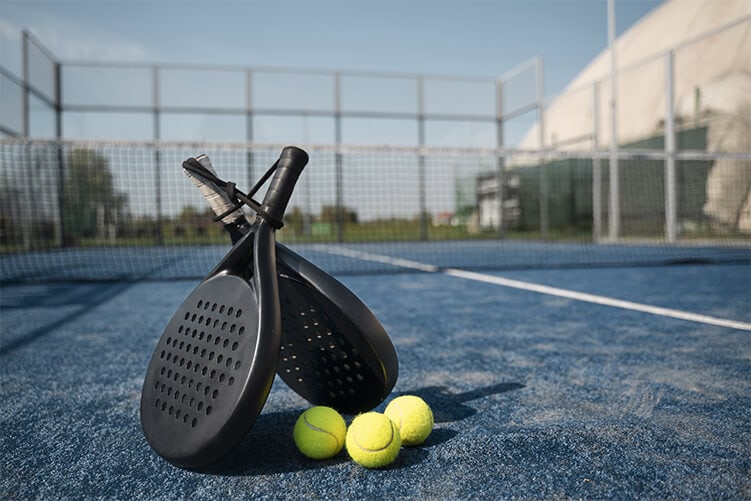
Pedal tennis courts are typically about half the size of a regular tennis court and feature a lower net. The paddles used are solid and perforated rather than stringed rackets, and the balls are similar to tennis balls but slightly less pressurized to control speed. This adaptation makes the sport less physically demanding but highly strategic, focusing on quick reflexes, placement, and teamwork.

2. How Pedal Tennis Differs from Traditional Tennis
The most obvious difference between pedal tennis and traditional tennis is the court size and equipment. Pedal tennis courts are approximately 50 feet long and 20 feet wide, compared to the standard tennis court length of 78 feet and width of 27 feet for singles. The net height in pedal tennis is also lower, allowing for more volleys and net play.
Another key difference is the paddle itself. Unlike the stringed racket used in tennis, pedal tennis paddles are solid and made of composite materials, which provide a different feel and control. The ball used in pedal tennis is slightly depressurized, which slows down the game and makes it easier to rally.
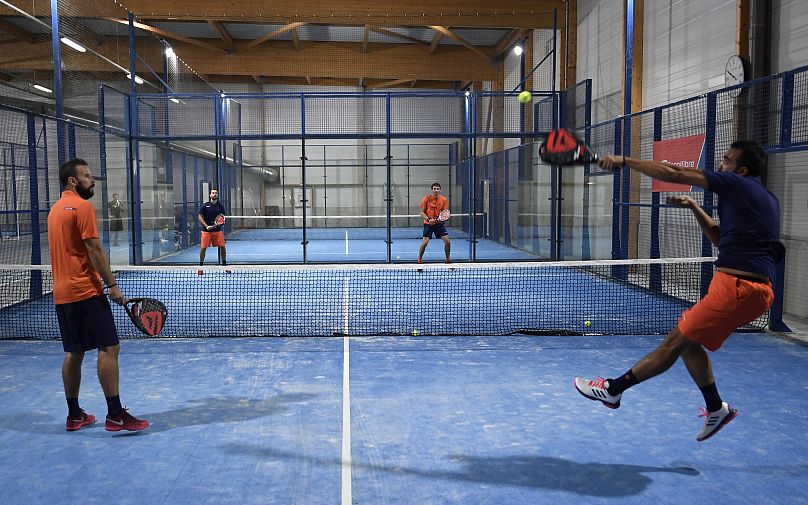
Pedal tennis matches are typically played in doubles format, promoting social interaction and teamwork. The smaller court size and unique equipment make it more accessible to players who may find traditional tennis physically challenging.
3. Rules and Equipment of Pedal Tennis
Pedal tennis follows many of the same scoring rules as traditional tennis but with a few key differences. Matches are generally played as best of three sets, with games played to four points and a two-point margin needed to win a game. The serve must be underhand, and players are not allowed to volley on the service return, which helps keep rallies longer.
Equipment-wise, the paddle tennis paddle is solid with holes drilled in it to reduce wind resistance and weight. The ball resembles a tennis ball but is less pressurized, making it slower and easier to control. Courts can be indoor or outdoor and require less space, which helps the sport grow in popularity, especially in urban and community settings.

4. Benefits of Playing Pedal Tennis
Pedal tennis offers numerous benefits, especially for those looking for a less intense alternative to traditional tennis. The smaller court size and slower ball speed reduce the physical strain on joints, making it ideal for players of all ages. It improves hand-eye coordination, reflexes, and cardiovascular health while fostering social connections through doubles play.
Additionally, pedal tennis is easier to learn for beginners due to the forgiving equipment and court dimensions. It provides a great way for former tennis players to stay active and competitive without the physical demands of full-court tennis.

5. The Growing Popularity of Pedal Tennis
Pedal tennis has been gaining traction globally, especially in areas where space and time for sports are limited. Its appeal lies in its accessibility, social nature, and fun gameplay. Community centers, parks, and clubs are increasingly adding pedal tennis courts to their facilities.
The sport also enjoys a supportive competitive scene, with local and national tournaments helping to increase its visibility. Social media and grassroots organizations continue to promote pedal tennis as an inclusive and engaging alternative to traditional racket sports.
6. How to Get Started with Pedal Tennis
Getting started with pedal tennis is straightforward. Many local tennis clubs and community centers now offer pedal tennis courts and beginner classes. Players only need a paddle and appropriate footwear to begin.
Newcomers are encouraged to start with lessons or clinics to understand the unique rules and techniques of the game. Joining local clubs or social groups centered around pedal tennis can help players develop skills while enjoying the community aspect of the sport.


You must be logged in to post a comment.