


Maintaining a balanced diet is essential for promoting health and longevity, and at the core of this balance lies an understanding of macronutrients and micronutrients. These two categories of nutrients are integral to supporting bodily functions, growth, and overall vitality. In this article, we'll dive into the importance of macronutrients—carbohydrates, proteins, and fats—as well as micronutrients, such as vitamins and minerals. We will examine their functions, sources, and how to ensure your diet includes the right proportions of each.

What Are Macronutrients?
Macronutrients are nutrients required by the body in relatively large amounts. These nutrients provide the energy necessary for daily bodily functions and are essential for growth and overall health. There are three main types of macronutrients: carbohydrates, proteins, and fats.

1. Carbohydrates: The Body’s Primary Energy Source
Carbohydrates are the body’s primary and most efficient energy source. They are found in foods like fruits, vegetables, grains, legumes, and dairy products. When you consume carbs, your body breaks them down into glucose (sugar), which is used by cells as fuel.
Carbohydrates can be classified into two categories:
- Simple carbohydrates: These are found in foods like fruits, milk, and processed sweets. They are quickly digested and cause a rapid increase in blood sugar.
- Complex carbohydrates: These include whole grains, vegetables, and legumes. They take longer to digest and provide a more sustained release of energy.
While carbohydrates often have a bad reputation in popular diets, they are vital for providing energy, especially for high-intensity activities like exercise. A lack of carbs can lead to fatigue, weakness, and difficulty concentrating.

2. Proteins: Building Blocks of the Body
Proteins are crucial for the growth, repair, and maintenance of tissues in the body. Made up of amino acids, proteins are involved in virtually every function of the body, from muscle repair to immune defense. There are 20 amino acids, 9 of which are essential, meaning they must be obtained through food.
Good sources of protein include:
- Animal-based sources: Meat, poultry, fish, eggs, and dairy.
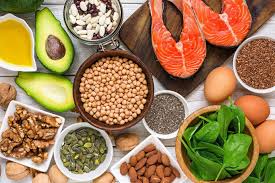
- Plant-based sources: Legumes (beans, lentils), nuts, seeds, and tofu.
Proteins are especially important for athletes and individuals looking to build muscle or recover from injury. They help repair damaged tissue and promote muscle growth after physical activity. Consuming protein-rich foods at regular intervals throughout the day helps maintain a steady supply of amino acids, which is key to muscle health and overall recovery.
3. Fats: Vital for Hormone Regulation and Energy Storage
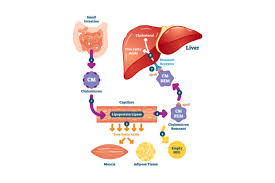
Fats are a concentrated source of energy, providing more calories per gram than carbohydrates or proteins. Though fats have often been demonized in some diets, they are actually essential for several bodily functions. Healthy fats, such as those found in avocados, olive oil, nuts, and fish, support cell structure, hormone production, and absorption of fat-soluble vitamins (A, D, E, and K).
Fats can be broken down into three types:
- Saturated fats: Found in animal products like meat and dairy, as well as in some plant oils like coconut oil. While some saturated fat is necessary for health, it should be consumed in moderation.
- Unsaturated fats: These are considered the healthiest fats, found in foods like olive oil, nuts, seeds, and fatty fish. Unsaturated fats can help lower bad cholesterol levels and reduce the risk of heart disease.
- Trans fats: Often found in processed foods and baked goods, trans fats are unhealthy fats that should be avoided as they contribute to heart disease and other health issues.
What Are Micronutrients?
While macronutrients provide the energy needed for basic bodily functions, micronutrients (vitamins and minerals) are essential for more specific functions like immune health, bone strength, and metabolism. Although they are required in much smaller amounts than macronutrients, they are just as important for maintaining health.
1. Vitamins: Vital for Metabolic Processes
Vitamins are organic compounds that the body needs to function properly. They assist in a wide range of bodily processes, from energy production to immune function and cell repair.
Some important vitamins include:
- Vitamin A: Essential for good vision, immune function, and skin health. Found in foods like carrots, sweet potatoes, and spinach.
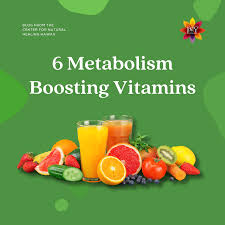
- Vitamin C: Known for its role in boosting the immune system and acting as an antioxidant. Found in citrus fruits, strawberries, and bell peppers.
- Vitamin D: Vital for calcium absorption and bone health. It can be synthesized by the body through exposure to sunlight, and is also found in fatty fish, fortified milk, and egg yolks.
- Vitamin E: An antioxidant that helps protect cells from oxidative damage. Found in nuts, seeds, and vegetable oils.
Different vitamins serve different functions, and deficiencies in any one of them can lead to a range of health problems, from weakened immunity to bone fractures.
2. Minerals: Involved in Critical Body Functions
Minerals are inorganic compounds that are essential for bone health, muscle function, nerve transmission, and more. They are divided into two categories: major minerals and trace minerals.
Key minerals include:
- Calcium: Necessary for strong bones and teeth, as well as proper muscle function. Found in dairy products, leafy greens, and fortified plant-based milk.
- Iron: Needed for the production of hemoglobin, which helps transport oxygen in the blood. Found in red meat, beans, and spinach.
- Magnesium: Important for muscle function, nerve signaling, and energy production. Found in nuts, seeds, and whole grains.
- Potassium: Helps regulate fluid balance and muscle contractions. Found in bananas, potatoes, and leafy greens.
Mineral deficiencies can lead to a variety of health issues, such as anemia (iron deficiency) or bone diseases like osteoporosis (calcium deficiency).
Balancing Macronutrients and Micronutrients
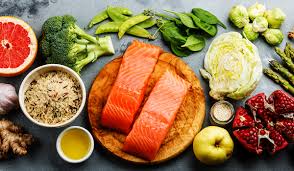
To maintain optimal health, it’s essential to strike the right balance between macronutrients and micronutrients in your diet. While macronutrients supply energy and support growth, micronutrients support the biochemical processes that keep your body running smoothly. A diet rich in whole, nutrient-dense foods is key to getting both macronutrients and micronutrients in the right amounts.
Here are some tips for balancing your intake:
- Eat a variety of whole foods from all food groups to ensure you’re getting enough of each nutrient.
- Choose complex carbohydrates (whole grains, fruits, and vegetables) over refined ones to ensure a steady energy supply.
- Include healthy fats (olive oil, avocados, nuts) while limiting unhealthy trans fats.
- Incorporate a mix of lean proteins and plant-based sources to support muscle health and overall function.
- Ensure your diet includes colorful fruits and vegetables to provide a wide range of vitamins and minerals.

Conclusion
Macronutrients and micronutrients are both crucial for good health, albeit in different ways. By understanding their functions and the role they play in your overall well-being, you can make more informed decisions about your diet. Prioritizing a variety of nutrient-rich foods will help ensure your body gets the energy, building blocks, and essential vitamins and minerals it needs to function optimally. Balancing these nutrients properly will give you a solid foundation for a healthier life.






Comments 0
Sign in to join the conversation.
No comments yet. Be the first to say something.