


Celiac disease is an autoimmune disorder that affects the digestive system when a person consumes gluten, a protein found in wheat, barley, rye, and their derivatives. When individuals with celiac disease eat gluten, their immune system mistakenly attacks the lining of the small intestine, causing inflammation and damage. Over time, this can lead to nutrient deficiencies, digestive issues, and various other symptoms that affect overall health.
This comprehensive guide will walk you through the essential aspects of celiac disease and how adopting a gluten-free diet is critical for managing it. We’ll explore the symptoms, diagnosis, and lifestyle changes necessary for someone with celiac disease to live a healthy life.

What Is Celiac Disease?
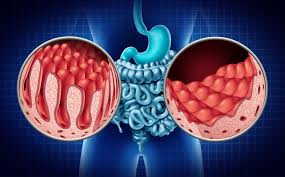
Celiac disease is more than just a food intolerance; it is an autoimmune disorder. It affects approximately 1 in 100 people globally, though many remain undiagnosed. For people with celiac disease, consuming even small amounts of gluten can cause the immune system to damage the villi, the tiny finger-like projections in the small intestine that help absorb nutrients. This damage impairs nutrient absorption, which can lead to malnutrition and a range of other health complications.
Common Symptoms of Celiac Disease
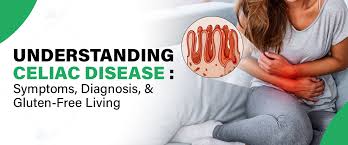
The symptoms of celiac disease can vary greatly from person to person, and some may not experience any digestive symptoms at all. Common symptoms include:
- Gastrointestinal Symptoms: Chronic diarrhea, constipation, bloating, and abdominal pain.
- Fatigue: Feeling unusually tired due to malabsorption of essential nutrients.
- Weight Loss: Unexplained weight loss despite normal or increased eating habits.
- Skin Rash (Dermatitis Herpetiformis): An itchy, blistering rash often seen on elbows, knees, or buttocks.
- Nutritional Deficiencies: Low iron levels, calcium deficiencies, and anemia.
- Joint Pain and Headaches: Often associated with inflammation.
- Growth Issues in Children: Poor growth or delayed puberty.
Some people may experience none of the above symptoms, making celiac disease challenging to diagnose without medical tests.
Diagnosis of Celiac Disease
If you suspect that you have celiac disease, it’s crucial to consult a healthcare professional for a proper diagnosis. The diagnostic process typically includes:
- Blood Tests: These check for elevated levels of certain antibodies, such as tissue transglutaminase (tTG) or endomysial antibodies (EMA). High levels of these antibodies may indicate celiac disease.
- Genetic Testing: Doctors may check for the presence of specific genetic markers (HLA-DQ2 or HLA-DQ8), which are common in people with celiac disease.
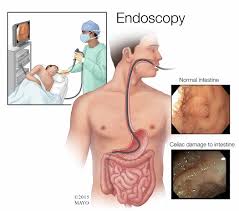
- Endoscopy with Biopsy: A biopsy of the small intestine is the gold standard for diagnosis. The doctor may take a tissue sample to examine the level of damage to the villi.
It’s essential to be eating gluten at the time of testing for an accurate result, as the body’s immune response is triggered only when gluten is consumed.
The Gluten-Free Diet: The Only Treatment for Celiac Disease
The cornerstone of managing celiac disease is adopting a strict gluten-free diet. Since gluten triggers the immune system’s response and causes damage to the intestines, the only way to manage the disease is by eliminating gluten entirely from the diet.
What to Avoid on a Gluten-Free Diet
The most obvious foods to avoid are those made from wheat, barley, and rye. These include:
- Bread, pasta, and baked goods made with wheat flour.
- Cereals containing barley, wheat, or rye.
- Beer and malt beverages, which are made from barley.
- Processed foods: Many processed foods contain hidden gluten in the form of additives, stabilizers, and thickeners.
Gluten-Free Alternatives
Thankfully, the rise in awareness of celiac disease has led to an increase in gluten-free options. Here are some common gluten-free substitutes:
- Flours: Rice flour, almond flour, coconut flour, and cornstarch are widely used as gluten-free alternatives.
- Grains: Quinoa, rice, corn, millet, and buckwheat are naturally gluten-free and safe for celiac disease.
- Pasta: Gluten-free pasta options made from rice, corn, or quinoa are available.
- Bread and Baked Goods: Many gluten-free bread, muffin, and pancake mixes are available, typically made from rice or other gluten-free flours.
Cross-Contamination: A Hidden Threat
One of the most challenging aspects of living gluten-free is preventing cross-contamination. Even tiny amounts of gluten can trigger symptoms and intestinal damage. Therefore, people with celiac disease must take care when preparing food, dining out, or buying packaged products. Some ways to minimize cross-contamination include:
- Separate utensils and cooking equipment: If possible, use different cutting boards, knives, and cookware for gluten-free foods.
- Clean surfaces thoroughly: Wash countertops, utensils, and pots and pans after contact with gluten-containing foods.
- Check labels carefully: Look for certified gluten-free labels and pay attention to ingredients.

Living with Celiac Disease: Tips for Success
Adhering to a gluten-free diet may seem overwhelming at first, but with time and careful planning, it becomes second nature. Here are some tips for success:
- Meal planning: Prepare meals at home whenever possible to ensure they are free of gluten. Make use of simple, whole foods like fruits, vegetables, meats, and legumes.
- Learn to read labels: Always check food labels for hidden gluten, especially in sauces, dressings, and processed foods.
- Dining Out: When eating at restaurants, inform your server about your dietary restrictions and ask about their protocols for preventing cross-contamination.
- Support network: Join celiac disease support groups or online communities to connect with others facing similar challenges. These groups are great sources of information and encouragement.

Conclusion
Celiac disease can be life-changing, but with a proper diagnosis and commitment to a gluten-free lifestyle, individuals can lead healthy and fulfilling lives. A gluten-free diet is the only effective treatment, and while it requires diligence and awareness, the benefits—improved health and symptom relief—are well worth the effort.
By staying informed and proactive about your diet and health, you can thrive despite having celiac disease. The right support, resources, and habits will empower you to live confidently while maintaining a gluten-free lifestyle.






Comments 0
Sign in to join the conversation.
No comments yet. Be the first to say something.