


Hair is often considered one of our most important features. It frames our face, enhances our style, and can make a significant impact on how we feel about ourselves. Unfortunately, I struggled with hair that was extremely damaged, thin, and straggly for quite some time. After years of heat styling, chemical treatments, and general neglect, my hair was at its worst—brittle, lifeless, and far from the healthy, luscious locks I had always desired.
But then, I discovered the 'BIG 3' hack, and my hair journey took a complete turn. In this article, I’ll share how I transformed my damaged hair into long, thick, and healthy hair, using a simple yet effective approach that focuses on three core elements: nutrition, proper hair care, and consistency.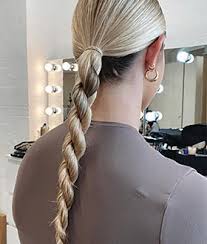
Step 1: Nourish Your Hair from the Inside Out
One of the biggest realizations I had during my hair transformation was that true hair health starts from within. We often focus on external treatments and products, but the condition of our hair is deeply influenced by our diet. If you're not eating the right nutrients, your hair won’t grow optimally, and even the best products might not help as much.
To boost hair health from the inside, I made several adjustments to my diet. Here are some of the key nutrients I made sure to incorporate:
-
Protein: Hair is made of keratin, a type of protein, so it's essential to ensure you're getting enough protein in your diet. Foods like eggs, lean meats, legumes, and nuts are great sources of protein that help repair and strengthen hair.
-
Biotin: Biotin, also known as vitamin B7, is famous for its role in supporting healthy hair growth. I made sure to eat foods rich in biotin like sweet potatoes, almonds, spinach, and avocados.
-
Omega-3 Fatty Acids: Healthy fats are vital for nourishing the scalp and promoting healthy hair. I added more omega-3-rich foods to my diet, including salmon, flaxseeds, and chia seeds.
-
Vitamins A, C, and E: These vitamins play a crucial role in supporting healthy hair by boosting circulation, repairing tissue, and protecting against oxidative damage. I focused on including more fruits and vegetables like oranges, berries, carrots, and leafy greens.
-
Zinc and Iron: Deficiencies in these minerals can contribute to hair loss and thinning. I incorporated zinc-rich foods like pumpkin seeds and beans, and iron-rich foods like spinach and red meat.
By paying attention to my diet and making sure I was getting the nutrients my hair needed, I began to notice improvements in the strength and texture of my hair within a few weeks. Strong, healthy hair starts from the inside, so I made nourishing my body a priority.
Step 2: Create a Hair Care Routine with the Right Products
While nutrition plays a huge role in hair health, it’s also essential to use the right products to nourish and protect your hair externally. During my transformation, I swapped out many of my old, damaging products for more hair-friendly alternatives. Here’s what I focused on:
-
Shampoo: I switched to a sulfate-free shampoo, which is gentler on the hair and scalp. Sulfates are harsh detergents that can strip away natural oils, leaving the hair dry and brittle. I also opted for a shampoo that promotes hair growth and strength, such as one that contains ingredients like biotin, caffeine, or keratin.
-
Conditioner: A nourishing conditioner was a must. I started using a deep conditioning mask once or twice a week, focusing on restoring moisture and repairing the damage. The mask helped strengthen my hair and kept it hydrated, reducing breakage and split ends.
-
Leave-In Conditioner or Hair Oil: After every wash, I applied a leave-in conditioner or a nourishing hair oil (like argan oil or jojoba oil) to lock in moisture and smooth the hair. These products helped prevent frizz and added shine, making my hair look healthier overall.
-
Heat Protection: Since I didn’t want to completely abandon heat styling (I enjoy straightening and curling my hair from time to time), I made sure to use a high-quality heat protectant. Heat can damage the hair shaft and lead to breakage, so using a protective spray was key in preventing further damage.
-
Scalp Care: Healthy hair begins with a healthy scalp. I started using a gentle scalp scrub once a week to exfoliate and remove any buildup. I also used a scalp massager during shampooing to improve circulation and promote hair growth. A clean, well-nourished scalp is crucial for encouraging healthy hair growth.
-
Avoiding Over-Washing: I learned that over-washing hair can lead to dryness and damage, especially when you have already damaged hair. Instead, I washed my hair no more than two or three times a week, giving it time to recover and retain natural oils.
Step 3: Consistency Is Key
The final element of the ‘BIG 3’ hack is consistency. Transforming damaged hair doesn't happen overnight, and it requires patience. Consistency in your routine is essential to seeing results. From diet to hair care products, I made sure I was following my new habits every single day.
Some tips for maintaining consistency:
-
Set a Routine: I established a regular hair care routine that I stuck to. Whether it was weekly deep conditioning or daily application of leave-in conditioner, I made these practices part of my regular self-care ritual.
-
Track Progress: At first, it was hard to see any noticeable changes, but I began tracking my hair’s progress through photos. This helped me stay motivated, as I could clearly see how much my hair had improved over time.
-
Be Gentle: I also learned to be more gentle with my hair. Avoiding harsh brushing or towel-drying helped reduce unnecessary damage. Using a wide-tooth comb and patting my hair dry with a soft towel made a huge difference in preventing breakage.
-
Give It Time: Hair grows slowly, so I reminded myself that results wouldn’t be immediate. Even though I saw some improvement in a few weeks, it took several months for my hair to look truly healthy and lush. Patience and persistence were key!
Results: Long, Luscious Locks
After following the 'BIG 3' hack for several months, the transformation of my hair was incredible. My hair became thicker, shinier, and healthier. The straggly, damaged ends started to improve, and I noticed significantly less hair fall. My hair felt stronger, and the texture was smoother and softer to the touch.
What was once thin and lifeless became voluminous, soft, and full of life. The combination of nourishing my body with the right foods, using gentle and effective hair care products, and staying consistent with my routine truly paid off.
Final Thoughts
If you’re struggling with damaged, thin hair and are looking for a solution, I highly recommend giving the 'BIG 3' hack a try. By focusing on internal nourishment, using the right products, and maintaining consistency, you can transform your hair from weak and damaged to strong and luscious. Remember, hair care is a journey, not a quick fix, but with dedication, you can achieve the healthy, beautiful hair you've always wanted.
I hope my journey inspires you to take the first step toward healthier hair today. It's never too late to start nourishing your hair the right way!





Comments 0
Sign in to join the conversation.
No comments yet. Be the first to say something.