

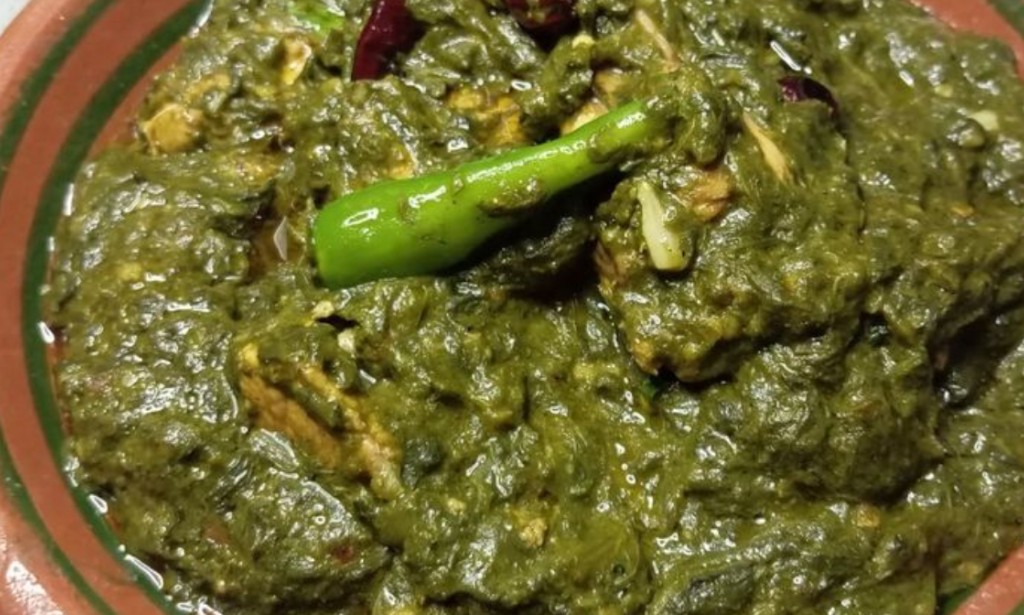
Sarson Ka Saag and Makki Ki Roti is one of the most loved traditional dishes of Pakistan, especially during the winter season. This delicious combination is made with fresh mustard greens, spinach, bathua, and cornmeal flatbread. It is famous for its rich taste, comforting aroma, and traditional Punjabi flavors.
The creamy saag is slowly cooked with green vegetables, ginger, garlic, and spices, while makki ki roti is prepared using maize flour. Traditionally, this meal is served with homemade butter, fresh green chilies, and sliced radish. It makes a wonderful family lunch or dinner on cold days.
If you want to enjoy authentic Pakistani village-style food at home, try this easy Saag and Makki Ki Roti recipe.
Ingredients for Sarson Ka Saag
This recipe serves approximately four people.
500 grams fresh mustard greens (sarson)
250 grams spinach (palak)
150 grams bathua leaves, optional
2 medium onions, chopped
2 tomatoes, chopped
1 tablespoon ginger-garlic paste
2–3 green chilies
1 teaspoon red chili powder
Salt to taste
3–4 cups water, as needed
2 tablespoons maize flour (makki ka atta)
3 tablespoons cooking oil or ghee
1/2 teaspoon cumin seeds
Fresh ginger for garnish
Homemade butter for serving, optional
How to Make Sarson Ka Saag
Step 1: Wash and Prepare the Greens
Separate the mustard leaves from thick stems and remove any damaged leaves. Wash the mustard greens, spinach, and bathua thoroughly under running water to remove dirt.
Chop the greens into medium-sized pieces. Fresh and properly washed vegetables help make delicious saag.
Step 2: Boil the Greens
Put the chopped greens into a large pot. Add chopped green chilies, ginger-garlic paste, salt, and water.
Cover the pot and cook over medium-low heat for approximately 30–40 minutes, or until the greens become soft. Stir occasionally and check the water level to prevent sticking.
Step 3: Blend the Saag
Allow the cooked greens to cool slightly. Mash them using a traditional wooden masher or carefully blend them into a coarse paste.
For a traditional texture, avoid blending the mixture completely smooth. A slightly coarse texture gives saag its homemade taste.
Step 4: Add Maize Flour
Return the mashed greens to the pot. Mix maize flour with a little water to make a smooth paste and add it gradually to the saag.
Stir continuously to prevent lumps. Cook over low heat for another 10–15 minutes until the saag becomes thick and creamy.
Step 5: Prepare the Masala
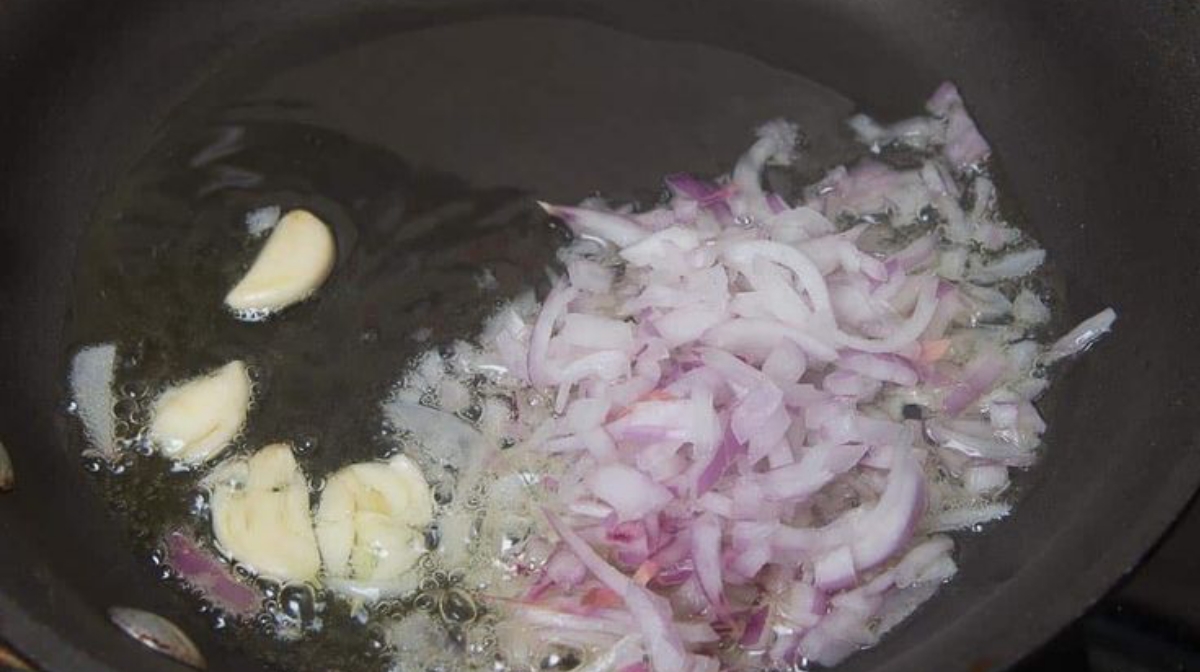
Heat cooking oil or ghee in a separate pan. Add cumin seeds and allow them to sizzle.
Add chopped onions and fry until golden brown. Add ginger-garlic paste, tomatoes, and red chili powder. Cook until the tomatoes become soft and the oil starts separating.
Step 6: Combine the Masala and Saag
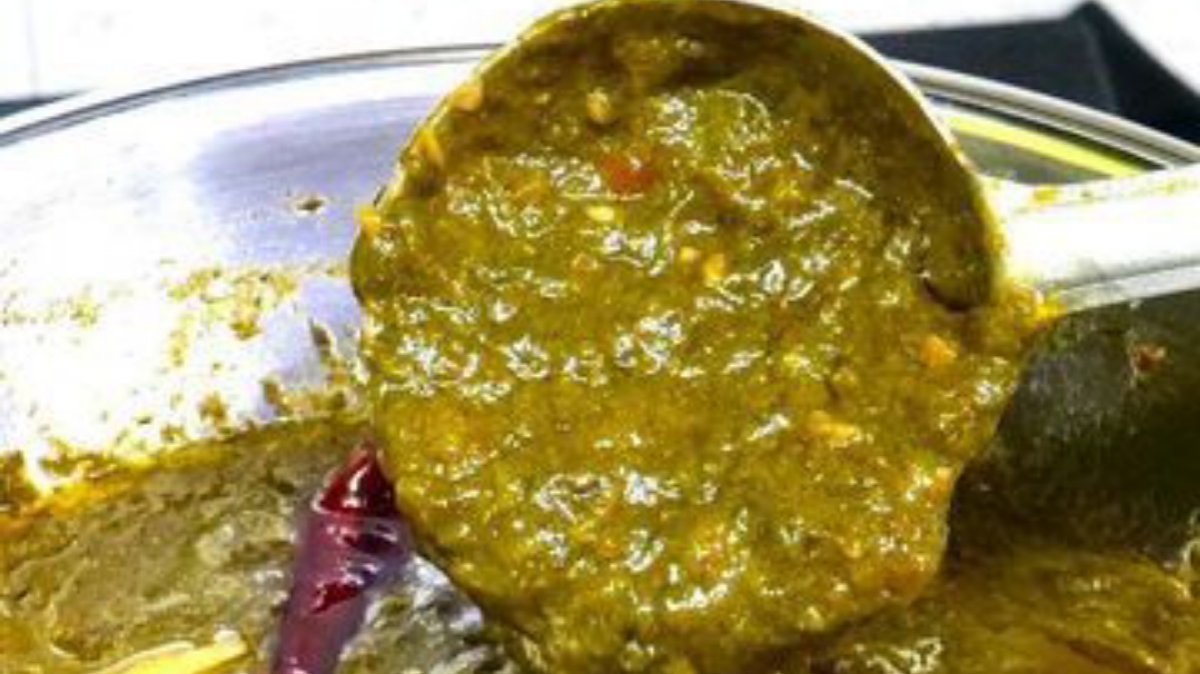
Add the prepared masala to the cooked greens. Mix well and simmer for another 5–10 minutes over low heat.
Taste and adjust the salt and spices according to your preference. Your delicious homemade Sarson Ka Saag is ready.
Ingredients for Makki Ki Roti
2 cups maize flour (makki ka atta)
Warm water as needed
A pinch of salt, optional
Ghee or butter for serving
How to Make Makki Ki Roti
Step 1: Prepare the Dough
Take maize flour in a large bowl. Add a pinch of salt if desired.
Gradually add warm water and mix until the flour comes together. Knead gently to prepare a soft dough. Makki flour does not contain gluten, so the dough may be more delicate than regular wheat flour.
Step 2: Shape the Rotis
Divide the dough into equal-sized balls. Place one ball between two sheets of plastic or butter paper.
Gently press it with your hands to make a round flatbread. You can also use a rolling pin carefully, but avoid making the roti too thin because it may break.
Step 3: Cook the Makki Ki Roti
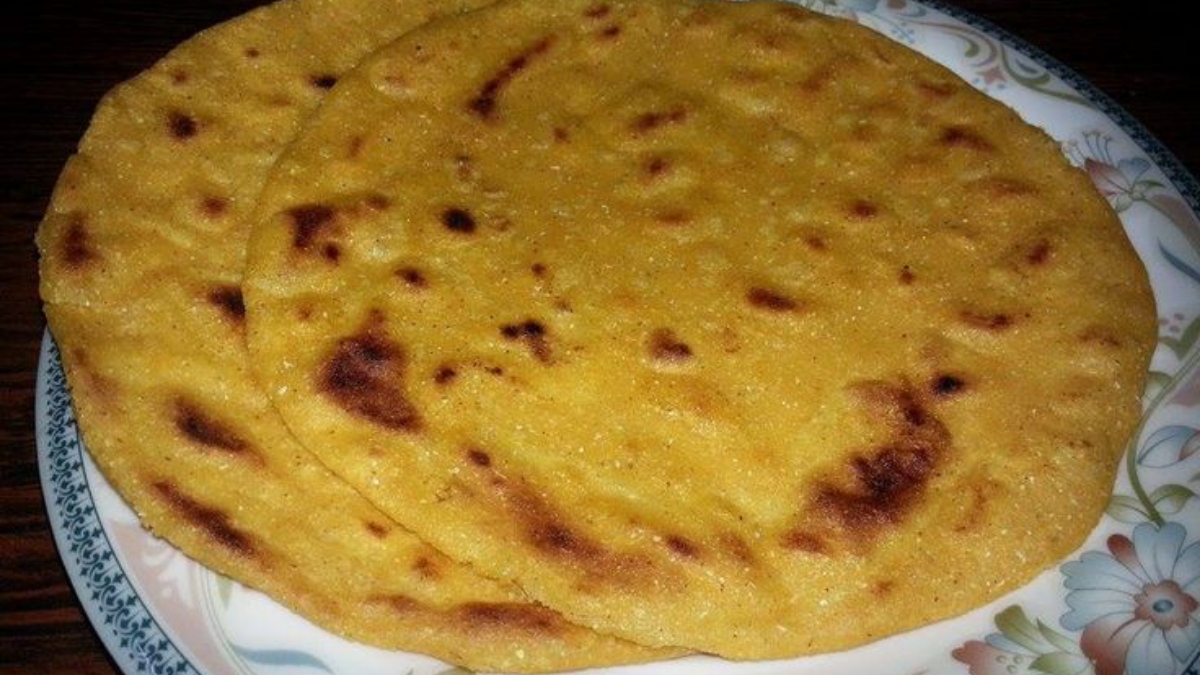
Heat a tawa or flat griddle over medium heat. Carefully place the prepared roti on it.
Cook one side until small brown spots appear, then gently turn it over. Cook both sides until fully done. Apply a little ghee or butter if desired.
Repeat the process with the remaining dough.
Tips for Perfect Saag and Makki Ki Roti
Use fresh greens: Fresh mustard leaves give saag its traditional flavor.
Wash vegetables carefully: Remove all dirt and sand before cooking.
Cook slowly: Slow cooking helps develop a rich taste and soft texture.
Adjust thickness: Add a little water if the saag becomes too thick.
Prepare soft dough: Use warm water and knead the maize flour gently.
Shape carefully: Use plastic sheets or butter paper to prevent the roti from breaking.
Cook properly: Make sure the makki ki roti is cooked through before serving.
What to Serve with Saag and Makki Ki Roti
Serve hot Sarson Ka Saag with freshly prepared Makki Ki Roti and a little homemade butter or ghee on top.
You can also add sliced radish, green chilies, fresh onions, and lemon wedges to the serving plate. A glass of lassi makes this traditional Punjabi meal even more enjoyable.

How to Store Leftover Saag
Allow the saag to cool slightly and transfer it to a clean, airtight container. Refrigerate it within two hours of cooking and generally use it within 3–4 days.
Reheat the saag until steaming hot throughout. Add a little water if it becomes too thick. Store leftover makki ki roti separately and reheat it on a tawa before serving.
Frequently Asked Questions
Can I make saag without bathua?
Yes. You can prepare delicious saag using only mustard greens and spinach. Bathua is optional.
Why is maize flour added to saag?
Maize flour helps thicken the saag and gives it a traditional creamy texture.
Why does makki ki roti break while shaping?
Maize flour does not have gluten, so its dough is naturally delicate. Adding warm water gradually and shaping the dough between plastic sheets makes it easier to handle.
Can I make makki ki roti without a rolling pin?
Yes. You can gently flatten the dough ball between your palms or between two sheets of plastic.
Sarson Ka Saag and Makki Ki Roti is a wonderful traditional Pakistani meal that brings the taste of Punjabi cooking to your home. Prepare this delicious combination during winter and enjoy it warm with butter, fresh vegetables, and family.





Comments 0
Sign in to join the conversation.
No comments yet. Be the first to say something.