

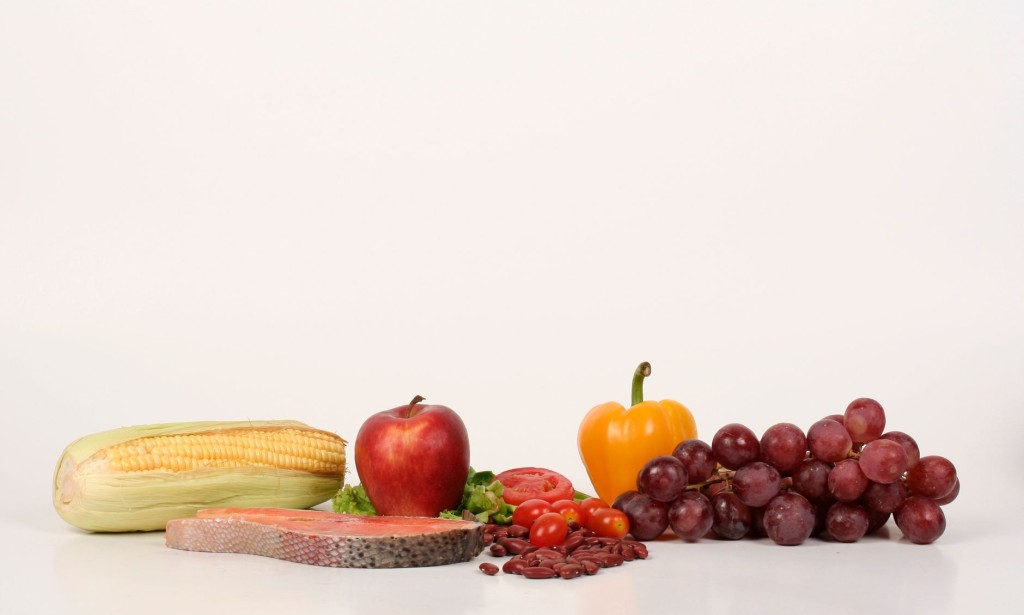
The kidneys are vital organs responsible for filtering waste, balancing electrolytes, and maintaining overall fluid balance in the body. As the prevalence of kidney disease rises, so does the need for effective strategies to support kidney health. Nutrition plays a crucial role in protecting kidney function and preventing further damage. Experts recommend a variety of foods that are not only kidney-friendly but also contribute to overall health and wellness. Here, we explore the top seven foods for boosting kidney health and how they work to protect these essential organs.
1. Berries: A Burst of Antioxidants
Berries, including blueberries, strawberries, and cranberries, are nutritional powerhouses loaded with antioxidants and vitamins. These small fruits are particularly beneficial for kidney health due to their ability to fight inflammation and reduce oxidative stress. Blueberries, for instance, are rich in anthocyanins, which have been shown to protect against kidney damage in people with diabetes and other chronic conditions. Cranberries, on the other hand, are well-known for preventing urinary tract infections (UTIs), which, if untreated, can harm the kidneys. Low in potassium, berries are an excellent choice for those with kidney concerns.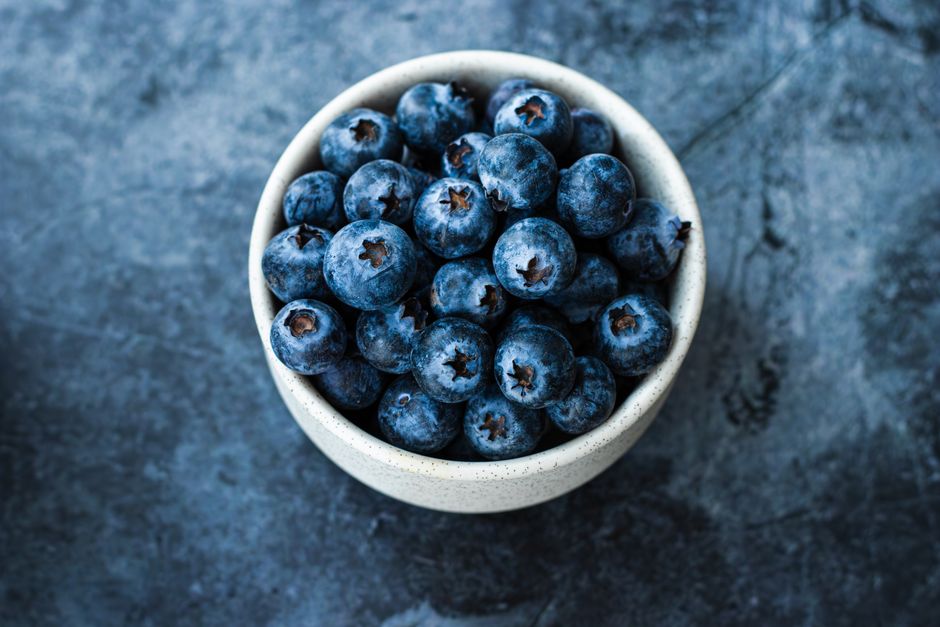
How to Enjoy Them: Add fresh or frozen berries to smoothies, yogurt, or oatmeal for a kidney-friendly boost.
2. Leafy Greens: Nutrient-Dense and Low in Potassium
Dark leafy greens, such as spinach, kale, and arugula, are packed with essential vitamins like vitamin K, vitamin C, and folate. They are also excellent sources of iron and magnesium, nutrients critical for maintaining kidney function and preventing anemia, a common issue in kidney disease patients. Importantly, these greens are relatively low in potassium compared to other vegetables, making them suitable for individuals monitoring their potassium intake. The antioxidants in leafy greens also help combat inflammation, a key factor in kidney damage.
How to Enjoy Them: Include raw greens in salads, blend them into green smoothies, or sauté them lightly with olive oil and garlic.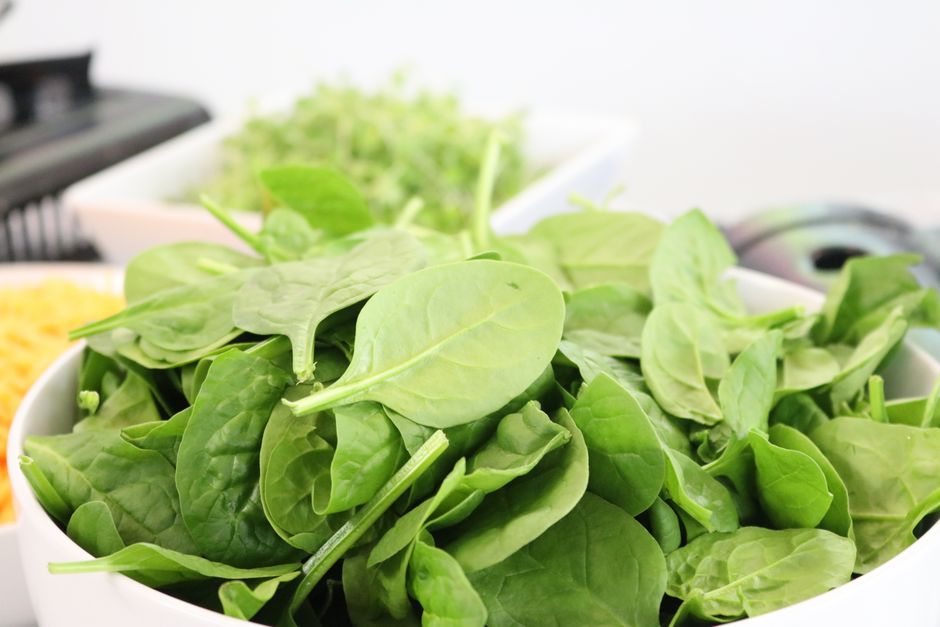
3. Fatty Fish: Omega-3 for Inflammation Control
Fatty fish like salmon, mackerel, and sardines are rich sources of omega-3 fatty acids. These healthy fats have been extensively studied for their anti-inflammatory properties, which are particularly beneficial for kidney health. Omega-3s can help reduce blood pressure, a leading cause of kidney damage, and decrease triglyceride levels, improving overall cardiovascular health—a crucial consideration for individuals with kidney disease. Moreover, fatty fish provide high-quality protein that is easier on the kidneys than processed or red meats.
How to Enjoy It: Grill, bake, or poach fatty fish with herbs and lemon for a heart- and kidney-healthy meal.
4. Apples: Fiber and Anti-Inflammatory Benefits
Apples are often touted as a “superfood” for their impressive nutrient profile. Rich in dietary fiber, they aid in digestion and help regulate blood sugar levels, reducing strain on the kidneys. Apples also contain anti-inflammatory compounds and antioxidants like quercetin, which may protect against chronic diseases affecting the kidneys. Their low potassium and sodium content make them an ideal snack for individuals with kidney disease.
How to Enjoy Them: Enjoy apples raw, baked with cinnamon, or sliced into a salad for a refreshing and healthy addition.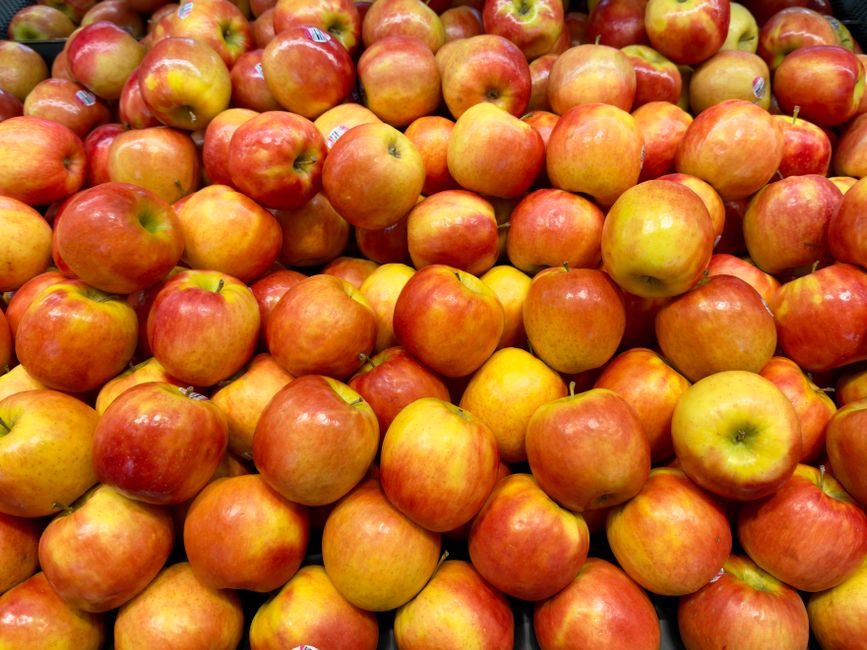
5. Garlic: A Low-Sodium Flavor Enhancer
For individuals with kidney concerns, controlling sodium intake is critical to preventing further damage. Garlic offers a flavorful, low-sodium alternative to salt, enhancing the taste of meals while providing numerous health benefits. It is packed with sulfur compounds, which have anti-inflammatory and antioxidant effects, protecting the kidneys from oxidative stress. Additionally, garlic may help lower blood pressure and cholesterol levels, further supporting kidney health.
How to Enjoy It: Use fresh or roasted garlic in cooking, or incorporate it into dressings, marinades, and dips.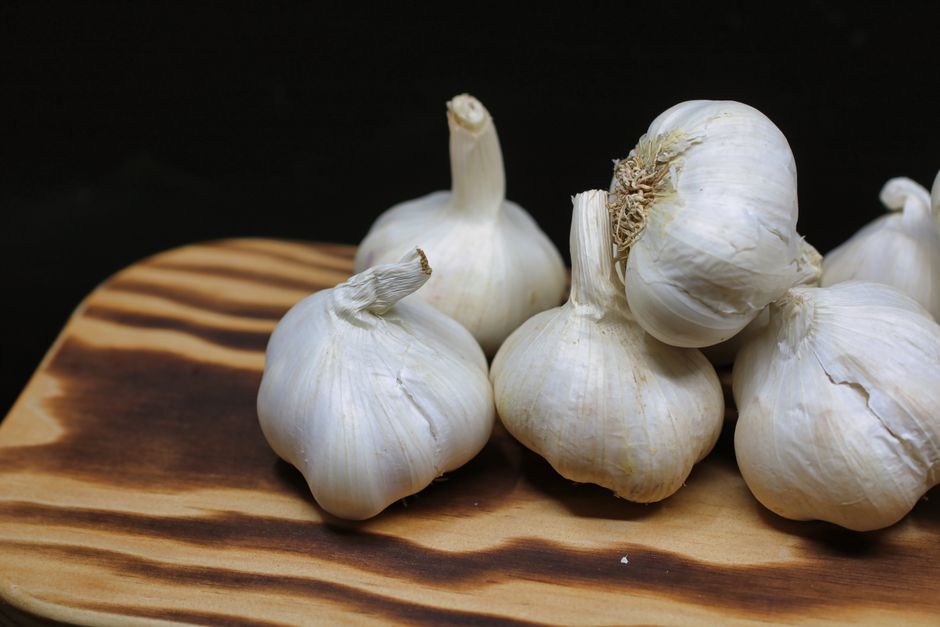
6. Egg Whites: High-Quality Protein Source
Protein is essential for maintaining muscle mass and repairing tissues, but too much protein can strain the kidneys, especially in individuals with compromised kidney function. Egg whites provide a high-quality, low-phosphorus protein option that’s easier on the kidneys than other protein sources like red meat or egg yolks. They are also low in fat and cholesterol, making them a heart-healthy choice.
How to Enjoy Them: Use egg whites in omelets, scrambled eggs, or as a base for kidney-friendly baked goods.
7. Olive Oil: Healthy Fats for Kidney Protection
Olive oil is a staple of the Mediterranean diet, celebrated for its heart-healthy monounsaturated fats. These fats can help reduce inflammation and improve cholesterol levels, which indirectly supports kidney health. Olive oil is also a good source of polyphenols, antioxidants that combat oxidative stress and protect against chronic diseases. For individuals with kidney disease, olive oil serves as a calorie-dense, kidney-safe fat source that can enhance the flavor of meals.
How to Enjoy It: Drizzle olive oil over salads, vegetables, or pasta, or use it as a cooking oil for sautéing.
The Role of a Balanced Diet in Kidney Health
While these seven foods are particularly beneficial for kidney health, it’s important to consume them as part of a balanced diet tailored to individual needs. For those with kidney disease or at risk, consulting a dietitian is essential to ensure proper nutrient intake while avoiding potential pitfalls, such as excessive potassium or phosphorus consumption. Combining these foods with adequate hydration and limiting processed and high-sodium foods can significantly improve kidney function and overall health.
Broader Health Benefits
The foods highlighted not only support kidney health but also offer a range of benefits for overall well-being. For instance, the antioxidants in berries and leafy greens reduce the risk of cardiovascular disease, while omega-3 fatty acids in fatty fish support brain health. Similarly, the fiber in apples and the healthy fats in olive oil contribute to better digestion and weight management. By incorporating these foods into your daily routine, you can take a proactive approach to preserving kidney function and enhancing quality of life.
Practical Tips for Incorporating Kidney-Friendly Foods
-
Plan Ahead: Create a weekly meal plan that includes these kidney-friendly foods to ensure variety and balance.
-
Experiment with Recipes: Try new ways of preparing these foods to keep meals exciting and satisfying.
-
Mind Portion Sizes: While these foods are beneficial, consuming them in moderation is key to avoiding nutrient imbalances.
-
Read Labels: When purchasing packaged foods, check for added sodium, potassium, and phosphorus to ensure they align with your dietary needs.
-
Stay Hydrated: Adequate water intake is essential for supporting kidney function and flushing out toxins.

Conclusion
Taking care of your kidneys is a lifelong commitment, and incorporating the right foods into your diet is a powerful step toward maintaining their health. From the antioxidant-rich benefits of berries to the anti-inflammatory properties of fatty fish and garlic, these seven foods provide a solid foundation for a kidney-friendly lifestyle. By making mindful dietary choices and seeking professional guidance when needed, you can support your kidneys and enjoy improved overall health for years to come.







Comments 0
Sign in to join the conversation.
No comments yet. Be the first to say something.