

Top 10 Ways Blind People Can “See” Using Sound – Explained
Introduction
Imagine walking down a crowded street, identifying objects, sensing people around you, or even navigating complex environments—all without using your eyes. For most people, this seems impossible. Yet, for many blind individuals, this is a reality. They have developed the extraordinary ability to “see” using sound, a phenomenon called echolocation.
Echolocation allows humans to interpret their surroundings through echoes. Just as bats and dolphins use sound to navigate and hunt, humans can learn to “visualize” their environment by listening to how sounds bounce back. This skill is not innate in most people, but with practice and the brain’s incredible adaptability, blind individuals can develop it to a highly advanced level.
In this article, we’ll explore 10 fascinating ways blind people use sound to “see”, the science behind it, the role of the brain in this process, and how technology is now enhancing these natural abilities. By the end, you’ll have a deeper understanding of how humans can use sound to truly perceive the world.
What Is Echolocation?
Understanding the Basics
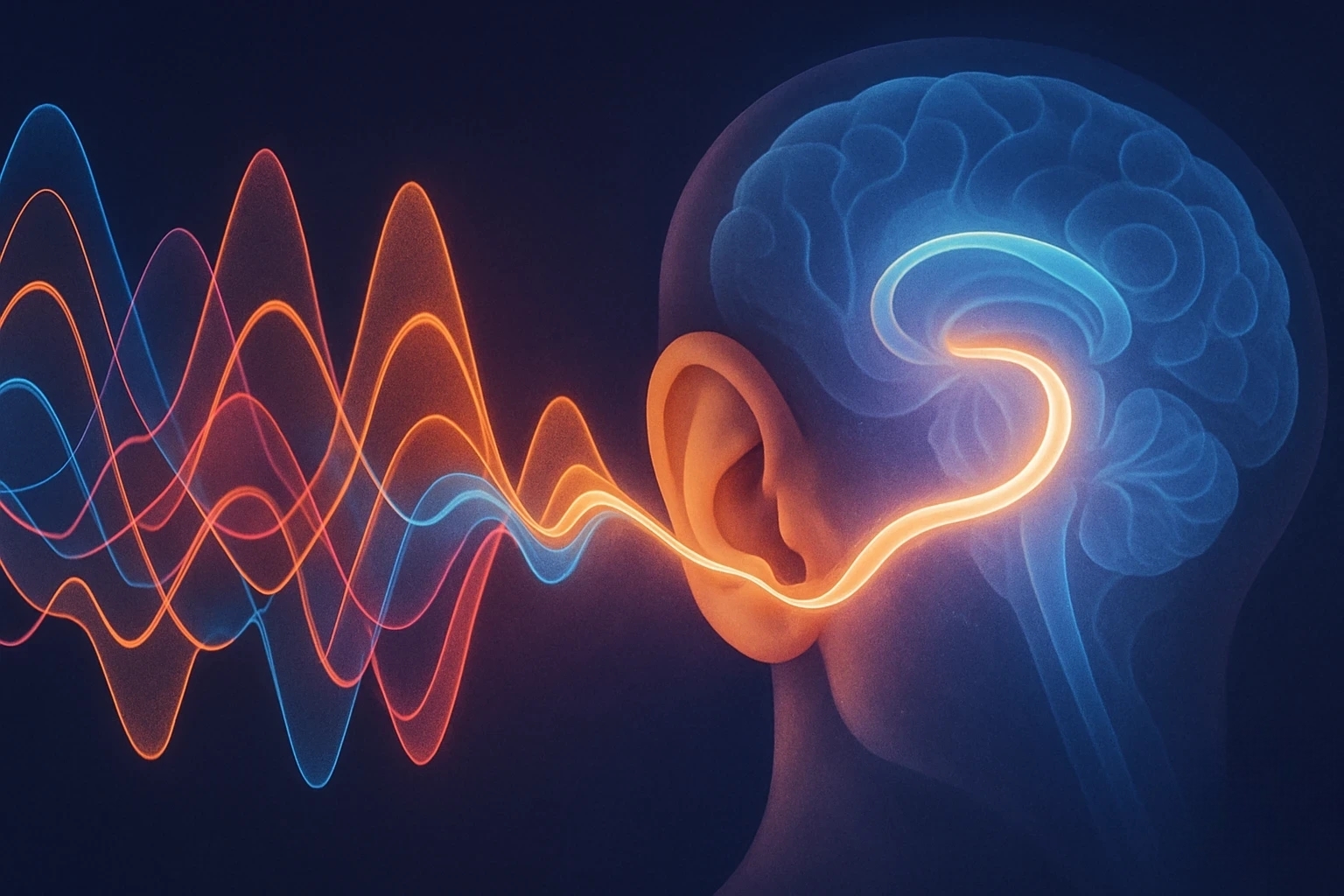
Echolocation is the process of using sound waves and their echoes to understand the location, size, and shape of objects. A person produces a sound—such as a mouth click, tap, or footstep—and carefully listens for how it reflects off surrounding surfaces.
How It Works:
Sound waves travel through the air.
They encounter objects and reflect back as echoes.
The brain interprets these returning echoes.
A mental “sound map” of the environment is created.
Even subtle differences in echo timing, volume, and pitch can reveal critical information about distance, size, shape, and texture.
How the Brain Adapts to “See” With Sound
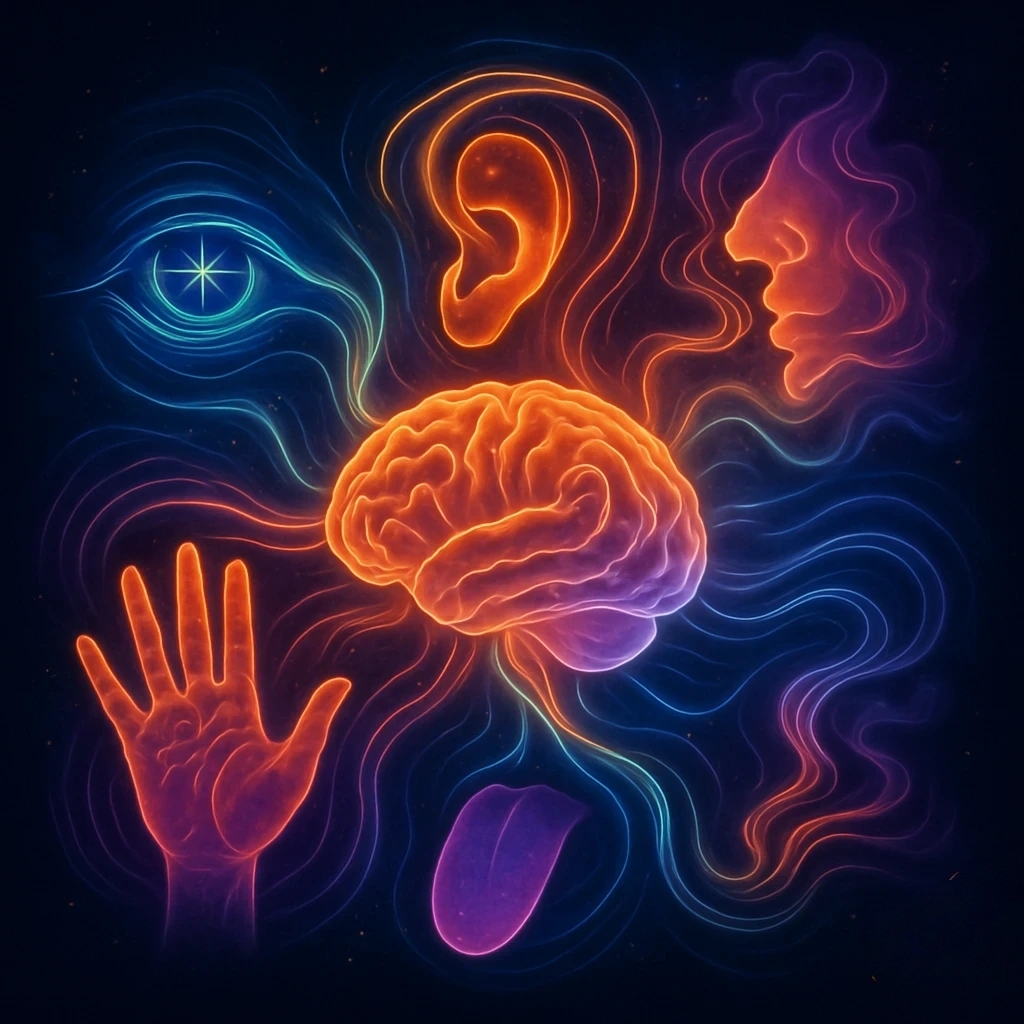
When vision is lost, the brain does not remain idle. Instead, it rewires itself to adapt to new sensory inputs. This is possible due to neuroplasticity, the brain’s remarkable ability to reorganize and repurpose itself.
Neuroplasticity at Work:
The visual cortex, normally used for sight, begins processing auditory signals.
Hearing becomes more detailed, sensitive, and precise.
The brain integrates sound, touch, and other senses to create a comprehensive perception of the environment.
Scientific Insight:
Research has shown that blind individuals using echolocation activate the same regions of the brain that sighted people use for vision. This proves that the brain can transform sound into a form of “visual” information—a remarkable demonstration of human adaptability.
1. Detecting Objects Through Click Sounds
One of the most common echolocation techniques is mouth-clicking. Skilled echolocators produce sharp, repetitive clicks to gather spatial information.
How It Helps:
Clicks produce clear echoes that bounce off nearby objects.
Each object reflects sound in a unique way.
The brain constructs a mental spatial image.
What Can Be Detected:
Walls, doors, and furniture
Trees and poles
Parked vehicles
Thin or small objects, like a pole or street sign
With practice, blind individuals can detect even subtle environmental changes, such as a chair slightly out of place or an approaching pedestrian.
Real-Life Example:
Daniel Kish, a blind echolocation expert, uses mouth clicks to ride bicycles safely through urban areas, a feat many sighted people would find difficult.
2. Identifying Distance and Depth
Blind individuals can estimate distances by analyzing how quickly an echo returns. This allows them to judge depth, proximity, and relative size of objects.
Key Factors:
Fast echo = nearby object
Slow echo = distant object
Practical Applications:
Crossing busy streets safely
Walking through cluttered rooms without collisions
Navigating crowded public spaces independently
Scientific Note:
The brain interprets milliseconds of delay in echo return, similar to how sighted people perceive depth visually.
3. Recognizing Shapes and Sizes
Different objects reflect sound in unique ways. Blind individuals can distinguish shapes, sizes, and even some structural features.
How Shapes Affect Sound:
Flat surfaces produce strong, clear echoes
Curved or irregular objects scatter sound
Larger objects generate louder reflections
Examples:
A wall vs. a tree
A car vs. a bicycle
With advanced practice, blind echolocators can differentiate between complex shapes like furniture arrangements or even distinguish between different types of vehicles.
4. Sensing Movement Around Them
Echolocation isn’t limited to static objects. Blind individuals can detect movement in their surroundings.
How It Works:
Moving objects change the pattern and timing of echoes.
Subtle variations in sound indicate motion.
What Can Be Detected:
People walking nearby
Vehicles approaching
Animals or environmental changes, like wind moving branches
This skill provides situational awareness and enhances safety in dynamic environments.
Example:
Ben Underwood, a blind echolocator, could play basketball and sense moving teammates and opponents solely through sound.
5. Navigating Indoor Spaces Easily
Indoor environments amplify echoes, making echolocation highly effective.
Benefits:
Detecting walls, doors, and furniture
Avoiding obstacles like chairs, tables, and staircases
Creating a mental layout of rooms and buildings
Sound Clues Indoors:
Small rooms produce sharper, louder echoes
Open spaces or halls produce softer, diffused echoes
This ability allows blind individuals to move independently inside homes, offices, and public buildings.
6. Navigating Outdoor Environments
Outdoor echolocation is more challenging due to background noise and environmental factors, but it can be mastered.
Challenges:
Traffic and crowd noise
Wind interference
Large, open spaces with fewer reflective surfaces
Adaptive Techniques:
Louder, more frequent clicks
Using memory and spatial awareness
Listening to subtle environmental cues, like footsteps, wind, or water
Blind individuals can navigate streets, parks, and public areas confidently, even in complex urban environments.
7. Using Footsteps as Natural Echolocation
Not all echolocation requires clicks. Footsteps themselves provide auditory feedback about the surroundings.
Footstep Sounds:
Different surfaces produce unique echoes (wood, concrete, grass)
The brain interprets subtle changes to map space
What Can Be Revealed:
Floor type and texture
Nearby objects and obstacles
Open or closed areas
This passive echolocation happens naturally with each step, often without conscious effort.
8. Recognizing Textures Through Sound
Sound can also convey information about surface texture.
How Texture Affects Echoes:
Smooth surfaces reflect sound clearly
Rough surfaces scatter sound, producing diffuse echoes
Examples:
Brick wall vs. glass wall
Pavement vs. grass
This helps blind individuals better understand the environment and anticipate obstacles.
9. Echolocation in Water Environments
Advanced echolocators can navigate water-based environments like pools, rivers, or lakes.
How It Works:
Sound travels differently in water
Echoes indicate depth, edges, and obstacles
Practical Applications:
Detecting pool edges for swimming turns
Avoiding submerged objects in rivers or shallow waters
Remarkable Example:
Some blind swimmers have learned to safely swim laps in pools by detecting walls and lane boundaries using echo feedback.
10. Combining Sound With Other Senses
Echolocation works best when combined with touch, smell, and hearing.
Multi-Sensory Navigation:
Feeling vibrations underfoot
Listening to environmental sounds (traffic, birds, footsteps)
Using scent cues (like flowers, food, or smoke)
Results:
Highly accurate spatial awareness
Confident movement in unfamiliar areas
Greater independence and safety
This holistic approach allows blind individuals to “see” beyond sound alone, using the full range of sensory input.
Training Echolocation: How Blind Individuals Learn
Learning echolocation takes patience, practice, and guidance.
Steps to Train:
Start with simple clicks: mouth clicks or finger snaps
Focus on listening to echo patterns
Practice indoors: hallways, rooms, and furniture
Gradually move outdoors: streets, parks, and open areas
Combine senses: touch, smell, and hearing
Tips from Experts:
Maintain consistent sound patterns
Pay attention to subtle echo changes
Practice daily for faster improvement
Famous Echolocation Experts:
Daniel Kish – “The Human Bat”: Uses mouth clicks to ride bikes, hike, and navigate independently.
Ben Underwood: Played basketball and explored complex environments using echolocation from a young age.
These examples prove that human echolocation can be mastered with dedication.
Common Myths About Echolocation
Myth 1: Only blind people can echolocate.
Fact: Sighted people can also learn echolocation, though it is harder.
Myth 2: Echolocation is inaccurate.
Fact: Skilled echolocators can detect objects, distances, and textures precisely.
Myth 3: Echolocation requires technology.
Fact: Natural echolocation works entirely through sound and brain adaptation.
Technology Inspired by Human Echolocation
Human echolocation has inspired numerous innovations:
Sound-based navigation apps for the visually impaired
Wearable devices converting obstacles into auditory signals
Robotics and AI systems using sonar to navigate
These technologies replicate the skills of expert echolocators and enhance independence.
Benefits of Learning Echolocation
Increased independence and self-confidence
Better spatial awareness and navigation skills
Safer movement in unfamiliar or crowded areas
Enhanced auditory perception and cognitive abilities
Echolocation allows blind individuals to interact with the world in ways most people never imagine.
Conclusion
Echolocation proves that vision is not the only way to “see.” Blind individuals who master this skill highlight the incredible adaptability of the human brain. By interpreting sound waves, they can navigate spaces, detect obstacles, recognize shapes, and sense movement—all without their eyes.
Through neuroplasticity, consistent practice, and multi-sensory awareness, sound becomes a powerful tool for perception. Modern training methods and supportive technology are expanding the possibilities, allowing blind individuals to explore the world safely, confidently, and independently.
The human brain’s ability to convert sound into spatial awareness is truly one of nature’s most remarkable feats—showing that with practice, determination, and innovation, we can overcome limitations and perceive the world in ways once thought impossible.

You must be logged in to post a comment.