

Most tech products are solutions looking for problems. The ten below are the opposite: they solve real problems that most people have, and they do it well enough to justify their cost. They are not the newest or the most hyped; they are the most useful.
What follows is a buying guide, not a wishlist. Each product is evaluated on what it does, who it is for, and whether it is worth the money.
How to Evaluate Tech Products
Ask three questions. What problem does this solve? Do I actually have that problem? And is this the best way to solve it? Most tech purchases fail the second question, which is why so many gadgets end up in drawers.
The second filter is longevity. A product that will be obsolete in a year is not worth buying at any price. Look for products with long software support and durable hardware.
The Top 10 Products
1. A Good Smartphone
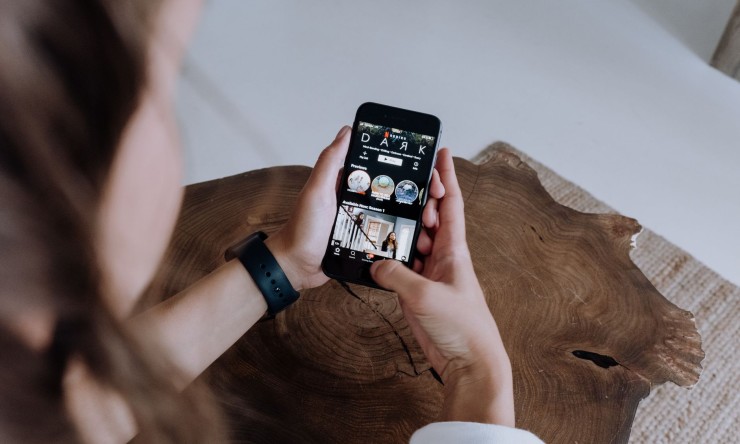
Still the most important device most people own. A mid-range phone from the last two years offers ninety percent of the flagship experience at half the price. Focus on battery life, camera quality in low light, and software update commitment.
Do not buy the newest model. Buy last year's flagship at a discount.
2. Noise-Cancelling Headphones
The single best quality-of-life improvement available for the price. Good noise cancellation transforms commutes, flights, and open-plan offices. The difference between cheap and expensive is large; the difference between mid-range and premium is small.
Buy mid-range. The premium models are not worth twice the price.
3. A Quality Laptop
If you work on a computer, the laptop is your most important tool. A good one lasts five years. Focus on the keyboard, the screen, and the battery. Processor speed matters less than most people think.
Buy for the work you actually do, not the work you imagine doing.
4. A Smartwatch or Fitness Tracker
Useful if you care about health metrics or notifications. Not useful if you already check your phone constantly. The value is in the glanceability: seeing information without pulling out your phone.
A basic model is sufficient for most people. The premium features are rarely used.
5. A Mesh Wi-Fi System
If your home has dead zones or slow speeds, a mesh system fixes it. The improvement in reliability and coverage is immediate and dramatic. This is the most underrated tech purchase for most households.
Buy a system with at least two nodes. One is not enough for most homes.

6. An E-Reader
If you read books, an e-reader is better than a phone or tablet. The screen is easier on the eyes, the battery lasts weeks, and it is lighter than a book. The main cost is the device; books are often cheaper than print.
This is a niche product that is transformative for the people who need it.
7. A Portable Power Bank
A high-capacity power bank eliminates the anxiety of a dying phone. It is the most practical tech accessory available, and it costs little. Buy one with at least twenty thousand milliampere-hours.
Keep it charged and in your bag. You will use it more than you expect.
8. A Smart Home Hub
If you have multiple smart devices, a hub ties them together. The value is in automation: lights that turn on when you arrive home, thermostats that adjust to your schedule. Without automation, smart devices are just expensive remote controls.
Start with one or two devices and expand. Buying everything at once leads to abandonment.
9. A Good Webcam and Microphone
If you do video calls regularly, the built-in laptop camera and microphone are holding you back. A dedicated webcam and microphone improve how you look and sound dramatically. This matters for professional credibility.
The improvement is visible to everyone on the call except you.
10. Cloud Storage
Not a device, but a service. Automatic backup of photos and documents is the most important thing most people do not have. A lost phone or a failed hard drive is a catastrophe without it and an inconvenience with it.
Pay for the storage. The free tiers are too small for real use.
What to Skip
Smart home devices you will not use regularly. VR headsets unless you are a dedicated gamer. Expensive smartwatches with features you will not use. And any product that requires a subscription to function.
The tech industry sells features. Buy utility.
The Buying Process
Wait for the second generation of any new product category. The first generation is always buggy and overpriced. The second generation fixes the problems and costs less.
Read reviews from people who have used the product for months, not days. Launch reviews are written before the problems appear. Long-term reviews reveal whether the product actually lasts.
And buy from retailers with good return policies. The best way to evaluate a tech product is to use it in your own environment. If it does not work for you, return it.
Finally, do not buy on impulse. The tech industry is designed to create urgency. Resist it. The product will still be available next week, and next week you will know whether you actually need it.

The Environmental Cost
Every tech product has an environmental cost: manufacturing, shipping, and disposal. The most sustainable tech purchase is the one you do not make. The second most sustainable is the one you keep for as long as possible.
Before buying, ask whether the product will last five years. If not, reconsider. And when you do replace a device, recycle it properly. E-waste is a growing problem, and most of it is avoidable.
The tech industry's business model depends on frequent upgrades. Your financial and environmental interests depend on the opposite. Choose accordingly.
The Products That Failed
Several much-hyped products did not make this list because they failed to deliver. Foldable phones are still fragile and expensive. VR headsets remain a niche product. And smart glasses have not found a use case beyond novelty.
These products may succeed eventually, but they are not ready for most buyers. The pattern is consistent: new categories need two or three generations before they become practical.
Wait for the second generation. It is cheaper, better, and more reliable.
The Bottom Line
Buy for utility, not hype. The best tech products solve real problems and last for years.






Comments 0
Sign in to join the conversation.
No comments yet. Be the first to say something.