

Why You’re Not the Person You Think You Are

Introduction
You wake up every day believing you know who you are. You trust your thoughts, your memories, your decisions. You assume there is a stable “you” behind everything—a consistent identity guiding your life.
But science, psychology, and philosophy reveal something deeply unsettling:
You are not the person you think you are.
Your identity is not fixed. Your memories are not fully reliable. Your decisions are not entirely your own. Much of what you believe about yourself is constructed, edited, and even distorted by your brain.
This article explores the shocking truth behind your identity—how your mind shapes a version of you that feels real but isn’t entirely accurate. By the end, you’ll see yourself in a completely different light.
The Illusion of a Stable Identity
What You Believe About Yourself
Most people believe:
“I have a consistent personality”
“I know my values”
“I act according to my beliefs”
“I am in control of my decisions”
This creates a sense of stability. It makes life predictable and meaningful.
But this sense of identity is, in many ways, an illusion.
Your Personality Is Always Changing
You are not the same person you were:
10 years ago
5 years ago
Even 1 year ago
Your:
Beliefs
Preferences
Habits
Emotional reactions
are constantly evolving.
Why This Happens
Your brain continuously rewires itself through a process called neuroplasticity. Every experience:
Adds new connections
Weakens old ones
Alters how you perceive reality
Result: The “you” of today is a temporary version, not a permanent identity.
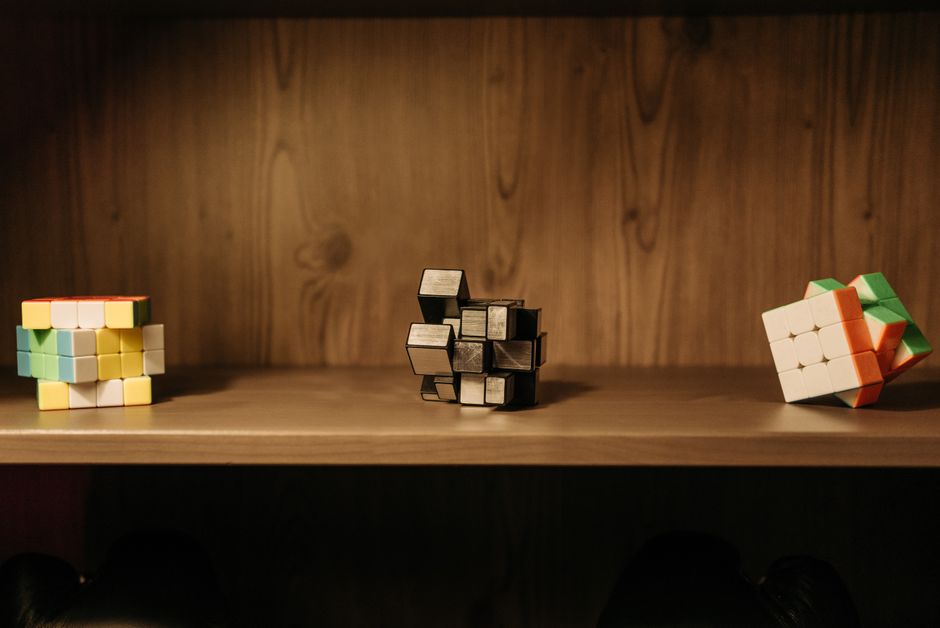
Your Brain Edits Reality Without You Knowing
The Hidden Role of Your Subconscious
Up to 95% of your thoughts and actions are driven by subconscious processes.
That means:
You don’t consciously choose most of your reactions
You don’t fully control your emotions
You often act before you think
Your Brain Filters Information
Every second, your senses take in massive amounts of data. But your brain filters most of it out.
It decides:
What to notice
What to ignore
What to remember
This Leads To:
Biased perception
Selective awareness
Distorted reality
You don’t see the world as it is—you see it as your brain allows you to.
Your Memories Are Not Reliable
Memory Is Reconstruction, Not Replay
You might believe your memories are accurate recordings of the past.
They are not.
Every time you recall a memory, your brain:
Reconstructs it
Edits details
Fills in gaps
How Memories Change Over Time
Each recall can:
Add false details
Remove important elements
Alter emotional tone
Over time, your memories become less about reality and more about interpretation.
Why This Matters
Your identity is largely built on your past.
If your memories are flawed, then:
Your sense of self is built on unstable ground.
You Are Influenced More Than You Think
Social Conditioning Shapes You
From childhood, you are shaped by:
Family
Culture
Society
Education
These influences:
Define your beliefs
Shape your values
Guide your behavior
You Absorb Without Question
As a child, you don’t analyze—you absorb.
You learn:
What is “right” or “wrong”
What is “acceptable”
What success looks like
Much of what you think is “your choice” is actually:
Conditioning you never questioned.
Your Decisions Are Not Fully Yours
The Brain Decides Before You Do
Studies show that your brain makes decisions milliseconds before you become aware of them.
This means:
Your “free will” may be limited
Your conscious mind often just justifies decisions already made
The Role of Biases
Your thinking is influenced by cognitive biases such as:
Confirmation bias
Anchoring bias
Availability bias
These biases:
Distort judgment
Limit objectivity
Reinforce existing beliefs
Example
You may think:
“I chose this because it made sense.”
But in reality:
Your brain made a quick decision
Then your mind created a logical explanation
Your Emotions Control You More Than Logic
The Myth of Rational Thinking
People like to believe they are logical.
But in reality:
Emotions drive decisions
Logic often justifies them afterward
Emotional Triggers Shape Behavior
Your reactions are often based on:
Past experiences
Hidden fears
Unresolved emotions
These triggers operate automatically.
Why This Matters
You might believe:
“I’m reacting to the situation.”
But often:
You’re reacting to your past, not the present.

You Play Different Versions of Yourself
Identity Is Context-Dependent
You behave differently depending on where you are:
At home
At work
With friends
With strangers
Each situation activates a different “version” of you.
Are These All Real?
Yes—and no.
They are all:
Genuine in the moment
Influenced by context
But none of them alone define the “real you.”
The Truth
There is no single, fixed identity.
You are a collection of roles, shaped by environment and experience.
Your Self-Image Is a Story You Tell Yourself
The Narrative You Build
Your brain creates a story about who you are:
“I’m confident”
“I’m shy”
“I’m unlucky”
“I’m successful”
Why the Brain Does This
It helps you:
Make sense of your life
Create consistency
Maintain a sense of control
The Problem
This story is:
Selective
Biased
Often inaccurate
You focus on experiences that support your identity and ignore those that contradict it.
The Ego: Your Inner Illusion Maker
What Is the Ego?
The ego is your sense of “I”:
Your identity
Your self-image
Your personal story
How the Ego Protects You
The ego:
Avoids discomfort
Defends beliefs
Resists change
The Downside
It can:
Blind you to truth
Limit growth
Keep you stuck in patterns
Why You Feel Like a “Consistent Person”
The Brain Creates Continuity
Even though you are constantly changing, your brain creates a sense of continuity.
It connects:
Past experiences
Present identity
Future expectations
This Creates an Illusion
You feel like:
“I am the same person over time.”
But in reality:
You are constantly evolving.
The Hidden Power of Habits
Habits Shape Your Identity
Much of what you do daily is automatic:
Brushing your teeth
Checking your phone
Responding to stress
Why Habits Matter
They:
Define your behavior
Reinforce your identity
Limit conscious control
You Are What You Repeat
Your identity is less about what you think and more about:
What you repeatedly do.
The Gap Between Who You Are and Who You Think You Are
Self-Perception vs Reality
There is often a gap between:
How you see yourself
How others see you
How you actually behave
Why This Gap Exists
Because of:
Biases
Emotional blind spots
Defensive thinking
Example
You might believe:
“I’m a good listener.”
But in reality:
You interrupt
You judge
You think about your response instead of listening
How to See Your True Self More Clearly
1. Question Your Thoughts
Ask yourself:
Is this belief true?
Where did it come from?
Is there evidence against it?
2. Observe Your Behavior
Instead of relying on your self-image:
Watch what you actually do
Notice patterns
Identify triggers
3. Seek Honest Feedback
Others can see things you can’t.
Ask:
“How do I come across?”
“What are my blind spots?”
4. Practice Self-Awareness
Develop awareness of:
Thoughts
Emotions
Reactions
This helps you separate:
Who you are from what you experience.
5. Embrace Change
Accept that:
You are not fixed
You are always evolving
This mindset allows growth.
The Freedom in This Truth
It Might Feel Uncomfortable
Realizing you’re not who you thought you were can be unsettling.
It challenges:
Your identity
Your beliefs
Your sense of control
But It’s Also Liberating
If your identity is not fixed, then:
You can change
You can grow
You can redefine yourself
You Are Not Stuck
You are not:
Your past
Your mistakes
Your current habits
You are:
A constantly evolving process.
Key Takeaways
Your identity is not fixed—it is constantly changing
Your brain filters and distorts reality
Your memories are not fully reliable
Your decisions are influenced by subconscious processes
Your emotions often drive your actions
Your self-image is a story, not absolute truth
You play different roles in different situations
Awareness is the key to understanding your true self
Conclusion
The idea that you are not the person you think you are may sound shocking—but it’s also deeply empowering.
It means:
You are not limited by your current identity
You are not trapped by your past
You have the ability to evolve
Your “self” is not a fixed object—it’s a dynamic, ever-changing process shaped by experience, perception, and awareness.
The more you understand this, the more control you gain—not by holding onto a rigid identity, but by learning to observe, adapt, and grow.
You are not who you think you are.
And that might be the most powerful truth of all.







Comments 0
Sign in to join the conversation.
No comments yet. Be the first to say something.