


The Role of Organic Products in Enhancing Human Health
In recent years, the demand for organic products has surged, with many consumers opting for organic food, clothing, and even cosmetics. This shift in preferences is largely driven by a growing awareness of health, environmental concerns, and the desire for products that are free from synthetic chemicals and additives. Organic products, particularly organic foods, are often seen as healthier alternatives to their conventionally grown counterparts. But what makes organic products so beneficial for human health? In this article, we will explore the role of organic products in enhancing human health, focusing on the nutritional advantages, reduction of harmful chemicals, and overall well-being.

Understanding Organic Products
Organic products refer to those produced using methods that do not involve synthetic pesticides, fertilizers, genetically modified organisms (GMOs), or irradiation. Organic farming emphasizes soil health, crop diversity, and natural practices like crop rotation and the use of organic fertilizers such as compost and manure. These methods are designed to promote sustainability, biodiversity, and the overall health of the ecosystem.
While organic products span a wide range of categories, including food, cosmetics, textiles, and cleaning products, the most prominent focus tends to be on organic food. Organic foods are typically grown without the use of artificial additives and are minimally processed. This has significant implications for human health, which we will discuss in more detail below.
Nutritional Benefits of Organic Food
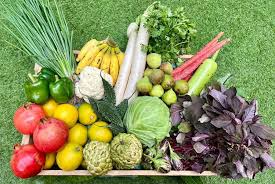
One of the primary reasons many people choose organic food is the belief that it offers superior nutritional benefits compared to conventionally grown food. While research on the topic is still evolving, several studies suggest that organic food may have higher levels of certain nutrients, including vitamins, minerals, and antioxidants.
-
Higher Antioxidant Levels: Organic fruits and vegetables are often found to contain higher concentrations of antioxidants like polyphenols. These antioxidants are essential for neutralizing free radicals in the body, which can cause oxidative stress and lead to chronic diseases such as heart disease, cancer, and diabetes. A study published in the British Journal of Nutrition found that organic crops have higher antioxidant levels compared to conventionally grown crops.
-
Improved Vitamin and Mineral Content: Organic farming practices, such as crop rotation and the use of natural fertilizers, contribute to healthier soil, which in turn results in produce with more favorable nutrient profiles. Some research suggests that organic produce contains higher levels of essential nutrients, such as vitamin C, iron, and magnesium.
-
Reduced Nitrate Levels: Nitrates, which are commonly used in conventional farming to enhance growth, can accumulate in plants and potentially lead to health risks, such as an increased risk of certain cancers and high blood pressure. Organic foods generally have lower nitrate levels, making them a safer option for regular consumption.
-

Reduced Exposure to Harmful Chemicals
Another important benefit of organic products is the reduced exposure to harmful chemicals that are commonly found in conventionally grown foods. In conventional agriculture, synthetic pesticides, herbicides, and fungicides are routinely used to protect crops from pests and diseases. However, many of these chemicals are not only toxic to the environment but also pose potential health risks to humans.
-
Pesticide Residues: One of the most significant advantages of organic food is the lack of synthetic pesticide residues. Research has shown that conventional crops often contain pesticide residues, some of which have been linked to negative health outcomes. Chronic exposure to pesticides can contribute to neurological disorders, hormone imbalances, and an increased risk of certain cancers. Organic foods, on the other hand, are grown without synthetic pesticides, reducing the risk of chemical exposure.
-
Hormone Disruptors: In addition to pesticides, conventional farming may involve the use of hormones and antibiotics in livestock farming. These chemicals can enter the food chain and affect human health by disrupting hormonal balance and contributing to antibiotic resistance. Organic meat and dairy products are produced without the use of synthetic hormones or antibiotics, making them a healthier choice for consumers.
-
GMOs (Genetically Modified Organisms): Many conventional crops are genetically modified to resist pests or improve yields. However, there is ongoing debate about the long-term safety of GMOs. Organic products are strictly free from GMOs, which reassures consumers who are concerned about the potential health risks associated with genetically modified foods.
-


In addition to the direct nutritional and chemical benefits, organic food may also play a role in enhancing immune function and promoting gut health, two critical aspects of overall well-being.
-
Immune System Support: Organic foods are often more nutrient-dense than conventional alternatives, which means they provide a richer source of vitamins, minerals, and antioxidants that support the immune system. Vitamin C, zinc, and other nutrients found in organic produce are vital for maintaining immune function and fighting off infections.
-
Gut Health: A healthy gut is essential for overall health, as it plays a crucial role in digestion, immunity, and even mood regulation. Organic foods, which are often richer in fiber and prebiotics, support gut health by fostering the growth of beneficial bacteria. Additionally, avoiding the synthetic chemicals and preservatives found in conventionally processed foods can help prevent gut dysbiosis, an imbalance of gut bacteria that can lead to digestive issues and chronic inflammation.
Mental Health and Cognitive Function
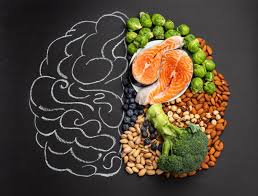
The health benefits of organic products extend beyond physical health to mental and cognitive well-being. Research has shown that exposure to pesticides and other chemicals found in conventionally grown food may have negative effects on mental health, including an increased risk of depression, anxiety, and neurodevelopmental disorders in children.
-
Reduced Chemical Exposure and Mental Clarity: Studies have suggested that reducing exposure to pesticides and other harmful chemicals can have a positive impact on mental health. Organic foods, by virtue of being free from these chemicals, may help improve cognitive function, mood stability, and reduce the risk of mood disorders.
-
Better Long-Term Health: The cumulative effect of consuming organic foods over time may contribute to better long-term cognitive health, potentially lowering the risk of neurodegenerative conditions like Alzheimer's disease. The reduced chemical load in the body allows the brain to function more efficiently and healthily.
-
Conclusion
Organic products, particularly organic food, offer numerous benefits that can enhance human health. They provide superior nutritional value, reduce exposure to harmful chemicals and pesticides, and support overall well-being. By choosing organic products, individuals can make healthier choices that not only benefit their own health but also contribute to a more sustainable and environmentally-friendly food system.
While organic products may sometimes come with a higher price tag, the long-term health benefits they offer make them a worthwhile investment for those seeking to improve their overall quality of life. As more research continues to emerge, the positive effects of organic food on human health are likely to become even clearer, solidifying its role in the future of health and wellness.






Comments 0
Sign in to join the conversation.
No comments yet. Be the first to say something.