


Fiber is often a key component in discussions about healthy eating, but its full benefits are sometimes overlooked. The role of fiber in the diet goes beyond just promoting good digestion—it is essential for maintaining gut health and supporting a range of other health benefits, including weight management and the prevention of chronic diseases. In this article, we’ll explore the many ways fiber contributes to your overall health, and why it should be a key part of your daily diet.

What is Fiber?
Fiber is a type of carbohydrate that the body cannot digest. It passes through the digestive system largely intact, playing several important roles along the way. There are two types of fiber—soluble and insoluble—and both have unique functions that benefit the body.
-
Soluble Fiber dissolves in water to form a gel-like substance. It helps lower blood cholesterol and stabilize blood sugar levels. Foods high in soluble fiber include oats, beans, lentils, and fruits like apples and citrus.
-
Insoluble Fiber does not dissolve in water but adds bulk to stool and aids in the passage of food and waste through the digestive system. It helps prevent constipation and supports regular bowel movements. Whole grains, nuts, seeds, and vegetables are rich in insoluble fiber.
How Fiber Supports Gut Health
One of the primary functions of fiber is to support a healthy digestive system. Here’s how it works:
-
Promotes Regular Bowel Movements: Insoluble fiber adds bulk to stool, helping to move it through the intestines more efficiently. This aids in preventing constipation, a common digestive issue that affects millions of people. Regular bowel movements are essential for removing toxins from the body and ensuring overall digestive health.
-
Supports a Healthy Gut Microbiome: The gut microbiome is home to trillions of bacteria that play a crucial role in digestion, immunity, and even mental health. Fiber serves as food for beneficial gut bacteria, helping to foster a healthy microbiome. A balanced microbiome has been linked to improved digestion, better immunity, and even a lower risk of certain gastrointestinal disorders.
-
Prevents Digestive Disorders: Consuming an adequate amount of fiber may reduce the risk of developing gastrointestinal disorders such as diverticulitis, hemorrhoids, and irritable bowel syndrome (IBS). By maintaining regular bowel movements and promoting a healthy microbiome, fiber helps prevent inflammation in the gut and supports overall gut health.
How Fiber Contributes to Overall Health
Fiber doesn’t just help the gut; it plays a significant role in overall health. Here are some additional benefits of a fiber-rich diet:
-
Weight Management: Fiber helps you feel fuller for longer, which can aid in weight management. Foods rich in fiber tend to be low in calories and high in nutrients, making them a great choice for those looking to control their calorie intake. Fiber slows down digestion and increases feelings of fullness, reducing the likelihood of overeating.
-
Heart Health: Soluble fiber, in particular, helps lower cholesterol levels by binding to cholesterol molecules in the digestive tract and removing them from the body. This process can help reduce the risk of heart disease. High-fiber diets are also linked to lower blood pressure and improved circulation.
-
Blood Sugar Regulation: Fiber, especially soluble fiber, can help stabilize blood sugar levels by slowing the absorption of sugar into the bloodstream. This can be particularly beneficial for individuals with diabetes or those at risk of developing type 2 diabetes. A diet high in fiber has been shown to improve insulin sensitivity and reduce the risk of developing metabolic syndrome.
-
Lower Cancer Risk: A diet high in fiber is linked to a reduced risk of certain types of cancer, especially colorectal cancer. The fiber in fruits, vegetables, and whole grains has been shown to have protective effects by supporting healthy cell turnover, reducing inflammation, and helping to remove potential carcinogens from the digestive system.
How Much Fiber Do You Need?
The recommended daily intake of fiber varies depending on age, sex, and lifestyle, but on average:
- Women should aim for 25 grams of fiber per day.
- Men should aim for 38 grams of fiber per day.
However, most people fall short of these recommendations. The typical American diet averages around 15 grams of fiber per day, far below the recommended amount. To increase fiber intake, aim to consume more fruits, vegetables, whole grains, legumes, nuts, and seeds.
Best Sources of Fiber
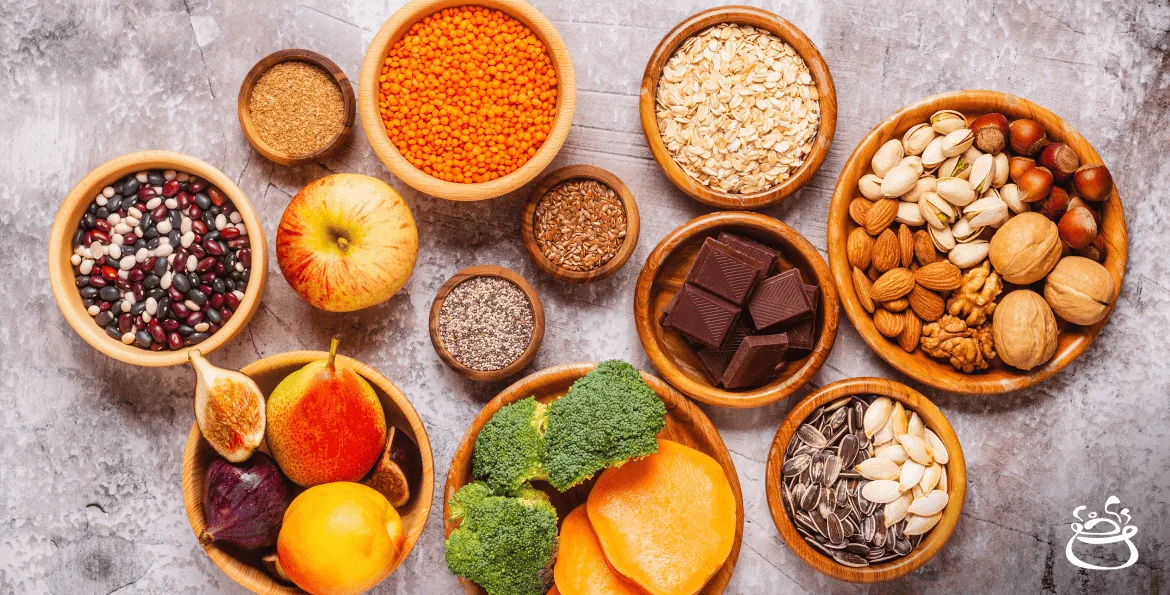
Incorporating fiber-rich foods into your diet is relatively easy if you choose the right foods. Here are some excellent sources of both soluble and insoluble fiber:
- Fruits: Apples, pears, berries, citrus fruits, bananas
- Vegetables: Carrots, sweet potatoes, spinach, broccoli, Brussels sprouts
- Whole Grains: Oats, quinoa, brown rice, barley, whole-wheat bread
- Legumes: Lentils, chickpeas, black beans, kidney beans
- Nuts and Seeds: Almonds, chia seeds, flaxseeds, sunflower seeds
- Tubers: Potatoes (with skin), sweet potatoes
By including these fiber-rich foods in your daily meals, you can easily meet your fiber requirements while also reaping the many health benefits they offer.
Tips for Increasing Fiber Intake
If you're looking to increase fiber in your diet, here are some practical tips:
- Start Your Day with Fiber-Rich Foods: Choose a high-fiber breakfast such as oatmeal or a whole-grain cereal topped with fresh fruit.
- Snack on Fruits and Nuts: Keep high-fiber snacks like apples, pears, or a handful of nuts on hand to boost your fiber intake throughout the day.
- Switch to Whole Grains: Opt for whole-wheat bread, brown rice, quinoa, or whole-grain pasta instead of refined grains.
- Add Legumes to Your Meals: Include beans, lentils, or chickpeas in soups, salads, and stews for a fiber boost.
- Don’t Forget the Skin: Eating the skin of fruits and vegetables, like apples, potatoes, and carrots, adds extra fiber.
Conclusion
Fiber is a vital component of a healthy diet, providing numerous benefits for gut health, heart health, weight management, and disease prevention. By focusing on high-fiber foods like fruits, vegetables, whole grains, and legumes, you can improve your digestion, reduce your risk of chronic diseases, and support your overall health. Prioritizing fiber in your diet is a simple yet effective way to enhance your well-being and keep your body functioning optimally for years to come.







Comments 0
Sign in to join the conversation.
No comments yet. Be the first to say something.