


As we move through 2025, the world is witnessing a powerful shift in healthcare toward more natural, holistic treatment methods. This shift is spearheaded by a growing interest in plant-based medicine, which involves using plant-derived substances for their healing properties. From ancient traditions to modern science, the resurgence of plant-based medicine is reshaping the way we approach health and wellness. This article explores the rise of plant-based medicine, its benefits, challenges, and its integration into mainstream healthcare.

What Is Plant-Based Medicine?
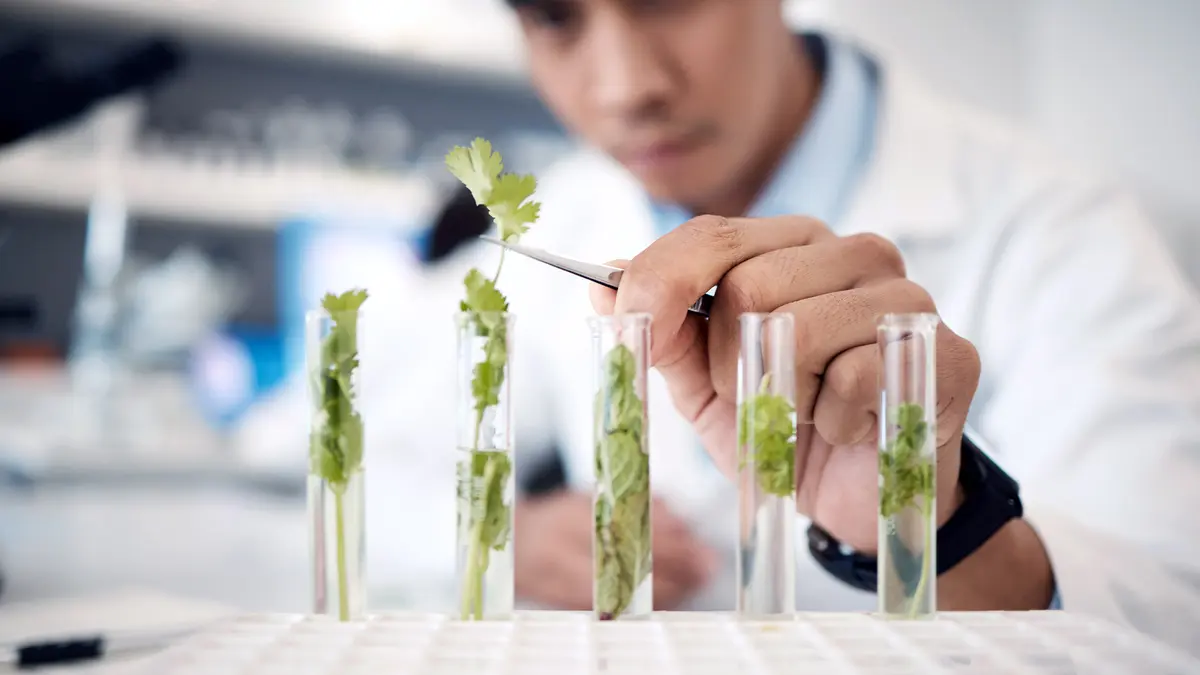
Plant-based medicine, also known as phytomedicine, refers to the use of plants or plant extracts for medicinal purposes. Throughout history, many cultures have relied on plants as natural remedies for various ailments. Today, this practice is regaining popularity as people seek alternative treatments for chronic conditions, pain management, mental health, and general wellness.
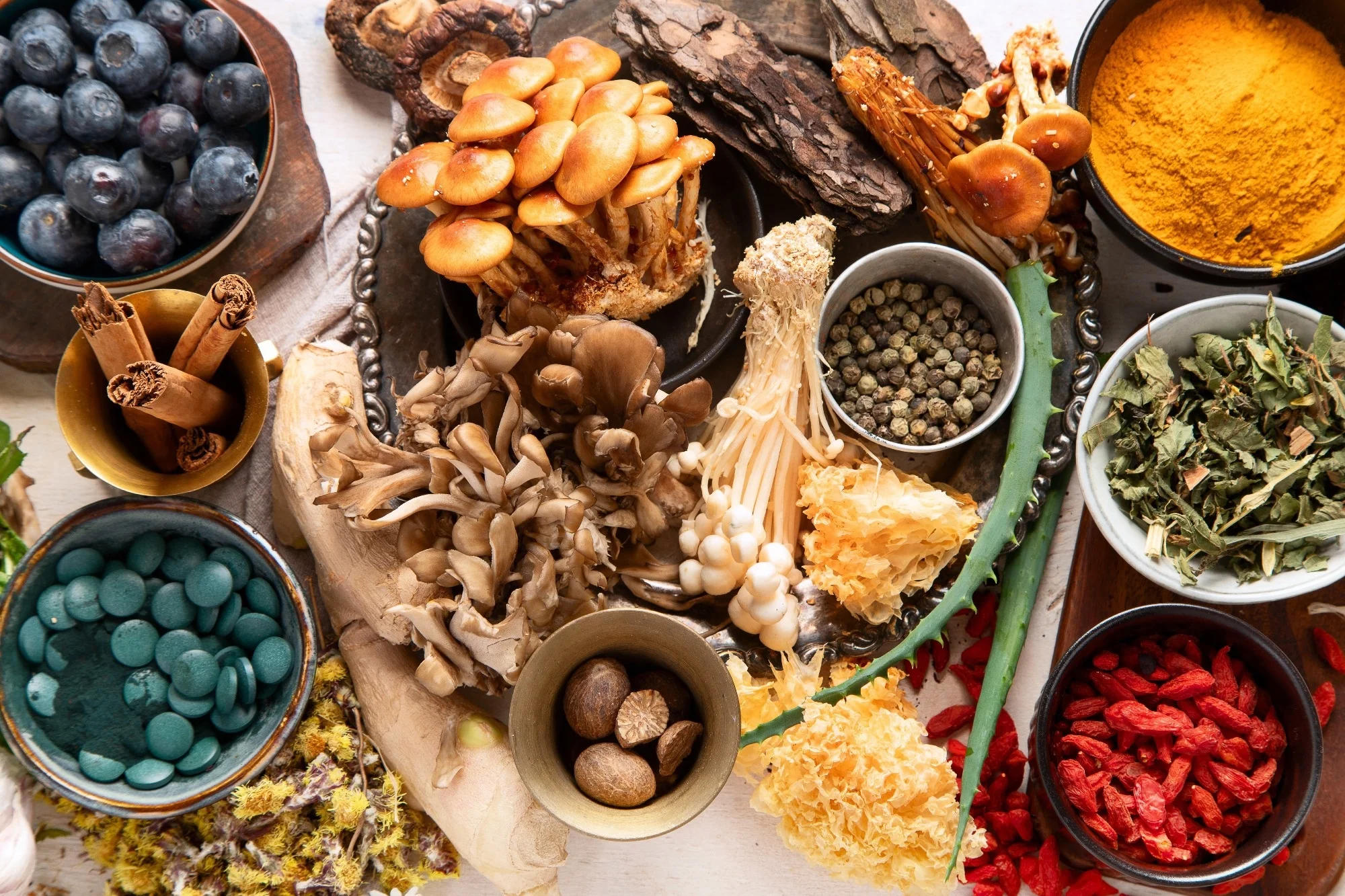
From cannabis and medicinal mushrooms to adaptogenic herbs like ashwagandha, plant-based medicine is experiencing a modern-day revival. In 2025, it is being integrated with advanced technology and scientific research, giving it a place in today’s healthcare system.
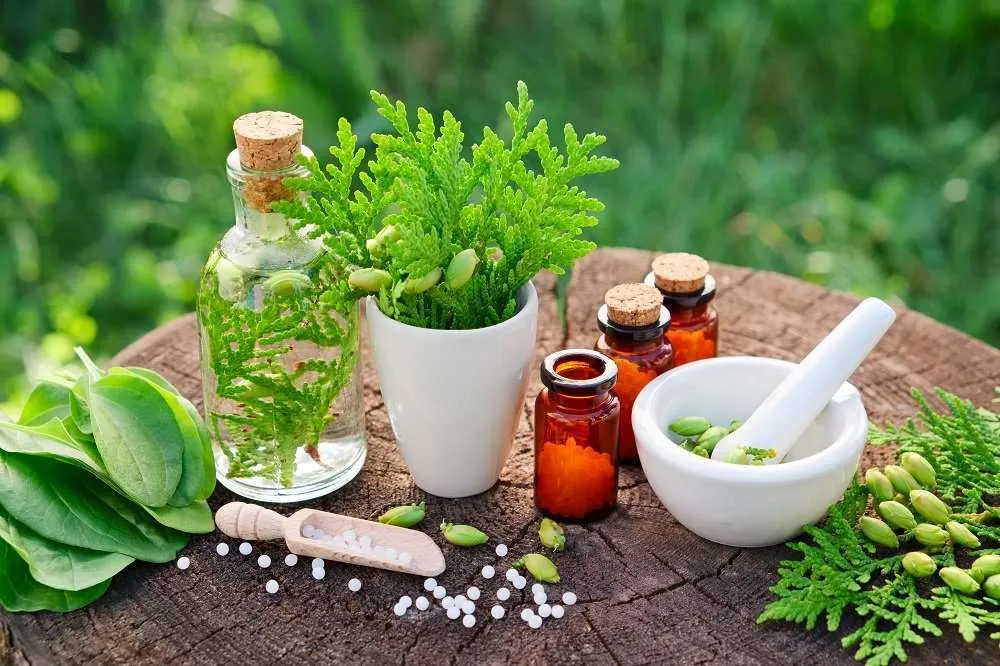
The Role of Science in the Plant-Based Medicine Revolution
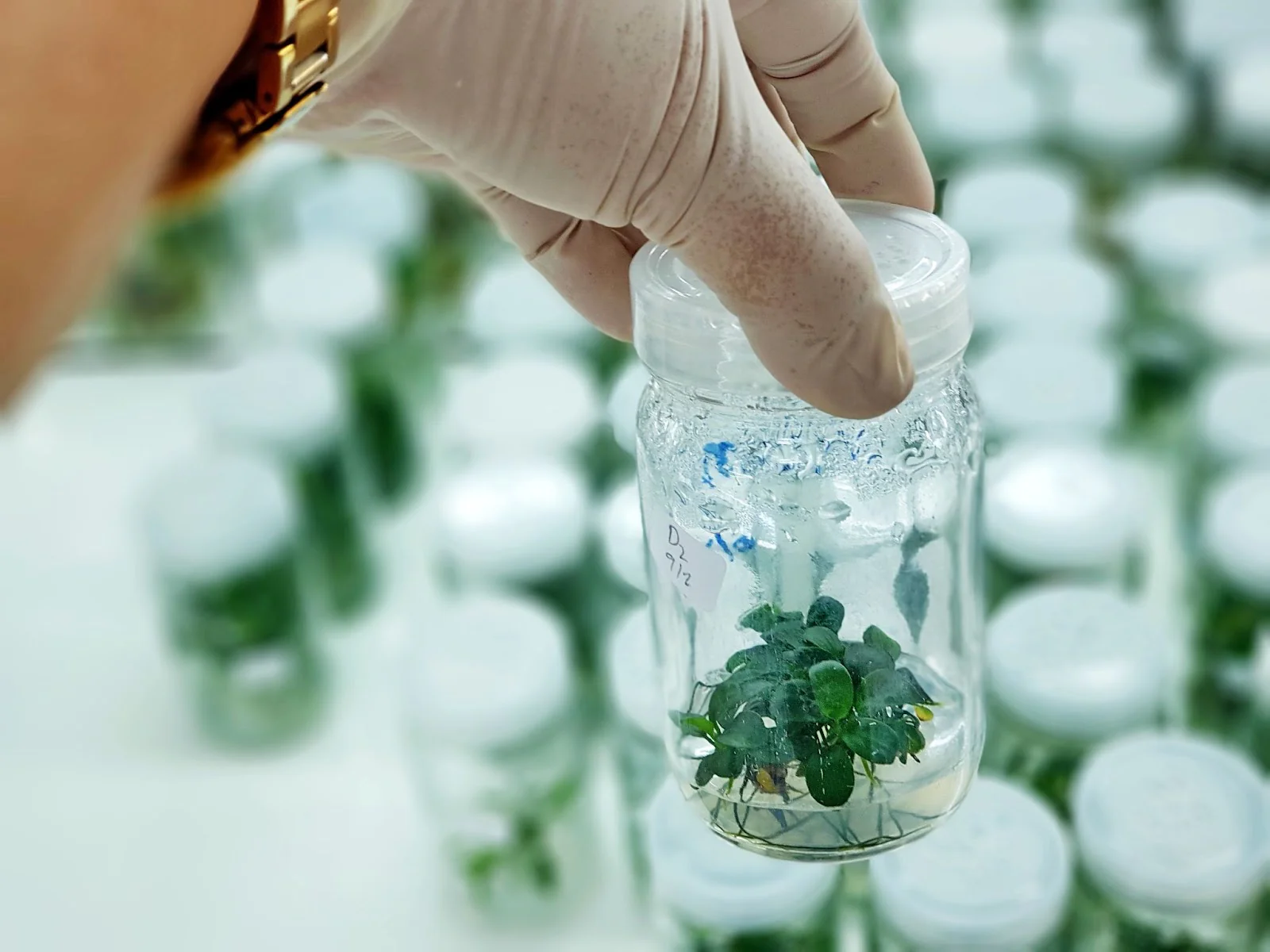
For centuries, plant-based remedies were passed down through traditional knowledge. However, it’s only in the past few decades that science has started to validate these remedies through rigorous research. The exploration of plant compounds such as cannabinoids, psilocybin, and curcumin has revealed their therapeutic potential in treating a wide range of health conditions.
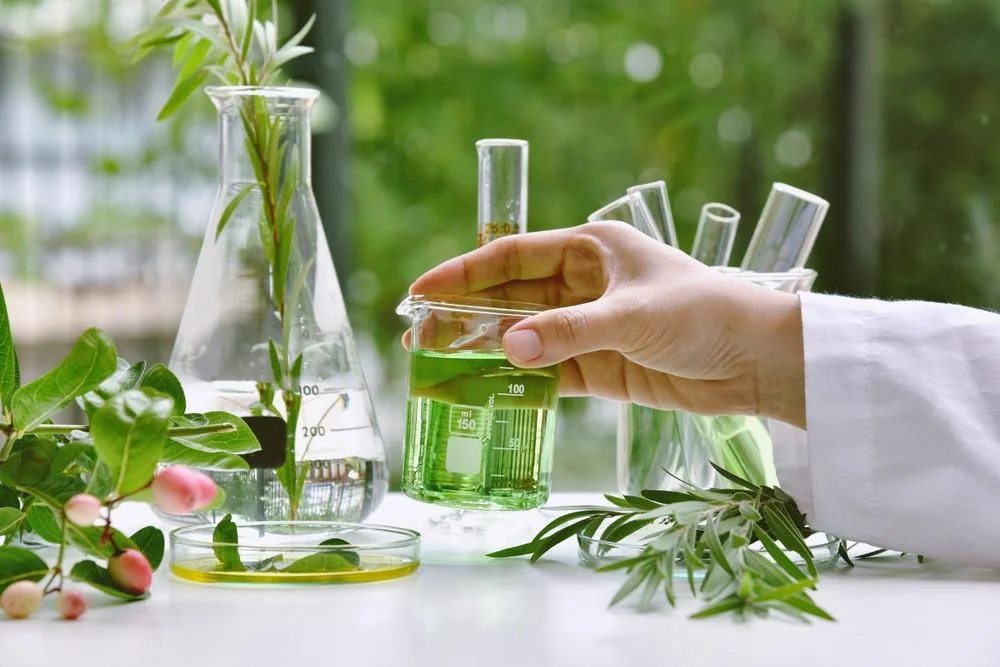
Research institutions and biotech companies are now focusing on plant-based pharmaceuticals, with a particular emphasis on creating plant-derived treatments that are safe, effective, and standardized for use in modern medicine. For instance, cannabis has garnered attention for its potential to treat conditions like chronic pain, anxiety, and even cancer-related symptoms.
The legalization of cannabis in various regions around the world has accelerated the scientific study of its compounds, particularly CBD (cannabidiol) and THC (tetrahydrocannabinol), for therapeutic applications. Similarly, psilocybin mushrooms have become a focal point in mental health research, with several clinical trials demonstrating their potential to treat depression, PTSD, and anxiety.
Key Plant-Based Remedies Gaining Popularity
1. Cannabis (CBD and THC)
Cannabis has emerged as one of the most widely researched and adopted plant-based medicines in recent years. With the legalization of cannabis in many countries, its medical applications are being explored more extensively. CBD, a non-psychoactive compound, has been shown to offer anti-inflammatory, anti-anxiety, and pain-relieving benefits. THC, on the other hand, is used in treating conditions such as chronic pain, nausea, and sleep disorders.
2025 Trend: Cannabis-based products are increasingly being formulated in various forms, such as oils, tinctures, edibles, and topicals, making it accessible for a wide range of health conditions.
2. Medicinal Mushrooms
Medicinal mushrooms, including Reishi, Lion's Mane, and Cordyceps, have long been used in traditional Chinese medicine. Today, these mushrooms are being recognized for their immune-boosting, cognitive-enhancing, and energy-boosting properties. Studies have also suggested that certain mushrooms like psilocybin may have profound effects on mental health, offering new avenues for treating depression and anxiety disorders.
2025 Trend: Functional mushroom supplements are becoming mainstream, and clinical trials are ongoing to explore their potential in treating mental health issues and neurodegenerative diseases like Alzheimer's.
3. Adaptogens
Adaptogens are herbs and plants that help the body adapt to stress and improve resilience. Popular adaptogens like ashwagandha, holy basil, and rhodiola are being increasingly used for their ability to balance the body's stress response, reduce fatigue, and enhance mental clarity.
2025 Trend: Adaptogenic products are finding their way into everyday wellness routines, with adaptogen-infused teas, supplements, and even skincare products becoming popular among health-conscious consumers.
4. Turmeric and Curcumin
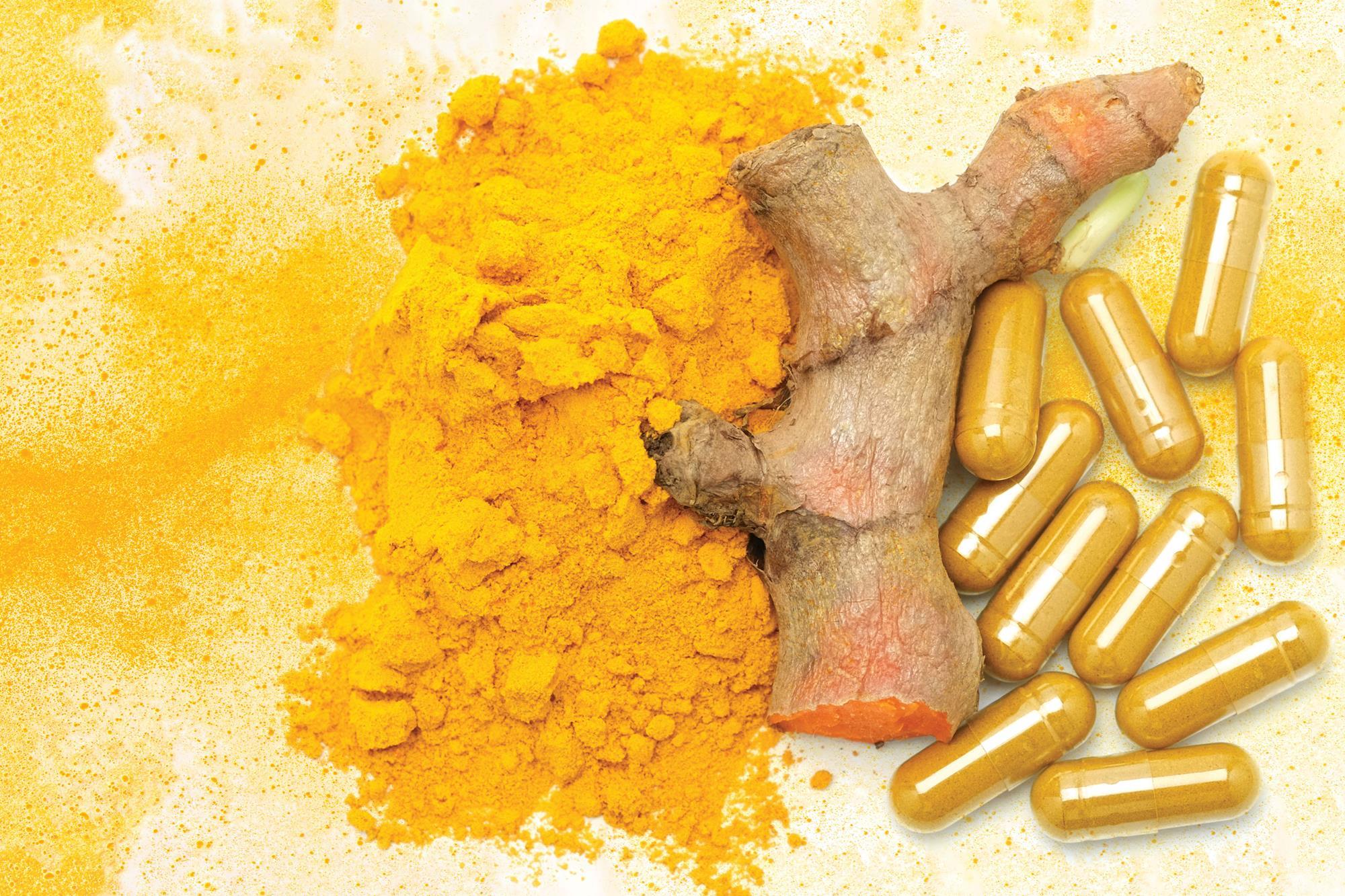
Turmeric, a vibrant yellow spice used extensively in Indian cuisine, contains the active compound curcumin, which has powerful anti-inflammatory and antioxidant properties. Research has shown that curcumin can help manage conditions like arthritis, digestive issues, and even some forms of cancer.
2025 Trend: Curcumin supplements and turmeric-infused products are gaining popularity for their anti-inflammatory and immune-boosting benefits, becoming a common choice for those managing chronic pain or seeking overall wellness.
The Benefits of Plant-Based Medicine
1. Fewer Side Effects
Unlike traditional pharmaceuticals, which can come with a long list of potential side effects, plant-based medicine often provides a gentler alternative. Many plant compounds work in harmony with the body’s natural processes, leading to fewer adverse reactions. This makes plant-based treatments appealing to those who have experienced negative side effects from conventional drugs.
2. Holistic Health Benefits
Plant-based medicine tends to focus on holistic health, addressing the root causes of issues rather than just masking symptoms. For example, adaptogens and medicinal mushrooms work to improve overall well-being by supporting the body’s natural systems, while cannabis and turmeric offer both physical and mental health benefits.

3. Personalized Treatment Options
One of the advantages of plant-based medicine is its versatility. Many plant-based remedies can be tailored to an individual’s unique needs, whether for anxiety, chronic pain, or digestive issues. The wide range of available plant remedies allows for more personalized treatment options that can complement a person’s lifestyle and preferences.

Challenges in the Plant-Based Medicine Industry
While plant-based medicine is experiencing a renaissance, there are still challenges to its widespread adoption. These include:
-
Regulation and Standardization: Since plant-based remedies are often derived from natural sources, there is a lack of regulation and consistency in terms of dosage and effectiveness. Standardization of dosages and formulations is needed to ensure safety and efficacy.
-
Stigma and Misconceptions: Despite the growing body of evidence supporting plant-based treatments, there is still some skepticism and stigma surrounding these natural remedies. Overcoming misconceptions and educating the public about their benefits is crucial for broader acceptance.
-
Lack of Insurance Coverage: In many countries, plant-based treatments are not covered by health insurance, which can make them prohibitively expensive for some patients. Widespread coverage and affordability will be key to making these therapies more accessible.
-
The Future of Plant-Based Medicine
As we move further into 2025, plant-based medicine is set to become an integral part of modern healthcare. With increasing research and evolving attitudes toward natural treatments, plant-based medicine is no longer seen as an alternative, but rather a complementary solution alongside traditional medical treatments.
The integration of plant-based therapies into mainstream healthcare systems, driven by consumer demand and scientific validation, will likely lead to a more balanced, holistic approach to health and wellness. By combining the best of nature and modern medicine, plant-based medicine has the potential to revolutionize how we treat and prevent illness.
Conclusion
The rise of plant-based medicine in 2025 is a testament to the growing desire for natural, sustainable, and holistic health solutions. As more research validates the efficacy of plant-based remedies, these treatments are gaining recognition and acceptance in the mainstream healthcare industry. Whether through cannabis, mushrooms, adaptogens, or turmeric, plant-based medicine is here to stay—and it offers a promising future for health and wellness.
If you're looking for alternative treatments, plant-based remedies could provide the answers you need, all while embracing the power of nature.






Comments 0
Sign in to join the conversation.
No comments yet. Be the first to say something.