

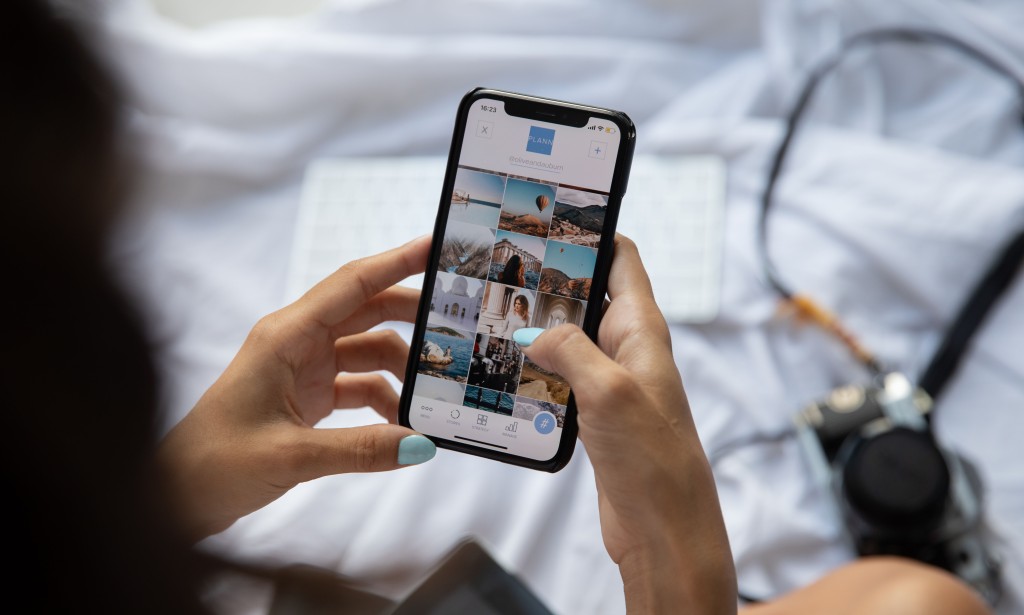
The Pressure of Social Media: Are We Really Happy or Just Pretending?
Introduction
Social media has become a big part of our daily lives. Almost everyone uses platforms like Facebook, Instagram, TikTok, and YouTube. We use them to talk to friends, watch videos, share pictures, and learn new things. Social media can make life more interesting, but sometimes it also creates pressure that we do not talk about openly.
Have you ever looked at someone’s pictures and felt that their life was much better than yours? Maybe they have beautiful clothes, a big house, expensive things, or a perfect relationship. You may start thinking that you are not doing enough in your own life. This feeling is becoming common, especially among young people.
But there is one important question we should ask ourselves: are people really as happy as they appear on social media, or are we only seeing the best parts of their lives?
The Perfect Life We See Online
When we open social media, we usually see people sharing their happiest moments. Someone posts pictures from a family dinner, another person shares photos from a holiday, and someone else shows their new phone or beautiful clothes.
These posts can make life look perfect. However, nobody shares every moment of their day. People rarely post pictures of their worries, financial problems, family arguments, or difficult days.
For example, a person may upload a smiling picture even when they are feeling sad inside. Another person may show an expensive meal without telling anyone how carefully they saved money to afford it.
This does not mean that everyone is pretending. Many people genuinely enjoy sharing happy memories. The problem starts when we believe that these selected moments show the complete reality of someone’s life.
We should remember that a picture can show a moment, but it cannot explain an entire life.
Comparing Our Lives With Others
One of the biggest problems with social media is comparison. We begin comparing our appearance, clothes, homes, relationships, and achievements with other people.
Sometimes, we forget that everyone has different circumstances. One person may have financial support from their family, while another person may be working hard to manage everyday expenses. Their lives cannot be compared fairly.
For example, a young woman may see another woman wearing beautiful dresses and visiting expensive places. She may feel unhappy with her own life, even though she has many things to be grateful for.
The same thing happens with education, careers, and relationships. When we see other people achieving something, we may feel that we are falling behind.
But life is not a competition in which everyone must reach the same destination at the same time. People have different responsibilities, opportunities, and goals.
Instead of comparing our lives with someone else’s pictures, we should focus on our own progress. Even a small step forward is worth appreciating.
How Social Media Affects Our Happiness
Social media can affect our mood in ways we may not immediately notice. We might open an application just to watch a few videos, but suddenly an hour has passed.

During that time, we may have seen hundreds of pictures, opinions, and lifestyles. Some content makes us laugh, while other content can leave us feeling worried or dissatisfied.
Sometimes, people also become concerned about likes, comments, and followers. They may feel happy when a picture receives attention but disappointed when very few people respond.
There is nothing wrong with enjoying appreciation from others. Everyone likes to feel valued. However, our self-worth should not depend on the number of likes we receive.
A person can be kind, intelligent, talented, and hardworking without having thousands of followers. Real value cannot be measured by social media popularity.
Our happiness deserves more than a number on a screen.
The Importance of Real Relationships
Social media helps us stay connected with friends and relatives who live far away. We can send messages, share family pictures, and talk to people whenever we have time.
However, online communication cannot replace every part of a real relationship.
Sometimes, people spend time together while everyone is busy looking at their phones. They may sit in the same room but barely talk to each other.
A simple conversation with a family member, a cup of tea with a friend, or a walk with someone we love can bring comfort that a social media post cannot provide.
Real relationships also allow us to share our problems honestly. We can explain how we feel without worrying about how our words will look to an online audience.
We should enjoy the benefits of technology while making time for the people who are physically present in our lives.
Why We Need to Protect Our Peace
Not every post deserves our attention, and not every trend needs to become part of our lives.
Sometimes, the best thing we can do for ourselves is to take a break from social media. This does not mean that we must delete every application or stop using the internet completely.
We can begin with small changes. For example, we can avoid checking our phones immediately after waking up. We can spend more time on hobbies, exercise, reading, or talking with family.
If certain accounts repeatedly make us feel unhappy or insecure, we can unfollow them or reduce the time we spend watching their content.
We can also remind ourselves that our lives do not need to look attractive to strangers to have meaning.
Peace of mind is important, and protecting it is not selfish.
Using Social Media in a Positive Way
Social media is not always harmful. It can be a useful place to learn new skills, discover creative ideas, find educational information, and connect with supportive communities.
People use it to share recipes, discuss health and lifestyle topics, promote small businesses, and inspire others through their experiences.
The difference often depends on how we use these platforms.
Instead of spending hours comparing ourselves with others, we can follow accounts that teach us something useful. We can learn a new skill, share our creativity, or communicate with people who encourage us.
We should also think carefully before believing everything we see online. Some pictures are edited, some stories leave out important details, and some claims may be misleading.
A balanced approach allows us to enjoy social media without allowing it to control our emotions or decisions.
Learning to Appreciate Our Own Lives
Sometimes, we become so busy looking at other people’s achievements that we forget to notice the good things in our own lives.
Happiness does not always come from expensive gifts, beautiful holidays, or public recognition. It can also be found in ordinary moments, such as enjoying a meal with family, completing a difficult task, learning something new, or helping another person.
Everyone experiences difficult days. Some people struggle with money, others face family responsibilities, and many quietly deal with worries that nobody else can see.
Instead of expecting ourselves to have a perfect life, we can learn to appreciate the life we have while working toward our goals.
We do not need to prove our happiness to the world.

Sometimes, the most meaningful moments are the ones we enjoy without taking a picture or sharing them online.
Conclusion
Social media has changed the way we communicate, share experiences, and understand the world around us. It offers many benefits, but it can also create pressure when we begin comparing our real lives with the carefully selected moments of others.
We should remember that everyone has a different story. A smiling picture does not reveal every struggle, and a person’s online popularity does not determine their real worth.
Instead of chasing perfection, we should focus on our personal growth, meaningful relationships, and peace of mind.
It is perfectly fine to enjoy social media, but we should never forget to enjoy our lives outside the screen.
Your life does not have to look perfect to be beautiful. Sometimes, real happiness begins when we stop comparing and start appreciating what we already have.







Comments 0
Sign in to join the conversation.
No comments yet. Be the first to say something.