


Vitamin C, also known as ascorbic acid,
is a vital nutrient that plays a crucial role in maintaining good health and strengthening the immune system. It is water-soluble, which means it is not stored in the body and must be replenished regularly through diet or supplements. Vitamin C is renowned for its antioxidant properties, but its benefits go far beyond immune support. From promoting skin health to improving iron absorption, this essential vitamin contributes to several key functions in the body.

In this article, we will explore the various health benefits of Vitamin C, how it boosts immunity, and the best ways to ensure you are getting enough of this powerful nutrient.
1. Vitamin C and Immune Support
One of the most well-known benefits of Vitamin C is its ability to strengthen the immune system. Vitamin C is involved in several aspects of immune function, helping the body fend off infections and illnesses.
First, Vitamin C supports the production and function of white blood cells, which are essential for fighting infections. These cells help the body recognize and destroy pathogens, such as bacteria and viruses. Vitamin C also enhances the skin’s defense mechanisms, acting as a barrier against harmful invaders. It strengthens the skin’s outer layer (epidermis), making it more resistant to pathogens.
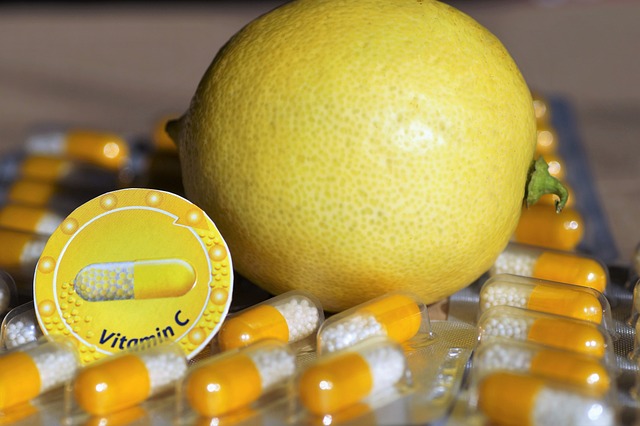
Vitamin C's antioxidant properties are another reason why it is so beneficial for the immune system. Free radicals, which are unstable molecules that can damage cells, tissues, and organs, are neutralized by antioxidants like Vitamin C. By reducing oxidative stress, Vitamin C helps prevent inflammation and boosts the body’s ability to combat illness.
Additionally, Vitamin C helps regenerate other antioxidants in the body, such as Vitamin E, enhancing their protective effects. This powerful duo helps keep the immune system strong and capable of fighting off infections, especially during cold and flu season.
2. Promoting Healthy Skin
Vitamin C plays a vital role in maintaining healthy, youthful-looking skin. One of its key functions is the production of collagen, a protein that provides structure, elasticity, and firmness to the skin. Collagen is essential for wound healing, and it helps prevent the skin from sagging or developing wrinkles as we age.
As we age, our natural collagen production decreases, which can result in wrinkles, fine lines, and other signs of aging. By ensuring an adequate intake of Vitamin C, you support collagen synthesis, which helps keep your skin smooth and elastic.
Moreover, Vitamin C’s antioxidant properties help protect the skin from the damaging effects of UV radiation and environmental pollutants. Exposure to the sun’s UV rays generates free radicals that can cause skin aging and damage. Vitamin C helps neutralize these free radicals, reducing the risk of sunburn, premature aging, and skin cancer.
Vitamin C also aids in the skin’s natural repair process. It helps reduce the appearance of scars, dark spots, and hyperpigmentation by promoting skin cell turnover and inhibiting melanin production.
3. Vitamin C and Iron Absorption
Iron is a crucial mineral that supports the production of red blood cells and helps transport oxygen throughout the body. However, plant-based sources of iron (non-heme iron) are not as easily absorbed as animal-based sources (heme iron). This is where Vitamin C comes in.
When consumed alongside iron-rich foods, Vitamin C enhances the absorption of non-heme iron by converting it into a more easily absorbable form. This is particularly important for vegetarians and vegans who may rely on plant-based iron sources, such as beans, lentils, tofu, and spinach.
By boosting iron absorption, Vitamin C helps prevent iron deficiency anemia, a condition that can lead to fatigue, weakness, and difficulty concentrating. Pairing foods like spinach, beans, and fortified cereals with Vitamin C-rich foods such as oranges, strawberries, or bell peppers can help improve your body’s ability to absorb the iron it needs.
4. Reducing Chronic Disease Risk
Vitamin C’s powerful antioxidant properties help reduce the risk of chronic diseases by neutralizing free radicals and reducing oxidative stress. This can protect against cardiovascular disease, cancer, and neurodegenerative conditions such as Alzheimer's disease.
Several studies have shown that Vitamin C may help lower blood pressure, a key factor in reducing the risk of heart disease. Vitamin C also supports the health of blood vessels by promoting the production of collagen, which strengthens the walls of blood vessels, reducing the risk of cardiovascular issues.

Moreover, research suggests that Vitamin C may play a role in cancer prevention. While it’s not a cure for cancer, some studies have shown that Vitamin C may help inhibit the growth of cancer cells and reduce the risk of certain types of cancer, such as breast and stomach cancer.
The antioxidant effects of Vitamin C also help protect brain cells from damage, potentially reducing the risk of neurodegenerative diseases. Free radical damage in the brain is thought to be a contributing factor to cognitive decline, and by reducing this damage, Vitamin C may help protect against conditions like Alzheimer's and Parkinson's disease.
5. Promoting Healthy Bones and Teeth
Vitamin C is essential for maintaining strong bones and healthy teeth. Collagen, which Vitamin C helps produce, is a key component of bone and dental tissue. It provides the structure and flexibility needed for bones and teeth to stay strong and resilient.
A deficiency in Vitamin C can lead to weakened bones and teeth, as well as a condition known as scurvy, which is characterized by bleeding gums, joint pain, and a weakened immune system. Ensuring an adequate intake of Vitamin C can help maintain bone density, prevent gum disease, and support overall oral health.

6. Vitamin C and Mood Regulation
Vitamin C’s role in supporting mental health and mood regulation has been gaining attention in recent years. Research has shown that Vitamin C can help reduce symptoms of anxiety and depression. This is thought to be due to its ability to reduce oxidative stress and inflammation in the brain, which are often linked to mood disorders.

Additionally, Vitamin C is involved in the production of neurotransmitters, such as serotonin, which regulate mood and emotional well-being. By ensuring your body has enough Vitamin C, you may improve mood stability and reduce feelings of irritability or sadness.
7. Sources of Vitamin C
Vitamin C is abundant in many fruits and vegetables, making it easy to include in your diet. Some of the best sources of Vitamin C include:

Citrus fruits (oranges, lemons, grapefruits)
Berries (strawberries, blueberries, raspberries)
Kiwi
Bell peppers (especially red peppers)
Leafy greens (spinach, kale)
Tomatoes
Broccoli
Papaya
Brussels sprouts
It’s important to note that Vitamin C is sensitive to heat, so cooking or processing fruits and vegetables can reduce their Vitamin C content. To preserve Vitamin C, try to eat fruits and vegetables raw or lightly cooked.
8. Vitamin C Deficiency and Supplementation
A deficiency in Vitamin C can lead to scurvy, a condition that causes symptoms like fatigue, swollen and bleeding gums, joint pain, and poor wound healing. Although scurvy is rare in developed countries, mild deficiencies can still occur, especially in individuals with poor diets or limited access to fresh produce.

If you are not getting enough Vitamin C from your diet, supplementation is an option. Vitamin C supplements come in various forms, including tablets, capsules, powders, and chewables. However, it’s generally recommended to get Vitamin C from food sources, as they provide other essential nutrients that work synergistically with Vitamin C for optimal health.
Conclusion.
Vitamin C is much more than just an immune-boosting vitamin. From promoting healthy skin to reducing the risk of chronic diseases, this powerful nutrient plays a crucial role in overall health and well-being. By including Vitamin C-rich foods in your daily diet, you can support your immune system, improve skin health, boost mood, and protect against various health issues.Incorporating fruits and vegetables such as citrus fruits, bell peppers, berries, and leafy greens can easily help you meet your Vitamin C needs. And, by making Vitamin C a consistent part of your diet, you are investing in your long-term health and vitality.






Comments 0
Sign in to join the conversation.
No comments yet. Be the first to say something.